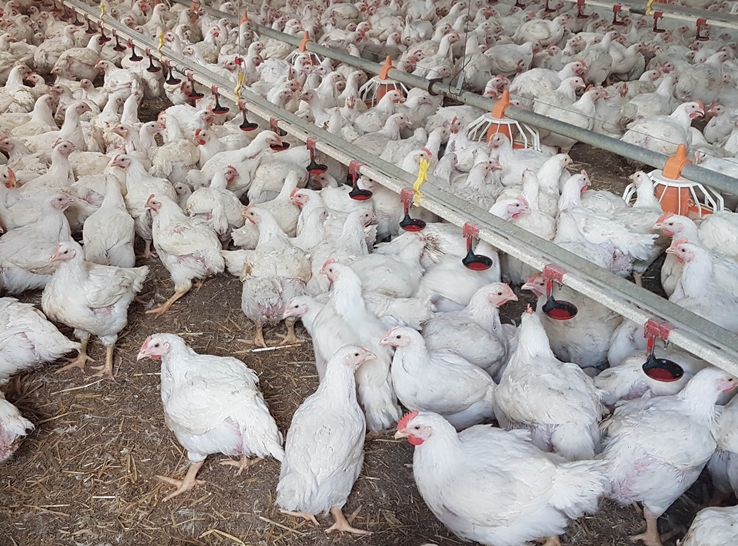


Consumers stymied by poultry-welfare misconceptions
US consumers have misconceptions about how poultry is raised, including a widely held but erroneous belief that there are added hormones or steroids in chicken meat, a national survey suggests.



US consumers have misconceptions about how poultry is raised, including a widely held but erroneous belief that there are added hormones or steroids in chicken meat, a national survey suggests.

A University of Minnesota research team is exploring options for moving uninfected eggs from farms where highly pathogenic avian influenza (HPAI) has been diagnosed and making them available to consumers.
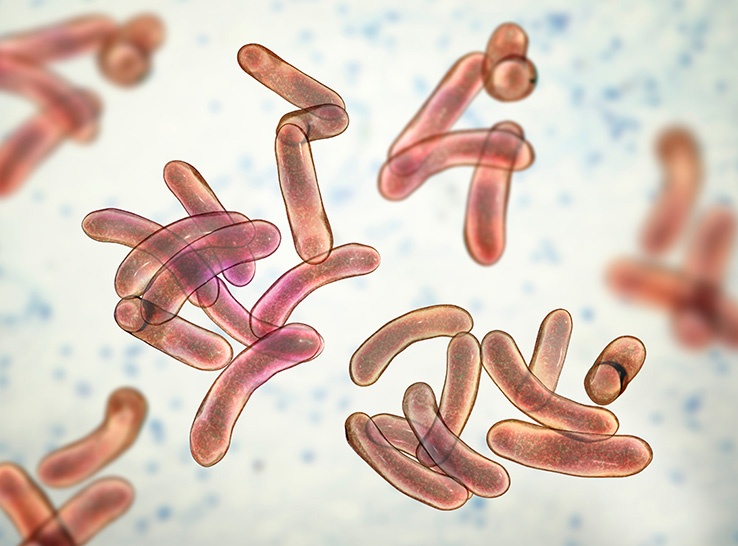
Developing a thorough vaccination strategy for fowl cholera — one that includes selecting the right vaccine strain for the field challenge that the birds are facing and proper vaccine administration — is critical when managing this bacterial disease.
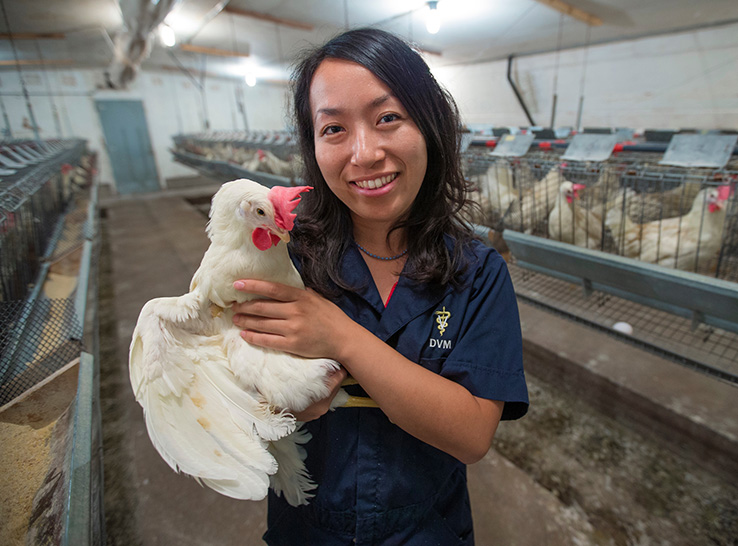
Abrupt rises in mortality from highly pathogenic avian influenza (HPAI) can set off alarms at any poultry farm. Such was the case last year with an outbreak in a layer flock in Iowa.

Even with the best flock-management and vaccination protocols, fowl cholera can occasionally find a crack in the system. Chronic, low-grade cholera problems can materialize, or occasional breaks in breeder flocks can suddenly appear.
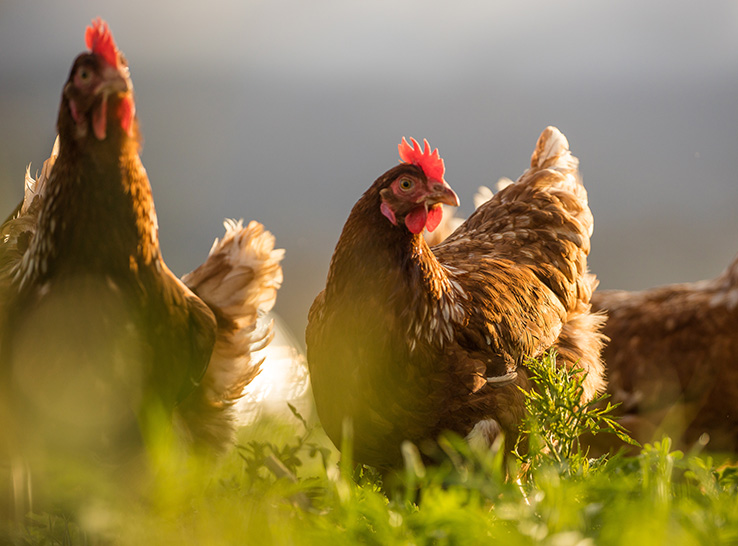
As consumer demand for eggs from free-range chickens grows, a big question lingers: what is the best stocking density for chickens in free-range conditions?

The keynote address of the 2023 Poultry Science Association conference featured Yuval Cinnamon, PhD, an Israeli embryologist leading a team of scientists that developed the first layer flock that produces females only.
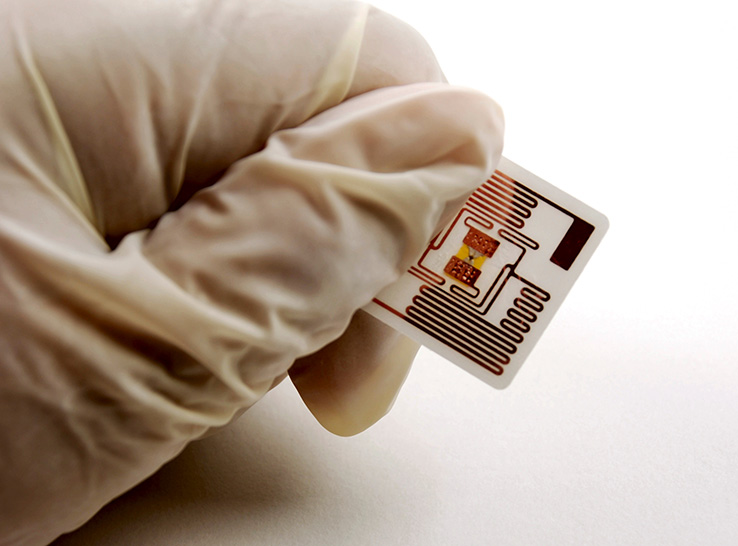
Smart ag technologies offer production and research benefits by providing real-time data on individual birds and at the flock level to optimize production, animal health and well-being, food safety and the environment.
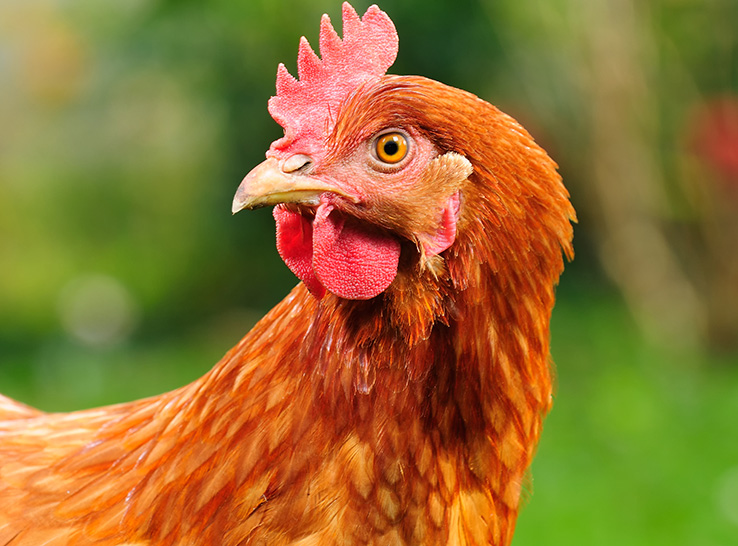
Geneticists have been trying, with little success, to determine and select egg layer strains that will perform well in cage-free production systems because there are numerous unknown factors which influence a hens’ performance.

Chongxiao (Sean) Chen, DVM, PhD, assistant professor/extension specialist with University of Georgia Department of Poultry Science, presented his research on blackhead disease in poultry during the 2023 IPPE.
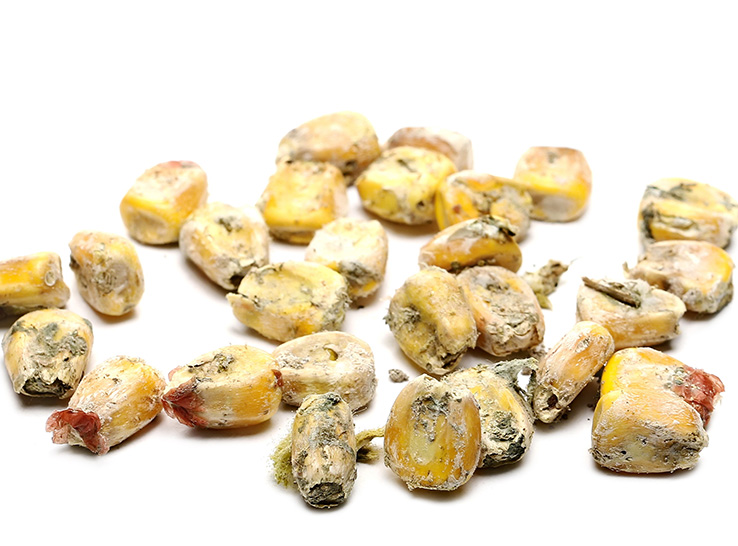
Poultry scientists are taking a close look at moldy corn in an effort to better protect animal and human health.

University of Georgia scientists are honing machine learning approaches to track cage-free layers’ natural behaviors.