


Generator maintenance for reliable backup power on farms
By Zac Williams, PhD
Extension specialist – Poultry Husbandry and Management
and Reese Simpson, graduate assistant
University of Arkansas



By Zac Williams, PhD
Extension specialist – Poultry Husbandry and Management
and Reese Simpson, graduate assistant
University of Arkansas
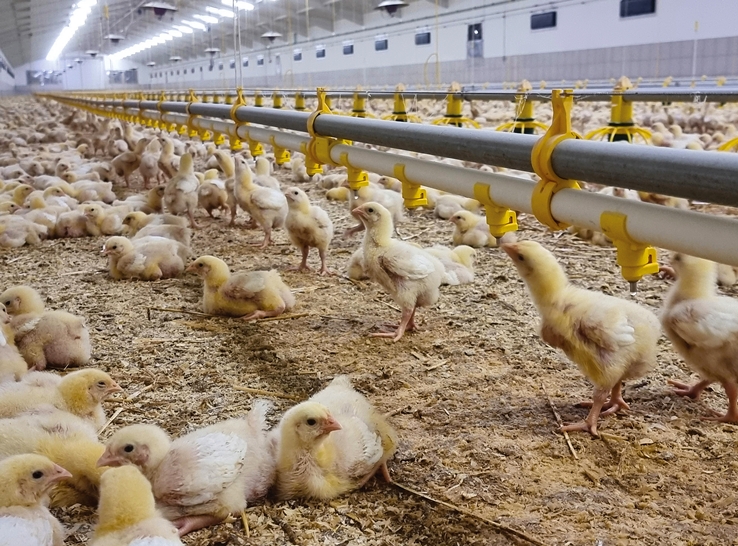
Water is one of the most important resources in broiler production, yet it can be easy to overlook until a problem arises. Birds depend on consistent access to clean, fresh water throughout the flock cycle, and the watering system must deliver the right amount at the right pressure and height.

Increasing performance is the biggest goal in the broiler industry, but how exactly is this accomplished? One possibility is on-farm hatching to reduce biosecurity and sanitation risks associated with transporting newly hatched chicks.
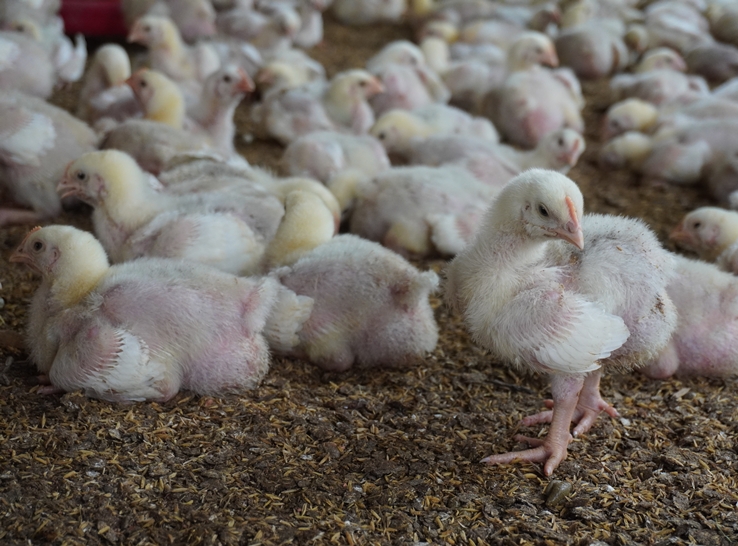
Ammonia and odor emissions from poultry production facilities continue to pose operational, environmental and regulatory challenges. Mohammadamin Ezazi, PhD, Georgia Southern University, and colleagues developed a visible-light-responsive photocatalytic reactor to mitigate ammonia production and odor in broiler housing.
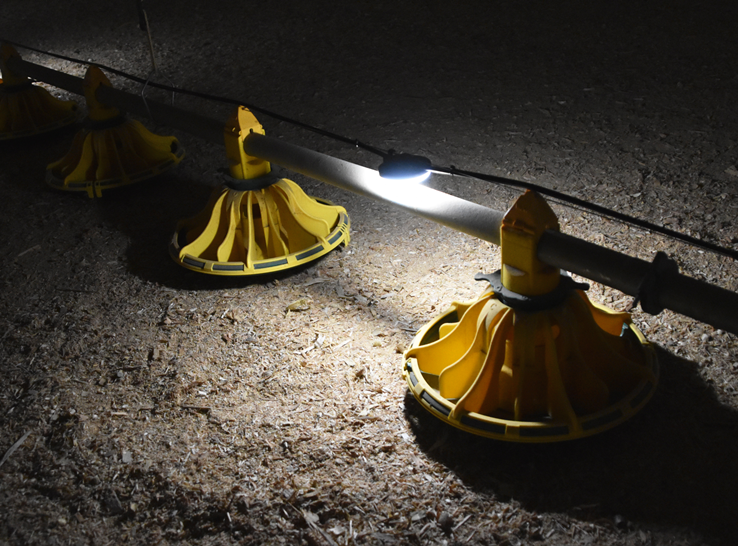
Optient lighting, developed by ONCE® by Signify® and available through VAL-CO, is a lighting system built entirely around how a chicken sees the world. It uses poultry-specific LED lights to accommodate chickens’ heightened photosensitivity.
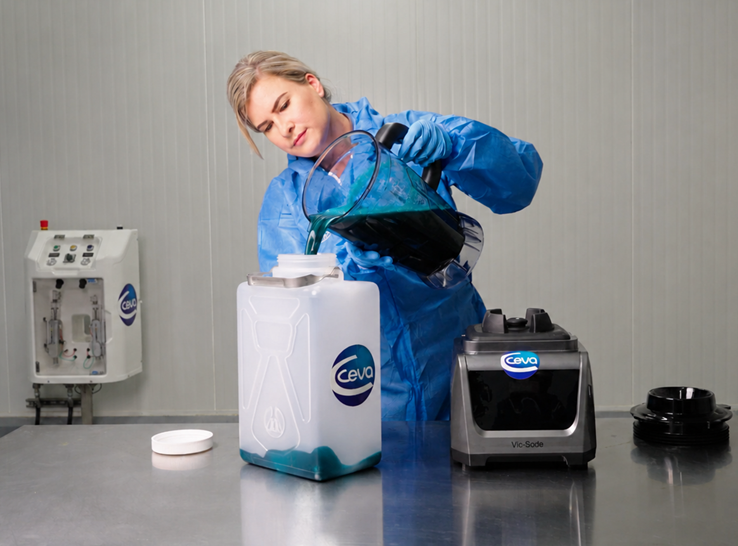
Drawing on more than 70,000 hatchery vaccination audits conducted through Ceva Animal Health’s C.H.I.C.K Program, Alba Pfaff, MS, the company’s senior technical marketing manager, discusses what helps hatcheries maintain high vaccination standards, the details that matter most and how better use of data could support even greater consistency.
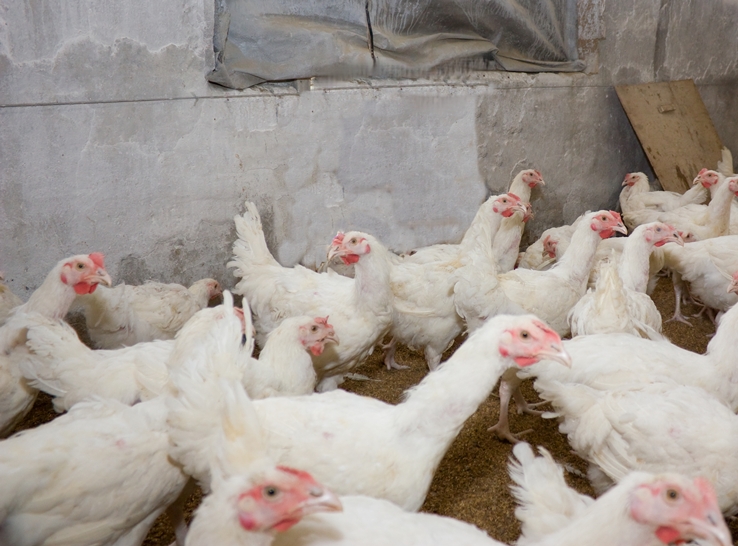
Broilers do not spread evenly across their environment. Some may cluster near a wall, equipment line, or other boundary, while other areas appear relatively unoccupied. Shawna Weimer, PhD, University of Arkansas, explores the behavior of wall hugging and what it means to broiler production.

Today’s cage-free laying systems provide extra vertical space for birds to be physically active, which can lead to variability in feed intake and body composition. If feed was restricted, would chickens change their activity levels, or would a hypothalamic response be triggered to increase feed intake?
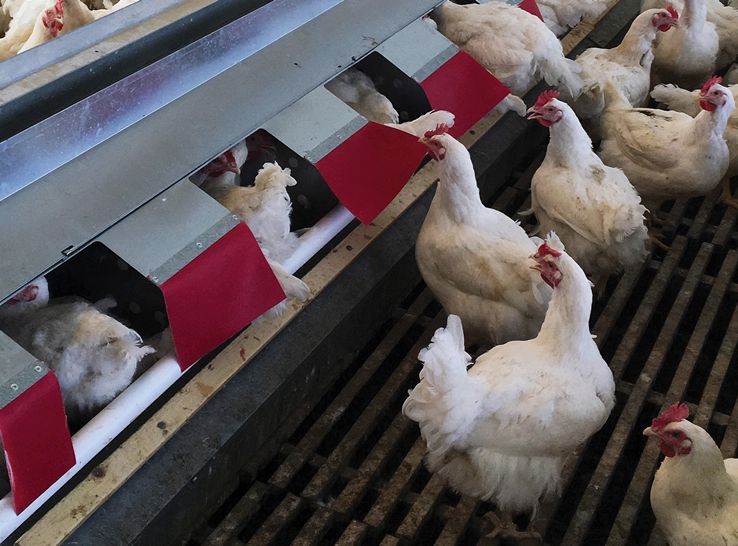
An innovation taking the broiler/breeder industry by storm is Comfort Nest™, a mechanical egg-laying system from VAL-CO that more than doubles the nest size to accommodate high-yield broiler-strain hens.

Can laser enrichment improve broiler health and marketability? Kayla Elmore, a graduate student at Iowa State University, conducted a study to investigate this question, following up on two previous studies that reported increased activity among broilers exposed to lasers.

By Zac Williams, PhD
Extension specialist – Poultry Husbandry and Management
University of Arkansas

Researchers at North Carolina State University evaluated the effects of housing systems and genetic strains on broiler mobility in slow-growing strains vs fast-growing strains in both indoor and outdoor environments.