
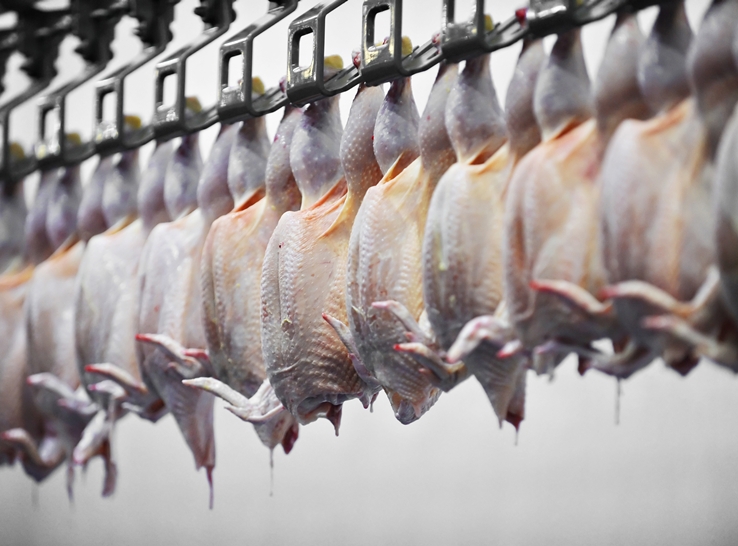
Fulnechek: The rule is gone. Salmonella isn’t.
By Douglas L. Fulnechek, DVM
Public Health Veterinarian
GTS Health



By Douglas L. Fulnechek, DVM
Public Health Veterinarian
GTS Health

Assessing welfare in poultry is complex and should involve not just behavioral observations but also neurochemical measurements, according to Greg Fraley, PhD, associate professor in the Department of Animal Sciences at Purdue University.

By Zac Williams, PhD
Extension specialist – Poultry Husbandry and Management
and Reese Simpson, graduate assistant
University of Arkansas

Increasing performance is the biggest goal in the broiler industry, but how exactly is this accomplished? One possibility is on-farm hatching to reduce biosecurity and sanitation risks associated with transporting newly hatched chicks.

To address the challenges of live-haul turkey handling, Allison Pullin, PhD, and her team at Prestage Department of Poultry Science at North Carolina State University developed a training tool to standardize procedures and best practices.

Could a dietary supplement mitigate the negative impact of common mycotoxins in broilers? Matthew Jones, DVM, PhD, director of nutrition and veterinarian at the Southern Poultry Research Group, decided to find out.
By Michelle Kromm, DVM, MPH, MAM, DACPV,
Food Forward, LLC,
Minneapolis, Minnesota
By Douglas L. Fulnechek, DVM,
Senior Public Health Veterinarian,
GTS Health
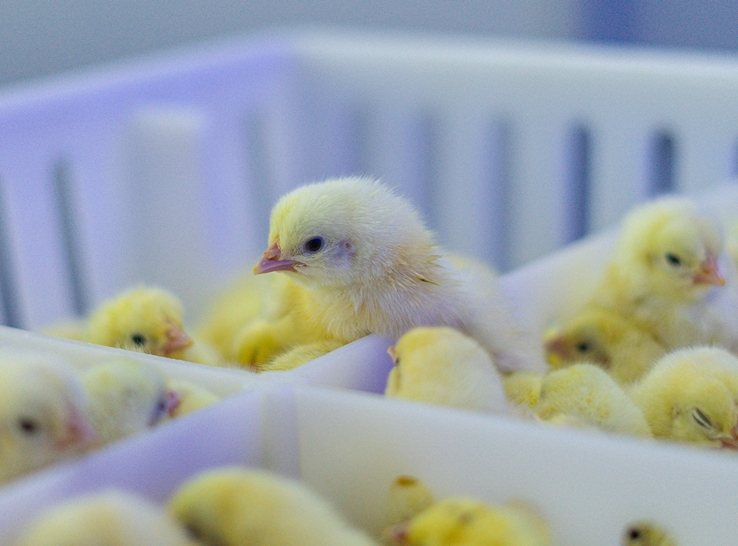
The newly hatched chick’s immune system is immature, but it develops with time. However, the developmental characteristics are incomplete and skew toward innate response versus active response, which challenges the commonly practiced day-of-age vaccination protocol. Rodrigo Gallardo, DVM, PhD, DACPV, University of California, Davis, discusses the pros and cons of vaccinating chicks later.
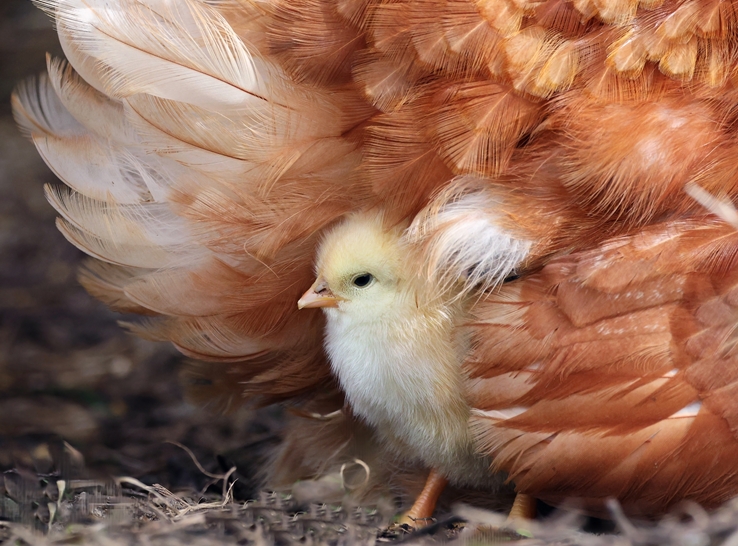
Modern commercial chicks hatch into a very different world than they would under natural conditions. According to Ivan Rychlik, DVM, researcher at the Czech Republic’s Veterinary Research Institute, that difference has major consequences for gut health, disease resistance and antibiotic use.
By David L. Wicker, PhD, industry consultant, Gainesville, Georgia and
W.A. Dozier, III, PhD, Department of Poultry Science, Auburn University and Alabama Cooperative Extension System
By Ken Opengart, DVM, PhD, DACPV
3 Birds Consulting
Signal Mountain, Tennessee