

Category: Feed

Impact of dietary amino acid levels on body fat, laying-hen performance

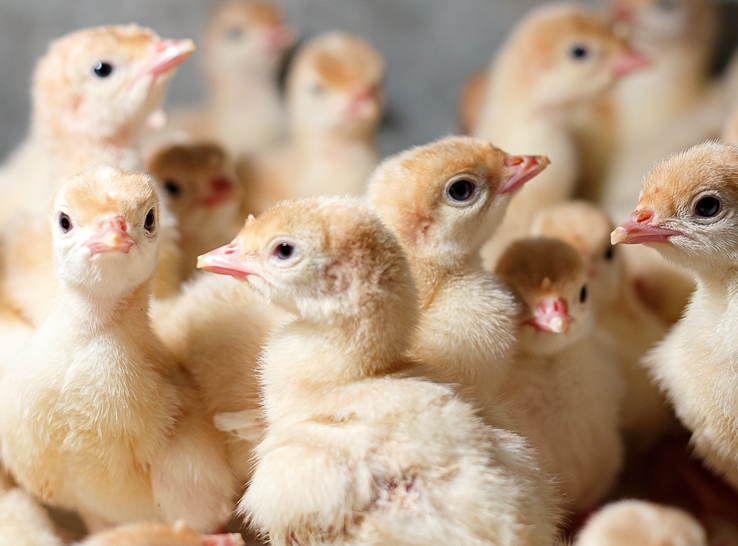
Amino acid requirements for laying hens are not well understood, primarily because data are lacking for the pullet stage. This gap is increasingly important as the table-egg industry wants to extend the hen’s life cycle to 100 weeks or more. Jo Ann Chew, graduate research assistant, University of Alberta, investigated how amino acid levels during rearing might impact body fat and the onset of lay.

Whole plant part phytogenics for inflammation balance

Gut inflammation is common throughout poultry production, but its effects are not always visible. Birds deal with stress every day through changes in environment, feed adjustments, handling and exposure to coccidiosis and other intestinal diseases. All of these changes trigger the immune system to send a response to manage the inflammation.

Feed efficiency in broilers: why immune function matters

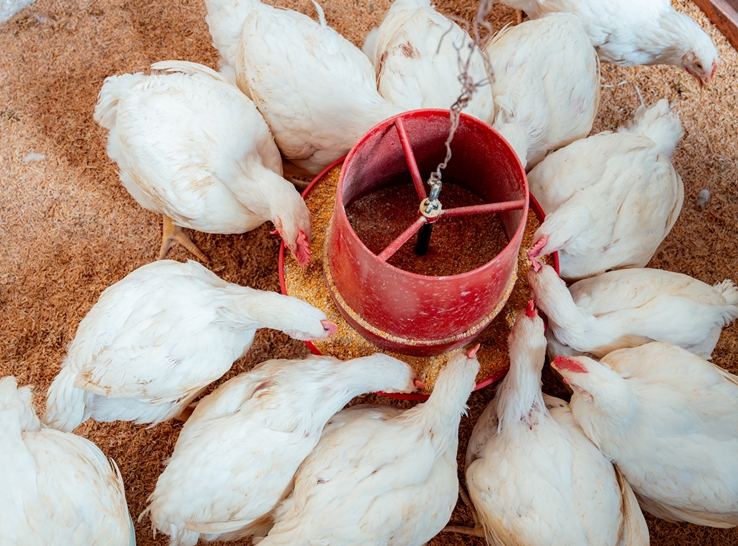
Feed efficiency is one of the most important factors influencing profitability in broiler production. Mickie Metz, PhD, Fortiva, explains how production managers and nutritionists balance nutrition, genetics and housing conditions to help birds convert feed into growth as efficiently as possible. According to Metz, there’s one other variable often overlooked: the bird’s immune system.

Examining feeding restrictions through a welfare lens

Breeding for increased appetites and fast growth has resulted in meatier birds. But these heavier birds experience health complications and decreased reproduction. Feed restrictions are used to maintain the lower bodyweight required for broiler breeders. University of Arkansas graduate student Allison Weaver is researching how feed restrictions affect bird welfare.

Creative feed additives help broilers weather heat stress

Heat stress affects poultry farms everywhere — even in Canada, where poultry producers battle hot, humid conditions in the summer. Deborah Adewole, PhD, associate professor, University of Saskatchewan, has focused her recent work on nutritional strategies to reduce heat stress and discussed her research in a webinar hosted by Canadian Poultry.

Addressing mycotoxins in poultry feed requires a broad approach

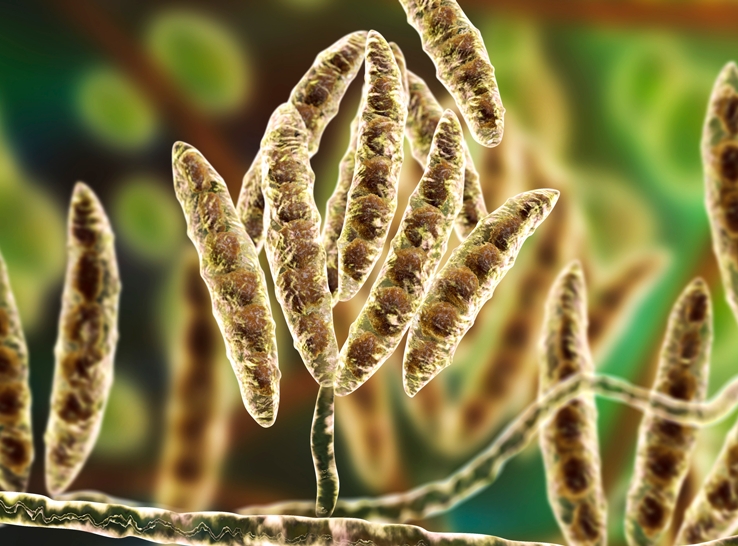
In a Poultry Science Association webinar, Todd Applegate, PhD, assistant dean for international programs and department head of poultry science at the University of Georgia, shared his findings of a literature review on mycotoxins and discussed future research needs.