



Bone and leg health issues are among the top five common concerns for broilers, noted Gigi Lin, DVM, DACPV, adding that “Lameness can indicate not only a potential disease issue but is a welfare and economic concern.”
Lin, an independent veterinary consultant, was featured in the 2025 Canadian Poultry’s Broiler School Series webinar presentation, “Understanding and Managing Lameness in Broilers,” during which she emphasized that early recognition, correct diagnosis and treatment lead to better outcomes.
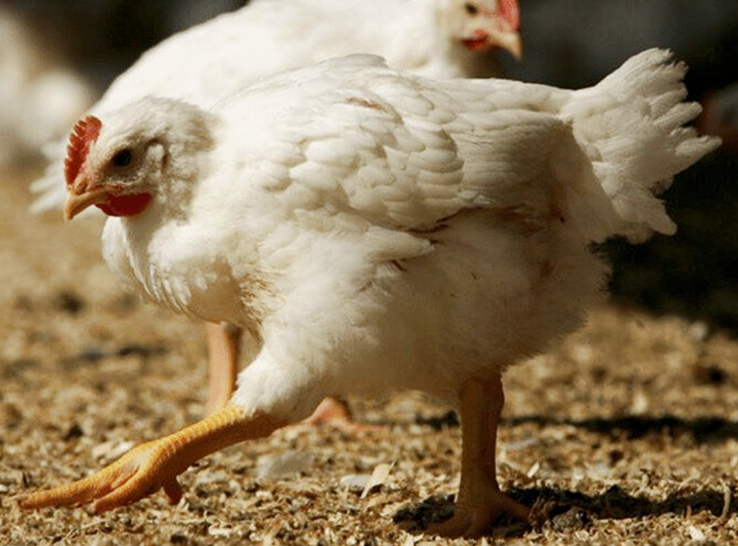
Lower weight gains, poor uniformity and higher cull rates are all associated with lameness, she said. The clinical signs of lameness include:
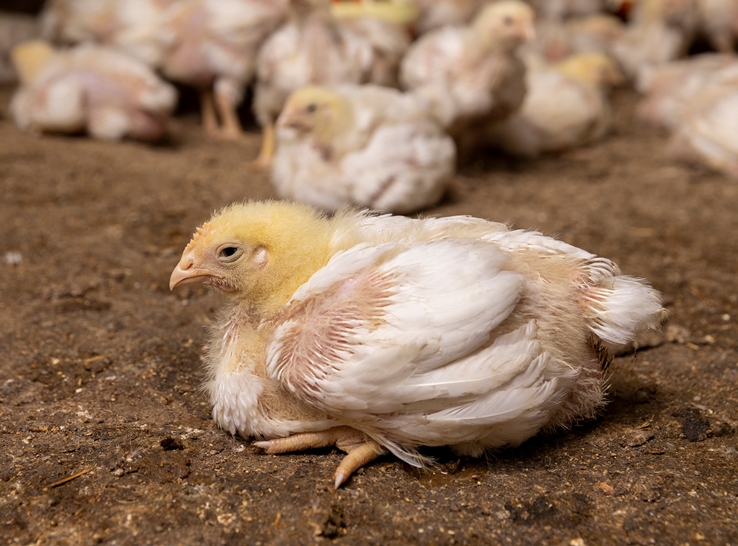
- Sitting too much
- Reluctance to walk
- Moving slowly
- Asymmetric gait
- Splayed legs
- Wing-walking
“Birds experiencing leg or bone health issues often exhibit excess wing flapping because they are using their wings for balance,” Lin explained. Consequently, the wing tips can become bruised, begin to bleed or even fracture. In addition, bruising on the sternum and hocks, swollen hocks and dislocations are seen with lameness.
“Take time to examine dead birds,” Lin advised, because they can point to a potential cause. “Lameness is complex; it can be bacterial, viral, nutritional, developmental, trauma-related or multifactorial.” She presented two case studies that emphasized this point.
Case study #1
In the first case, 25-day-old broilers had splayed legs, were wing-walking, exhibited poor uniformity and had decreased water consumption. Upon necropsy, Lin found wing bruising, swelling, bruising below the hock, and a thickened tendon and fluid within the hock joint.
She concluded the birds were affected by a viral infection called reoviral tenosynovitis, which causes lameness that becomes evident at 3 to 4 weeks of age. The infection can lead to poor uniformity, immunosuppression and heart muscle damage. “However, not all reoviruses produce symptoms, and different strains may cause gastrointestinal or neurological signs,” she noted.
Lin noted that both vertical and horizontal transmission, primarily fecal to oral, are possible. But this virus is also spread via fomite contamination. Intervention strategies include disinfecting the barn, culling lame birds and autogenous vaccination.
“Antibiotic treatment is not typically successful here unless there are secondary infections. However, older symptomatic birds may benefit from supplemental feed to get them to slaughter,” Lin said.
Case study #2
The second case she presented involved 9-day-old broilers that would huddle together, had trouble balancing (as noted by outstretched wings) and had a high cull rate, with 2.5% to 3% being culled over 2 days. Lin pointed out that this barn had past reovirus infections.
Upon necropsy, chicks had soft, rubbery beaks, necks and leg bones, as well as elongated leg growth plates, which led Lin to believe the problem was nutritional.
“The calcium, phosphorus and vitamin D3 must be in the correct concentration and ratio for proper bone formation and growth. But it isn’t always a feed problem. Absorption issues, husbandry or management could be at fault,” Lin cautioned.
The first step was replacing the feed to potentially stop further loss, while other possible causes were ruled out. Feed analysis revealed insufficient calcium levels, resulting in the rubbery bones and confirming a diagnosis of rickets.
“Producers should collect, label and store samples from each batch of feed, enabling testing should the need arise,” Lin said.
Importance of accurate diagnosis
These cases highlighted the need to investigate lameness issues. In the second case, Lin noted it would have been easy for the producer to assume reovirus was again to blame for the current cases of lameness. “If assumptions were made, the diagnosis would have been incorrect and more birds would have been culled.”
To further complicate pinpointing the cause of lameness issues, symptoms can present similarly but have different origins. “Kinky back is a bacterial infection in the spinal cord, while spondylolisthesis is a developmental malformation of vertebrae. Both can cause paralysis that outwardly appears identical.”
If producers are seeking support from veterinarians, Lin pointed out the need for background information and a complete history.
Important information to provide the veterinarian includes:
- Number of birds affected
- Ages
- Description of onset of clinical symptoms and symptom progression
- Notes on lameness distribution within barn
- Percentage of birds affected, including cull and mortality rates
- Condemnation reports
She also stated that photographs and videos of affected birds can be especially helpful. However, she cautioned that accurate diagnoses require live or well-preserved specimens that exhibit clinical symptoms.
“The many bacterial species present in chicken houses that could cause joint and bone infections, such as Staphylococcus, Enterococcus and Escherichia coli, make getting to the root of the problem difficult,” Lin explained. “A stressor is often needed for bacteria to present a problem.”
Preventing bacterial lameness
“To prevent bacterial bone infections, we need to know how the bacteria are entering the body and getting into the bloodstream, causing lameness,” Lin said.
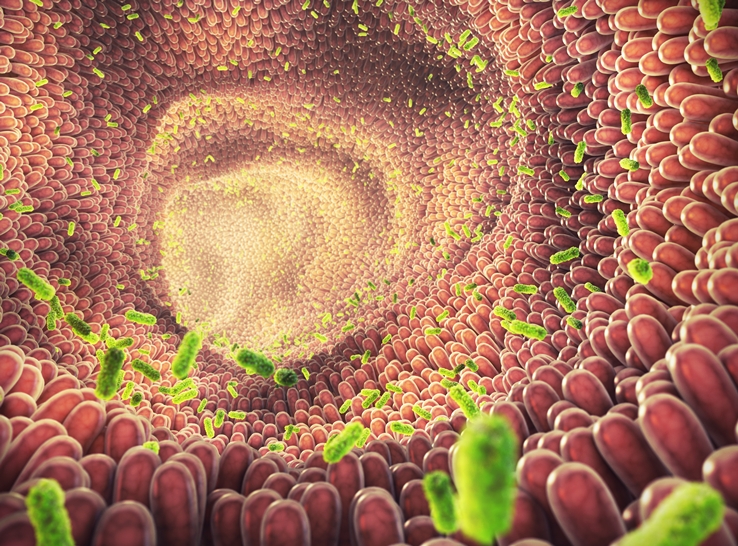
She explained that three areas are particularly important: the gut, skin and respiratory tract. The gut, with abundant good and bad bacteria and a large surface area, is a primary highway for bacteria, she noted. “Any damage to the gut lining puts birds at risk.”
“A less-than-optimal start can impact birds later in life,” Lin cautioned. Factors that impact gut health are especially important and include:
- Yolk sac quality and absorption, incubation and hatching conditions
- Nutrition — feed formulation, quality of ingredients, digestibility, availability, feed additives and diet changes
- Pathogens present in the environment
- Management — wet litter, house temperature, ventilation and biosecurity
Bacteria also commonly enter the body through any injury to the skin. These skin injuries can occur when birds are overcrowded, pile up, have poor feathering or are mishandled.
The last entry point Lin mentioned was the respiratory tract. Like the gut, the respiratory system in birds is a large area that can allow bacteria direct access into the blood and bones.
Bacterial infections: to treat or not
“I never have a perfect answer when I am asked whether to treat bacterial infections or not,” Lin said. However, she shared her decision-making process.
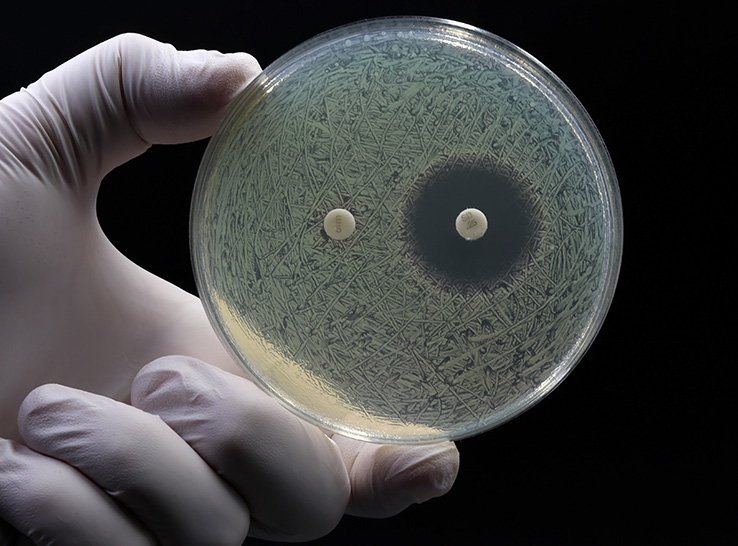
When bone health issues arise, Lin first takes cultures to isolate and identify the specific bacteria involved, then performs sensitivity testing.
“If there are clinical symptoms, oral antibiotic treatment is often too late,” she said. She advises considering several factors. For example, welfare concerns, such as being unable to walk, can lead to an inability to access feed and water. Other considerations include economic constraints and withdrawal times.
She pointed out that euthanizing affected chickens reduces the bacterial load. Focusing on preventing infections can then be the best course of action.
Strategies to prevent infection
“Infections require pathogens, susceptible chicks and the right environmental conditions,” Lin said. Preventing infections revolves around reducing pathogen levels, keeping chicks healthy and fostering environments unfavorable to pathogens.
Cleaning, disinfecting, vector control, maintaining biosecurity and using competitive exclusion practices, such as using probiotics and prebiotics, significantly reduce pathogen levels. Limiting stress, minimizing injury, providing optimal nutrition and ensuring chick quality go a long way to prevent disease. She emphasized the importance of vaccinations and preventing immunosuppressant diseases.
Additionally, Lin commented that ensuring the environmental conditions support chick health and growth while also being unfavorable for bacteria and viruses is an effective approach for disease prevention.
Keys to managing lameness
”Lameness is a common ailment. It is complex, with welfare and economic concerns, but is manageable,” Lin said.
Recognizing the signs of lameness early, looking at all the data from environmental conditions to the condemnation reports and understanding that lameness can be multifactorial will help with treatment and prevention.