



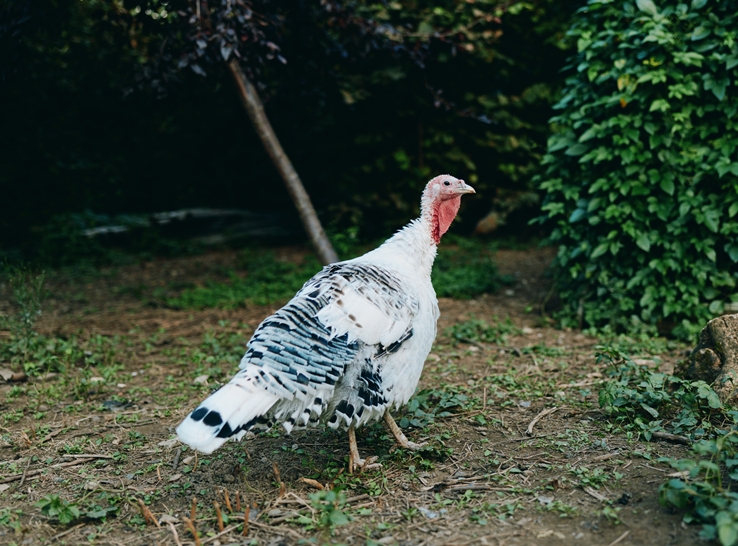
A visit to a backyard turkey operation infected with Histomonas meleagridis led to a research trial testing the ability of dietary pine bark to reduce the incidence of histomoniasis.
A visit to a backyard turkey operation infected with Histomonas meleagridis led to a research trial testing the ability of dietary pine bark to reduce the incidence of histomoniasis.
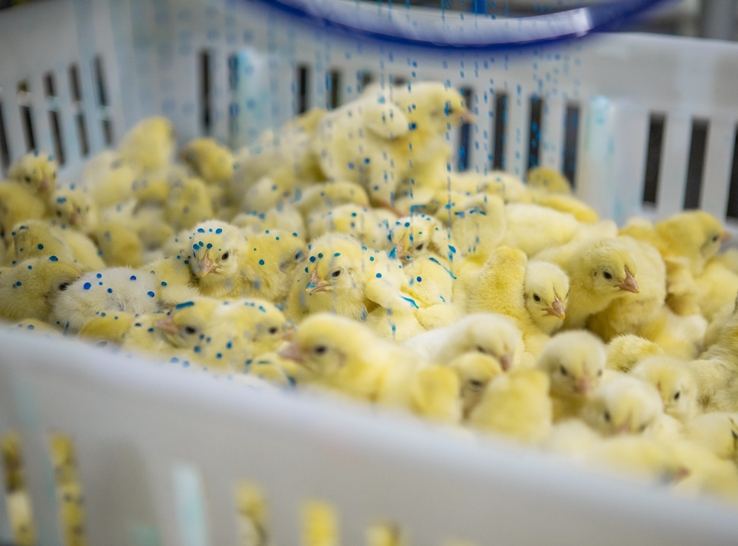
High-quality vaccine application is essential for infectious bronchitis (IB) control, but it’s only one part of the picture. Jose Linares, DVM, diagnostician and technical services veterinarian with Ceva Animal Health, discusses why successful IB control requires more than simply administering vaccine.
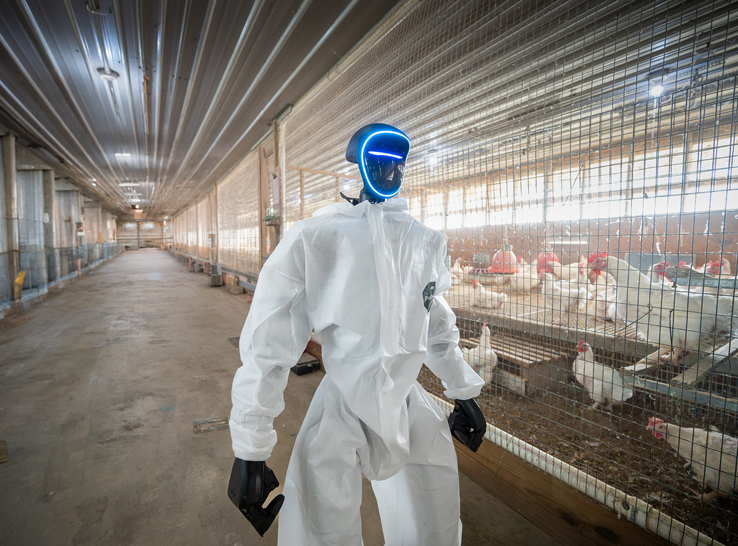
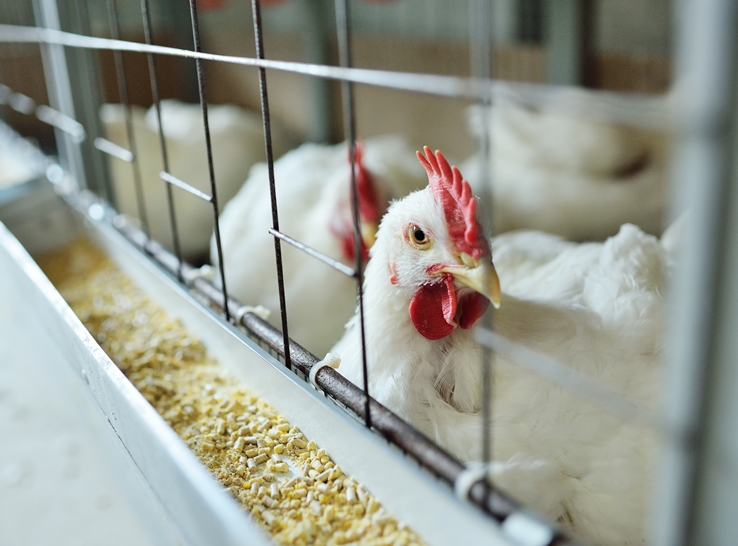
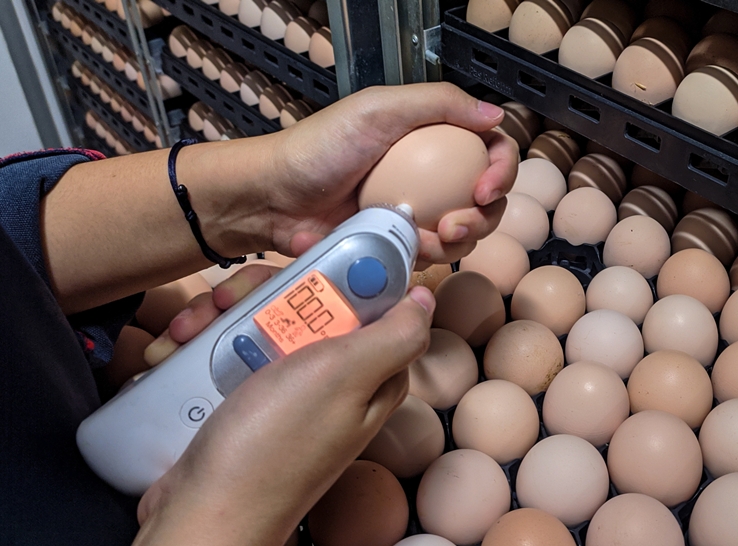

To address the challenges of live-haul turkey handling, Allison Pullin, PhD, and her team at Prestage Department of Poultry Science at North Carolina State University developed a training tool to standardize procedures and best practices.
By Ken Opengart, DVM, PhD, DACPV
3 Birds Consulting
Signal Mountain, Tennessee
High-quality vaccine application is essential for infectious bronchitis (IB) control, but it’s only one part of the picture. Jose Linares, DVM, diagnostician and technical services veterinarian with Ceva Animal Health, discusses why successful IB control requires more than simply administering vaccine.

Could a dietary supplement mitigate the negative impact of common mycotoxins in broilers? Matthew Jones, DVM, PhD, director of nutrition and veterinarian at the Southern Poultry Research Group, decided to find out.
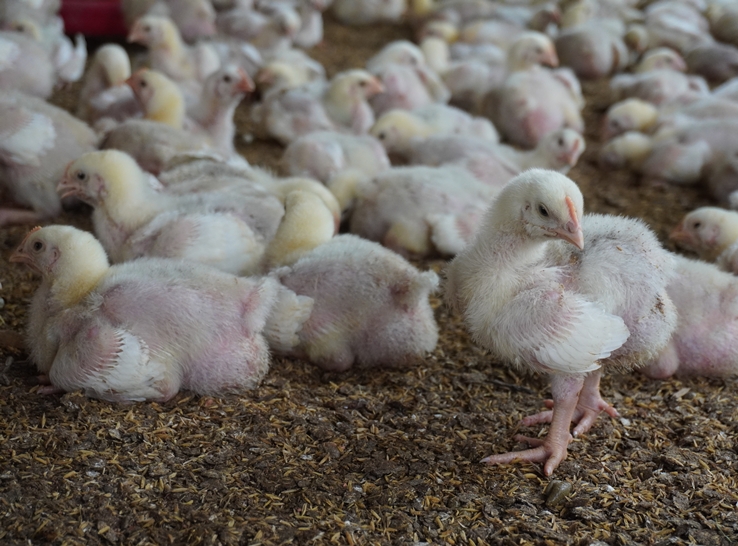
Ammonia and odor emissions from poultry production facilities continue to pose operational, environmental and regulatory challenges. Mohammadamin Ezazi, PhD, Georgia Southern University, and colleagues developed a visible-light-responsive photocatalytic reactor to mitigate ammonia production and odor in broiler housing.
By Michelle Kromm, DVM, MPH, MAM, DACPV,
Food Forward, LLC,
Minneapolis, Minnesota

In an interview, Vasil Stanev, DVM, MBA, global director of technical services poultry nutrition and health at Phibro Animal Health, explains how the company’s divalent anticoccidial feed additive helps producers manage coccidiosis, which reducing the risk of resistance from the Eimeria parasites, which cause the condition.

The poultry industry is increasingly focused on extending the productive lifespan of laying hens beyond 100 weeks to enhance welfare, sustainability and profitability. A major challenge in achieving this goal is the age-related decline in eggshell quality. Supplementation with phytase and dacitic tuff breccia could be the answer, according to a study from North Carolina State University.