



By Deependra Paneru, PhD, University of Georgia
A restricted-fed breeder flock starts taking longer to clear the feeders. Nothing else has changed. Feeder space is the same, the birds look healthy, and the feed looks fine.
That can be what a mycotoxin problem looks like on day one.
Mycotoxins are toxic compounds produced by certain molds, including Aspergillus, Fusarium and Penicillium species.1
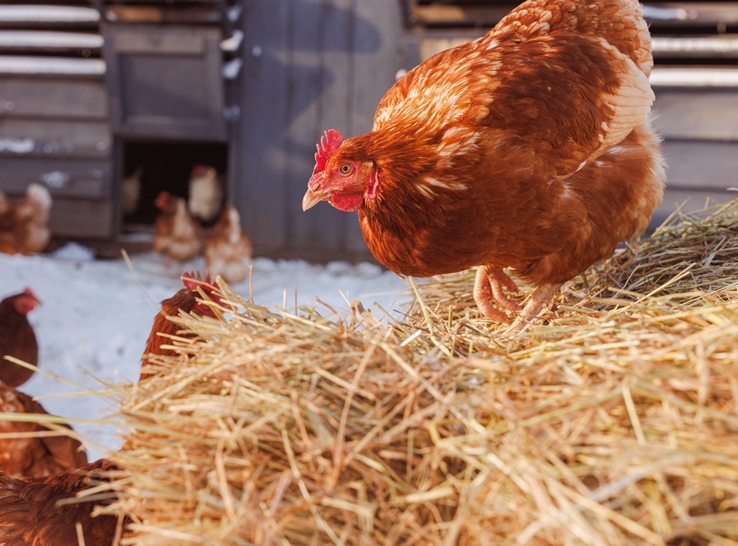
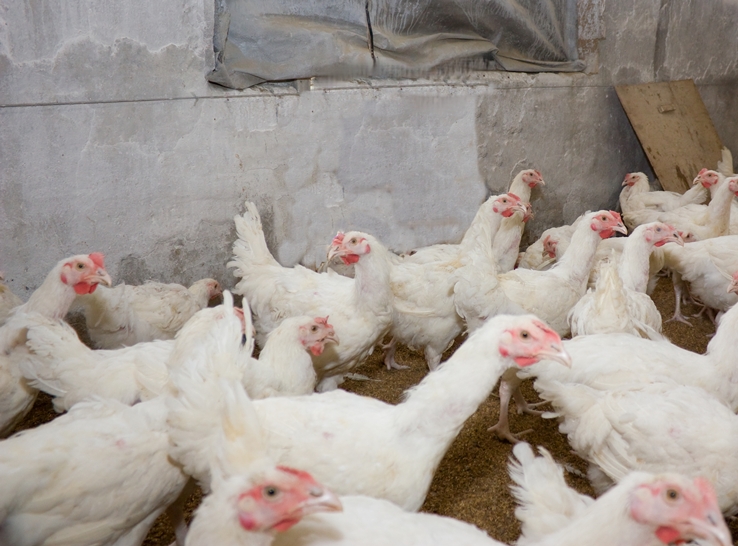
These molds can produce mycotoxins in corn, wheat, soybean meal, and other feed ingredients before harvest or during storage and feed handling. Contaminated feed often looks and smells normal (Figure 1).
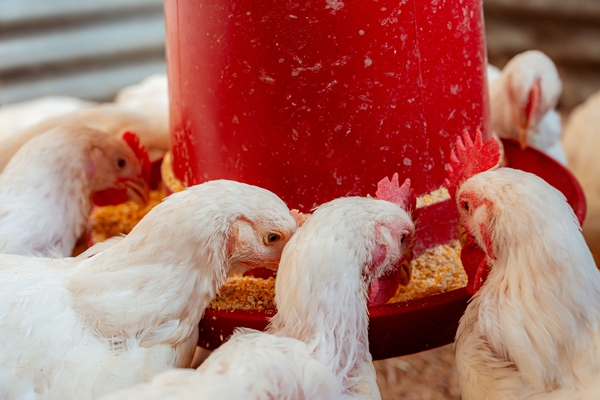
Figure 1. Broilers at a feeder. Contaminated feed often looks and smells normal.
Types of mycotoxins
Poultry can encounter several mycotoxins in contaminated feed. Examples include aflatoxin B1, deoxynivalenol (DON, also called vomitoxin), T-2 toxin, diacetoxyscirpenol (DAS), fumonisins, ochratoxin A, and zearalenone.2 Table 1 summarizes their mold sources and main effects in poultry.
| Mycotoxin | Main mold source and crops | Main effects in poultry |
| Aflatoxin B1 | Aspergillus molds; common in corn and other crops | Liver damage, impaired immunity, and reduced growth and production |
| Deoxynivalenol (DON) | Fusarium molds; cereal grains | Reduced feed intake and growth at high levels; may damage the intestinal lining |
| T-2 toxin | Fusarium molds; cereal grains | Oral lesions, digestive tract damage, and impaired immunity |
| Diacetoxyscirpenol (DAS) | Fusarium molds; cereal grains | Oral and digestive tract lesions, reduced feed intake, and impaired growth |
| Fumonisins | Fusarium molds; mainly corn | Poorer feed conversion and disrupted lipid metabolism; possible liver damage, depending on dose |
| Ochratoxin A | Aspergillus and Penicillium molds; cereal grains and other stored commodities | Kidney damage, impaired performance, and possible immune effects |
| Zearalenone | Fusarium molds; cereal grains | Estrogenic; can cause reproductive and hormonal disturbances |
On farms, birds are often exposed to low levels of mycotoxins over long periods, which can cause gradual declines in performance.2 This chronic exposure is common. In a global survey of more than 74,000 feed and ingredient samples, 88% contained at least one mycotoxin, although in most regions most samples met European Union limits.5 Therefore, when performance declines without an infectious, environmental, management, or nutritional explanation, mycotoxins should be considered.2
What to look for
The signs below are warning signs, not a diagnosis. Other factors, such as limited feeder space, leg problems, lighting, or handling, can cause similar signs. These signs are most useful when several occur together or appear after a feed change. In such cases, take a closer look at the feed. Table 2 at the end of this article summarizes the signs and suggests next steps.
Physical signs that are easy to miss
Mycotoxins can cause physical changes that are easy to overlook during routine walk-throughs. Mouth lesions may be hidden inside the beak, some neurological signs may appear only when birds are handled, and bone changes may not be visible externally. Because field exposure is often low and prolonged, these changes can develop gradually and go unnoticed.2
Oral lesions
Birds exposed to trichothecene mycotoxins may develop painful plaques, erosions, and ulcers in the mouth (Figure 2). These lesions can make eating painful before any drop in feed intake shows up in feed records. Because the lesions sit inside the beak, they stay hidden unless someone opens the mouth. Checking the mouth is one of the quickest field assessments available.
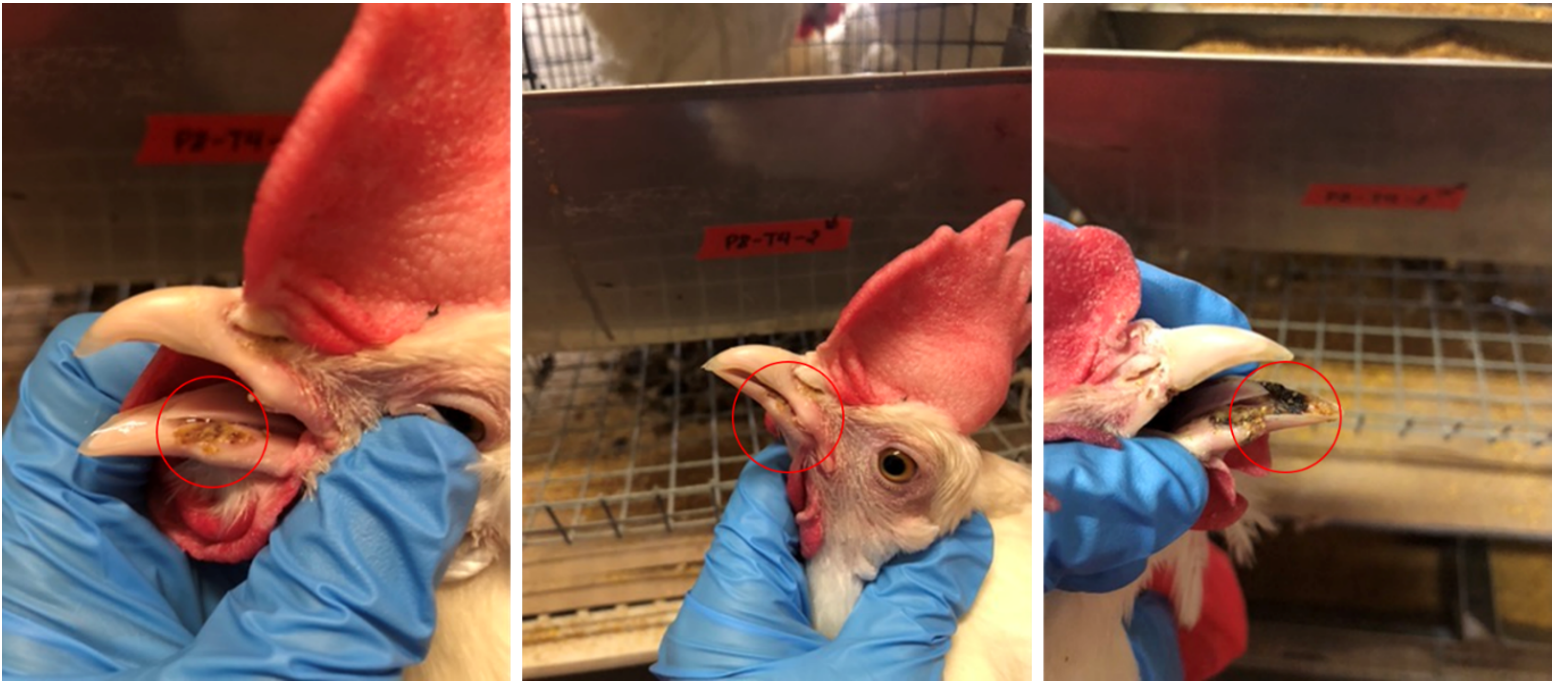
Figure 2. Oral lesions associated with trichothecene exposure (circled). Photo credit: Dr. Jihwan Lee.
Trichothecene mycotoxins damage the tissues they contact.6 In one study, broiler breeders fed DAS at 5, 10, or 20 ppm ate less and weighed less as the dose increased.7 Mouth lesions also became more severe with dose. They appeared most often near the salivary gland openings and at the tip of the tongue.
Trichothecenes
Trichothecenes are a group of Fusarium mycotoxins that includes T-2 toxin, DAS, DON, and nivalenol. They disrupt basic cell functions.8 In animals, they slow growth, weaken immunity, impair reproduction, and cause feed refusal.9
To screen a flock, check 20 to 30 randomly selected birds per house. Gently open the beak and examine the corners of the mouth, the roof of the mouth, and the tip and edges of the tongue. Scoring lesion severity makes it easier to compare the flock before and after a feed change.
Neurological signs
T-2 toxin can cause neurological signs in chickens, including abnormal wing posture, seizures, and difficulty righting themselves. In one study, these signs appeared at 4, 8, and 16 ppm T-2 toxin in feed, the same levels that reduced growth.10
Many of these signs need a trigger. In the same study, abnormal wing posture appeared either spontaneously or after something disturbed the birds.10 Affected birds may therefore look normal at rest, which makes these signs easy to miss. Signs may become apparent only during routine tasks, such as weighing, vaccination, or catching.
These study levels are far higher than those found in commercial feed. In a global survey of nearly 10,000 finished feed samples, 23% contained T-2 toxin. Among those, the median level was 10 ppb and the highest was 1,300 ppb (1.3 ppm).5 The lowest level in the study was more than three times that maximum. Whether lower, more typical levels cause milder signs remains unclear.
Bone changes
Some mycotoxins can weaken bones. In broilers, aflatoxin B1 above 230 ppb reduced the volume of the dense outer layer of the femur. At 560 ppb, it also reduced the mineral content and density of the spongy inner bone.11 Both levels are above the median of 6 ppb in finished feed samples that contained aflatoxin B1.5 These changes are internal, so producers cannot see them without bone measurements. In goslings, T-2 toxin caused feather abnormalities and altered the leg bone growth plate.12 Goslings differ from chickens in their sensitivity to mycotoxins, so this result shows a potential effect, not a threshold for chickens.
How these changes affect behavior
These physical changes can alter how birds eat, react to people, and move. Behavioral changes may be the first thing a caretaker notices, but each one has several possible causes.
Feeding behavior
Mouth lesions can change feeding behavior. In the DAS study described above, restricted-fed male breeders on litter floors left more feed uneaten when their diet contained DAS.7 Most breeder farms already track feed clean-up time, which makes it a practical early warning sign.
Reduced intake is not always feed refusal. It is tempting to assume that birds eat less contaminated feed because it tastes bad. Taste may be part of the story, but it may not be all of it.
In a mouse study, DON increased blood levels of two gut hormones that signal fullness, peptide YY and cholecystokinin.13 Mice with higher hormone levels ate less, and giving the hormones alone also reduced intake.13 These results suggest that DON may reduce appetite, not only palatability. Researchers have not repeated this work in chickens, and results in mice may not apply directly to birds. The mechanism in poultry therefore remains unclear.
This distinction may still help on farm. Changing feed form, feeder design, or feed presentation can often correct a palatability problem, but it may not correct reduced appetite. If intake does not recover after such changes, keep feed quality on the list of possible causes.
Instead of asking, “Are my birds eating enough?” ask, “Are they eating the way they were last week?”
Fear and stress
Broilers fed a diet containing 10 ppm DON had higher levels of corticosterone (a stress hormone), and a higher heterophil-to-lymphocyte ratio (a blood marker of stress).14 Both measures reflect stress. The same birds also showed longer tonic immobility, which reflects fear. In this test, a handler gently restrains a bird on its back, and more fearful birds remain still for longer (Figure 3).14 Chickens fed 5 ppm aflatoxin B1 for 2 weeks also showed longer tonic immobility.15 Both studies used levels well above those in most feed. Finished feed samples that tested positive had median levels of 294 ppb DON and 6 ppb aflatoxin B1.5 The size of these effects under field exposure therefore remains unknown. Flightiness also has common management causes, such as lighting, stocking density, and handling.
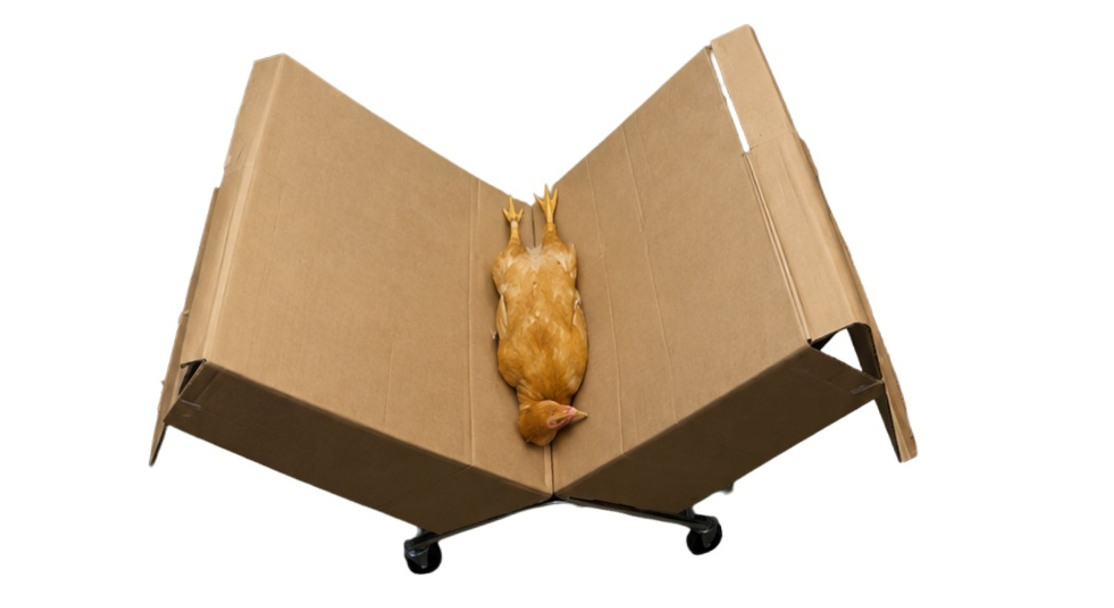
Figure 3. Tonic immobility test. Photo credit: Hari Marasini.
Activity and litter contact
Mycotoxins can also reduce activity. The chickens fed aflatoxin B1 moved and explored less in an open-field test.15 In another study, wearable activity sensors showed that broilers fed 50 or 100 ppb aflatoxin B1 spent more time inactive.16 These levels are much closer to those found in feed than the levels in the other studies described here.
Aflatoxin B1 also changes brain chemistry. A single high oral dose raised serotonin and lowered norepinephrine, two chemical messengers in the brain, in 5-week-old chickens.17 In the feeding study described above, aflatoxin B1 also reduced whole-brain acetylcholinesterase activity. This enzyme is essential for normal nerve signaling.15 Studies across species link aflatoxin B1 exposure to anxiety-like and depression-like behavior, lethargy, and reduced feed intake.18 These brain changes offer a possible explanation for the behavioral effects.
Less active birds may spend more time sitting and less time preening, foraging, and dustbathing. They may visit feeders less often and spend more time in contact with litter. Wet or caked litter is the main risk factor for contact dermatitis, including footpad lesions.19
Confirming the cause
Behavior can tell you when to investigate further, but it cannot identify a specific mycotoxin. No sign described here is specific to mycotoxicosis. Slow feed clean-up may reflect inadequate feeder space. Increased sitting can result from leg problems such as bacterial chondronecrosis with osteomyelitis (BCO). Increased flightiness may follow a change in caretakers or handling practices.
Diagnosing chronic mycotoxicosis requires feed analysis together with flock history, clinical signs, necropsy findings, and laboratory examination of tissues.2 Figure 4 outlines a practical sequence for investigating a suspected problem.
Mycotoxins occur unevenly in a load of feed, so a single grab sample can miss a contaminated pocket or overestimate contamination.20 Collect several subsamples from across the lot, mix them well, and send a portion for analysis. Sample the feed the birds are actually eating. Keep samples cool and dry, and label each with the flock and collection date.
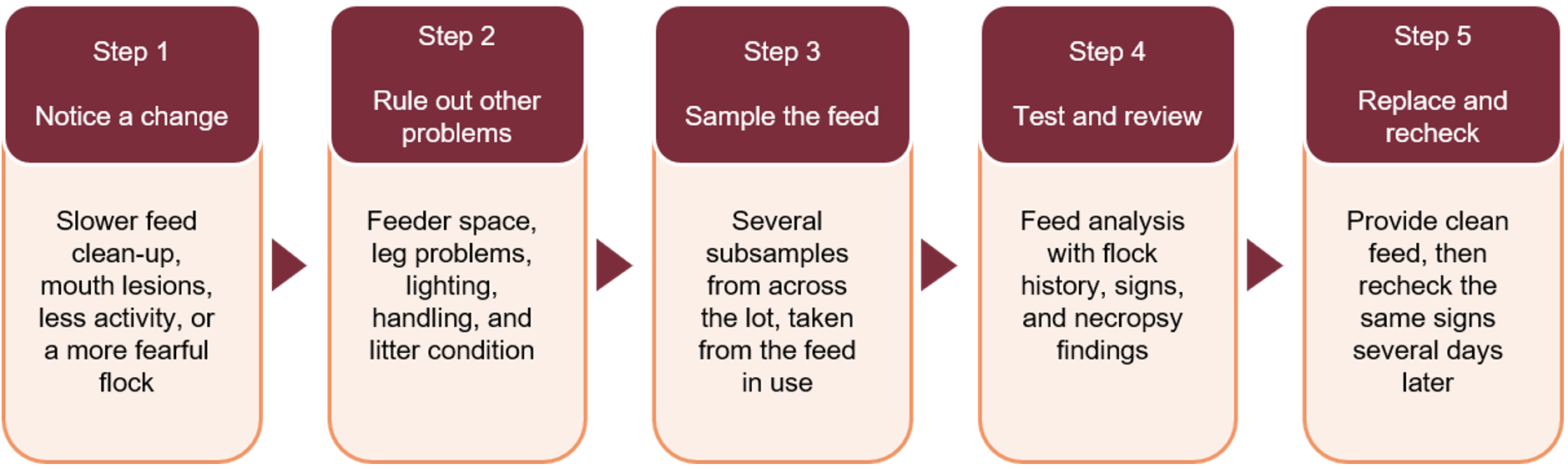
Figure 4. A practical sequence for investigating a suspected mycotoxin problem.
If a contaminated batch caused the change, behavior should improve once the flock receives non-contaminated feed. Recheck the same signs several days later. Improvement supports a feed-related cause but does not prove it.
Reducing the risk
Prevention focuses on using feed ingredients free of mycotoxins and on management that prevents mold growth during feed transport and storage.3
- Know your ingredients. Ask your feed mill or integrator how they screen incoming grain for mycotoxins, especially after poor growing or harvest conditions.
- Keep feed dry and fresh. Check bins and feed lines for leaks, condensation, and caked or moldy feed. Clean bins between flocks and avoid long storage times.
- Use additives with guidance. Mycotoxin binders and detoxifying additives can reduce the effects of some mycotoxins, but no single product works against all of them.21 Choose products with your nutritionist.
- Act early. When you notice the signs described in this article, involve your flock veterinarian and nutritionist, and submit feed samples promptly.
Quick field guide
Table 2. Quick field guide: what you may see, what it may mean, and what to do.
| What you see | What it may mean | What to do |
| Plaques or ulcers in the mouth | Trichothecene exposure, such as T-2 toxin or DAS | Score the lesions. Sample the feed in use. |
| Abnormal wing posture or seizures during routine weighing, vaccination, or catching | T-2 toxin, among other causes | Record the signs and contact your veterinarian. |
| Slower feed clean-up in restricted-fed birds | Mouth lesions or reduced appetite; also feeder space or a recent feed change | Check the mouths of 20 to 30 birds. Review feeder space and recent feed deliveries. |
| A more flighty or fearful flock | Stress from mycotoxins, or changes in lighting, density, or handling | Rule out management changes. Consider feed testing. |
| More sitting; less foraging and dustbathing | Reduced activity, leg problems, or weak bones | Check walking ability and litter condition. Sample feed if other causes are ruled out. |
Summary
- What might you notice? Slower feed clean-up, mouth lesions, unusual responses during handling, or a more fearful or less active flock.
- When should you be concerned? When several signs appear together, follow a feed change, or accompany poor growth with no other explanation.
- What else can cause these signs? Feeder space, leg problems, lighting, stocking density, handling, and litter condition.
- What should you do? Sample the feed in use, involve your veterinarian and nutritionist, replace suspect feed, and recheck the flock several days later.
References
- Okasha H, Song B, Song Z. Hidden Hazards Revealed: Mycotoxins and Their Masked Forms in Poultry. Toxins (Basel). 2024;16(3):137. doi:10.3390/toxins16030137
- Murugesan GR, Ledoux DR, Naehrer K, et al. Prevalence and effects of mycotoxins on poultry health and performance, and recent development in mycotoxin counteracting strategies. Poultry Science. 2015;94(6):1298-1315. doi:10.3382/ps/pev075
- Sandu D. Mycotoxicoses in Poultry – Poultry. Merck Veterinary Manual. Accessed October 1, 2026. https://www.merckvetmanual.com/poultry/mycotoxicoses-in-poultry/mycotoxicoses-in-poultry
- Ochieng PE, Scippo ML, Kemboi DC, et al. Mycotoxins in Poultry Feed and Feed Ingredients from Sub-Saharan Africa and Their Impact on the Production of Broiler and Layer Chickens: A Review. Toxins. 2021;13(9):633. doi:10.3390/toxins13090633
- Gruber-Dorninger C, Jenkins T, Schatzmayr G. Global Mycotoxin Occurrence in Feed: A Ten-Year Survey. Toxins. 2019;11(7):375. doi:10.3390/toxins11070375
- Wyatt RD, Weeks BA, Hamilton PB, Burmeister HR. Severe oral lesions in chickens caused by ingestion of dietary fusariotoxin T-2. Appl Microbiol. 1972;24(2):251-257. doi:10.1128/am.24.2.251-257.1972
- Brake J, Hamilton PB, Kittrell RS. Effects of the Trichothecene Mycotoxin Diacetoxyscirpenol on Feed Consumption, Body Weight, and Oral Lesions of Broiler Breeders. Poultry Science. 2000;79(6):856-863. doi:10.1093/ps/79.6.856
- Rocha O, Ansari K, Doohan FM. Effects of trichothecene mycotoxins on eukaryotic cells: A review. Food Additives and Contaminants. 2005;22(4):369-378. doi:10.1080/02652030500058403
- Polak-Śliwińska M, Paszczyk B. Trichothecenes in Food and Feed, Relevance to Human and Animal Health and Methods of Detection: A Systematic Review. Molecules. 2021;26(2):454. doi:10.3390/molecules26020454
- Wyatt RD, Colwell WM, Hamilton PB, Burmeister HR. Neural Disturbances in Chickens Caused by Dietary T-2 Toxin. Appl Microbiol. 1973;26(5):757-761. doi:10.1128/am.26.5.757-761.1973
- Paneru D, Sharma MK, Shi H, Wang J, Kim WK. Aflatoxin B1 Impairs Bone Mineralization in Broiler Chickens. Toxins (Basel). 2024;16(2):78. doi:10.3390/toxins16020078
- Gu W, Bao Q, Weng K, et al. Effects of T-2 toxin on growth performance, feather quality, tibia development and blood parameters in Yangzhou goslings. Poultry Science. 2023;102(2):102382. doi:10.1016/j.psj.2022.102382
- Flannery BM, Clark ES, Pestka JJ. Anorexia Induction by the Trichothecene Deoxynivalenol (Vomitoxin) Is Mediated by the Release of the Gut Satiety Hormone Peptide YY. Toxicological Sciences. 2012;130(2):289-297. doi:10.1093/toxsci/kfs255
- Ghareeb K, Awad WA, Sid-Ahmed OE, Böhm J. Insights on the Host Stress, Fear and Growth Responses to the Deoxynivalenol Feed Contaminant in Broiler Chickens. Reddy H, ed. PLoS ONE. 2014;9(1):e87727. doi:10.1371/journal.pone.0087727
- Selman WH, Alyasari NKH, Al-Karagoly H. Aflatoxin B1-Induced Neurobehavioral Alterations in Chickens: Inhibition of Brain Acetylcholinesterase Activity, Induction of Oxidative Stress, and Promotion of Inflammatory Gene Expression. Stresses. 2025;5(2):34. doi:10.3390/stresses5020034
- Mei W, Yang X, Zhao Y, Wang X, Dai X, Wang K. Identification of aflatoxin-poisoned broilers based on accelerometer and machine learning. Biosystems Engineering. 2023;227:107-116. doi:10.1016/j.biosystemseng.2023.01.021
- Ahmed N, Singh US. Effect of aflatoxin B1 on brain serotonin and catecholamines in chickens. Toxicology Letters. 1984;21(3):365-367. doi:10.1016/0378-4274(84)90098-5
- Dai C, Tian E, Li H, et al. Molecular mechanisms of aflatoxin neurotoxicity and potential neuroprotective agents. Food Science and Human Wellness. 2024;13(5):2445-2455. doi:10.26599/FSHW.2022.9250201
- Shepherd EM, Fairchild BD. Footpad dermatitis in poultry. Poultry Science. 2010;89(10):2043-2051. doi:10.3382/ps.2010-00770
- dsm-firmenich. The Importance of Proper Feedstuffs Sampling. Animal Nutrition & Health. December 16, 2024. Accessed September 18, 2026. https://www.dsm-firmenich.com/anh/en_NA/news/articles/the-importance-of-proper-feedstuffs-sampling.html
- Çelik K. The efficacy of mycotoxin-detoxifying and biotransforming agents in animal nutrition. In: Nanomycotoxicology. Elsevier; 2020:271-284. doi:10.1016/B978-0-12-817998-7.00012-4
To view all issues of Poultry Press, click here.
Editor’s note: Content on Modern Poultry’s Industry Insights pages is provided and/or commissioned by our sponsors, who assume full responsibility for its accuracy and compliance.