



By Michael Czarick
Extension Engineer – Poultry
University of Georgia
Department of Poultry Science
and
Connie Mou, PhD
Technical Services Manager
Poultry Guard
Chickens are not the only thing we are growing in our broiler houses. We are also growing ammonia — more precisely, the bacteria in our houses that help produce it. These naturally occurring bacteria thrive in the litter because we provide them with feed/manure, moisture and warmth. In return, they generate carbon dioxide and ammonia as they grow and reproduce.
The more we feed the bacteria, the more moisture we add, and the warmer we keep the houses, the more active they become and the more ammonia they produce. This, of course, can adversely affect broiler performance and health.
House temperature, ammonia production
The fact is, we can’t realistically ventilate our way out of an ammonia problem. In short order, the bacteria will quickly replace what our minimum-ventilation fans have removed. The best way to lower ammonia levels in a house is to avoid providing optimal growing conditions for the bacteria — not an easy task. Why is this?
First, it is difficult to stop feeding the bacteria because, obviously, birds will always produce manure. Also, it is hard to limit ammonia by manipulating house temperature because the temperatures we target for optimal bird growth and health are similar to those that promote bacterial activity and, therefore, ammonia production.
Producers who grow birds on built-up litter know this well: Each time they preheat a house, ammonia levels rise along with the temperature.
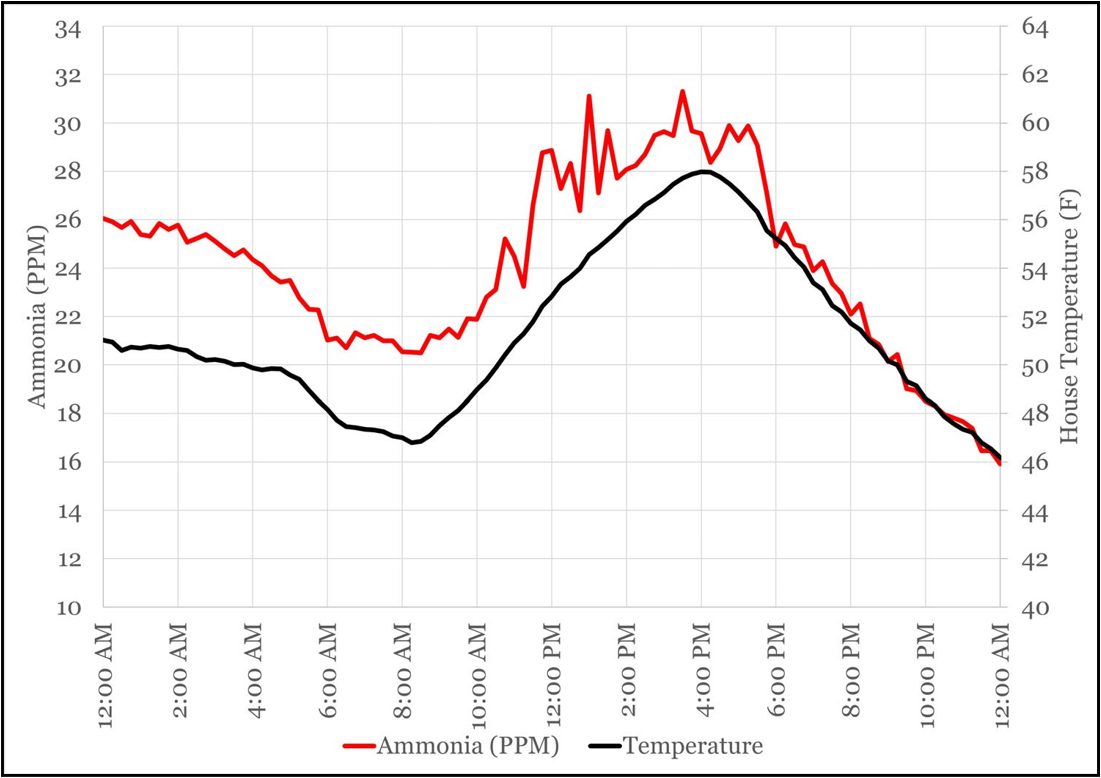
Figure 1 illustrates the relationship between house temperature and bacterial ammonia production rate from a field study that we conducted. Ammonia concentrations were continuously monitored in a commercial broiler house between flocks, where one tunnel fan operated continuously and fresh air entered through sidewall inlets. As temperatures inside the house rose with the outside temperature, ammonia levels rose as well. When outside and house temperatures fell at night, bacterial activity decreased and, in turn, so did ammonia concentrations (Figure 2).
Now, it is important to mention another reason why ammonia levels increase as house temperatures rise: chemical reactions that play a role in converting manure into ammonia and are affected by house temperature. These chemical reactions, like the bacteria, increase significantly as house temperatures increase.
Figure 1. Ammonia concentration (parts per million) versus house temperature (oF)
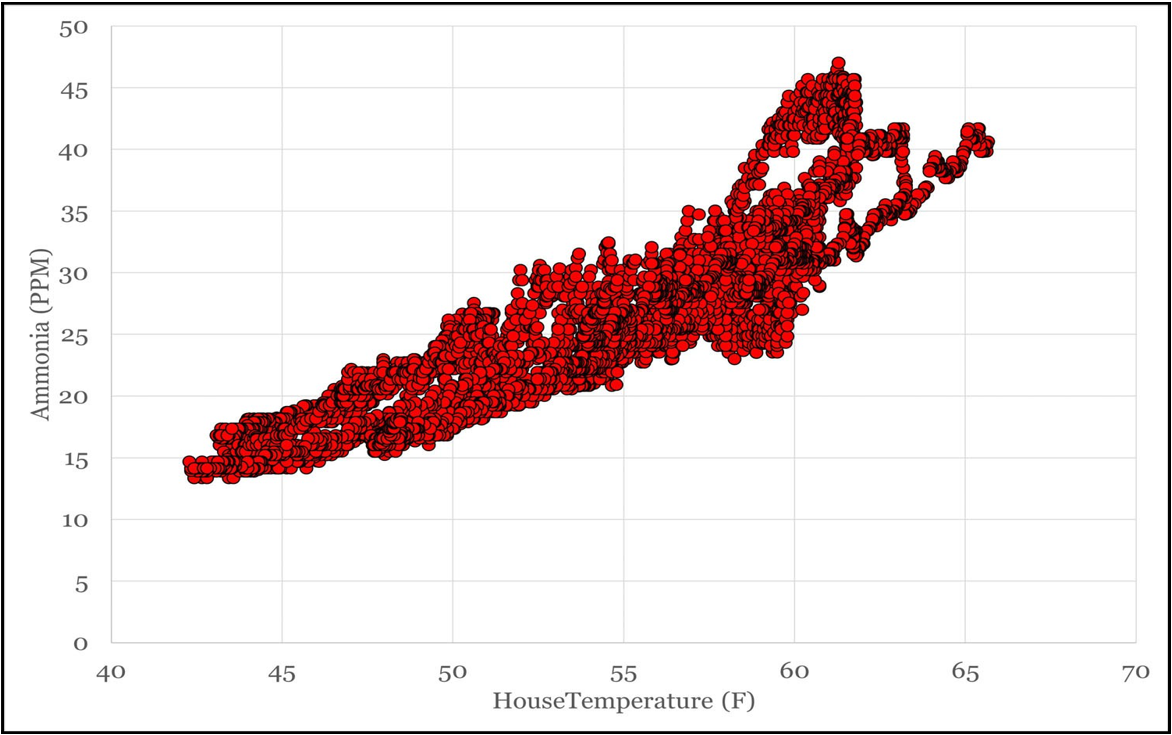
Figure 2. Ammonia concentration and temperature over 24 hours between flocks
Litter moisture, temperature study
The most practical way to limit the growth of litter bacteria — and therefore ammonia production — is to reduce the amount of moisture in the litter. Higher litter moisture creates a more favorable environment for bacterial activity, thus increasing ammonia production.
The optimal litter moisture to minimize bacterial activity is generally reported as being between 15% and 20%. Research conducted by Dana Miles, PhD, a USDA-ARS employee who works with faculty at Mississippi State University, demonstrated that at an air temperature of 75o F (24o C), combined with an increase of litter moisture from 20% to 25%, increased ammonia production by 40%.1 Increasing moisture levels even further, to 30%, increased ammonia production by 80%.
Additionally, the study reported that optimal conditions for growing litter-producing bacteria were between 42% and 45% litter moisture, at which ammonia production increased nearly 2.5 fold! Interestingly, when litter moisture levels exceeded 50%, ammonia generation tended to decrease because bacteria were essentially being “drowned” in excess moisture. So, like growing any crop, too much or too little moisture is not good for “production.”
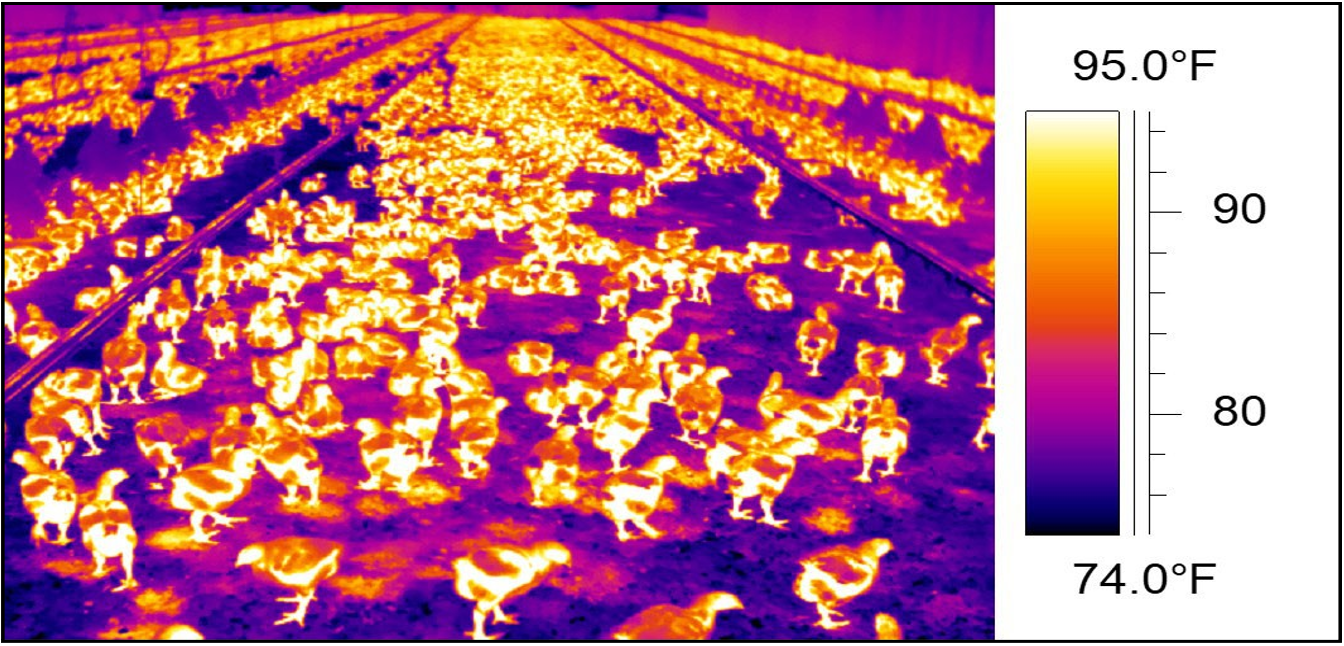
Figure 3. Thermal image illustrating floor heating because of the birds sitting on the litter
Miles also quantified how increasing litter temperature affects litter ammonia production. She observed that at litter temperatures of 95° F (35° C) versus 75° F (24o C) and an increase of litter moisture from 20% to 25%, ammonia production increased 3 fold. Increasing litter moisture to 30% led to a 4-fold increase in ammonia production, and increasing it to 42% to 46% increased ammonia production by 6.5 fold!
Though we might believe that litter temperatures in the 90s occur only during brooding, it is important to realize that a significant portion of the litter in a house will remain in the 90s throughout a flock, as birds sit on and warm the litter with their 106° F (41o C) bodies (Figure 3).
In the end, it is essentially impossible to significantly affect ammonia production by manipulating house air temperature, because any change that would slow down ammonia production would also harm bird performance, health and welfare. Furthermore, as long as birds are in the house, they will warm portions of the litter with their bodies, increasing bacterial activity and ammonia-producing chemical reactions.
Influence of litter pH
Another factor that affects ammonia production is litter pH. Ammonia-producing bacteria do not do well in an acidic environment — the lower the pH, the less ammonia the litter will generate.
The challenge is that manure tends to be more basic than acidic, which favors ammonia-producing bacteria.
Acidic litter treatments can temporarily control ammonia production at the beginning of the flock, but the relatively small amount of product applied early on is quickly overwhelmed by the sheer volume of basic-pH manure produced by the birds. This results in the overall litter pH increasing, making conditions more favorable for ammonia-producing bacteria.
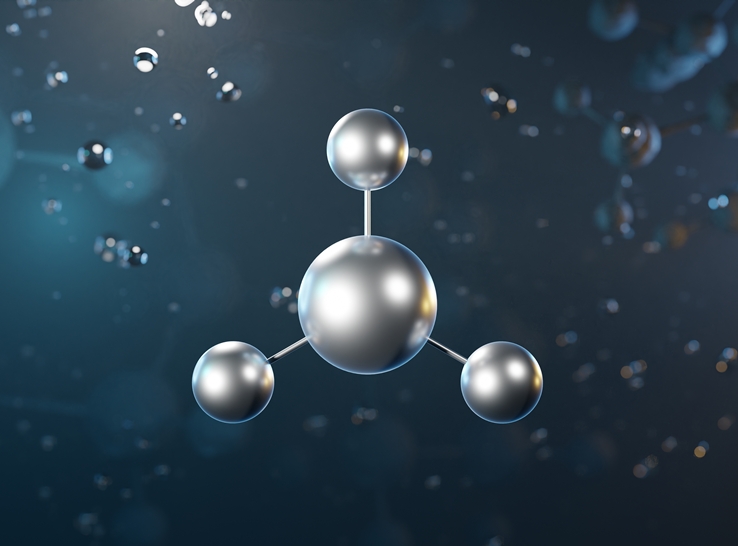
Now, it is important to note once again the role that chemistry plays in the conversion of manure to ammonia. Technically, the bacteria in the litter do not directly produce ammonia gas. They produce ammonium, which is then chemically converted to ammonia gas. But this chemical reaction is affected in the same way by the same factors that affect bacterial activity, namely heat, moisture and pH.
So, regardless of the precise scientific process by which ammonia is generated, the fact remains that the best way to limit the productivity of ammonia-producing bacteria, as well as the chemical transformation of the ammonium into ammonia gas, is by controlling litter moisture. The drier the litter, the more it deters bacterial activity and slows chemical reactions, and the better it is for the overall health, performance and welfare of our birds.
Points of consideration
Below are a few litter moisture-/ammonia-control points to consider:
- Keep drinkers at the proper height and pressure, and replace worn nipples.
- Minimum ventilation-fan settings should be based on the relative humidity (RH) of the air in a house. Ideally, house RH should be kept between 40% and 60%.
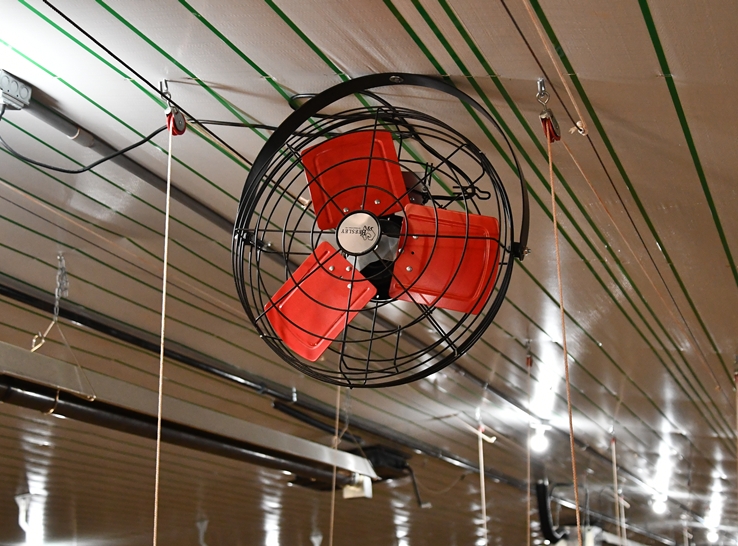
- Install a high-volume circulation-fan system capable of circulating between 20% and 25% of a house’s volume each minute to aid in removing moisture from the litter.
- Moisture drying is not just something to work on when birds are present. It is important to remove moisture from the litter between the flocks as well. Close up houses and set minimum-ventilation fans/sidewall inlets to operate between flocks. Increase timer settings during the day when outside temperatures are higher. Operate circulation fans to help remove litter moisture.
- Preheating to 90o F (32o C) for at least 48 hours and operating minimum-ventilation fans can remove a substantial amount of moisture from the litter, making it easier to control ammonia once the chicks are placed.
References
1. Miles DM. Poultry Litter Moisture Management to Reduce Ammonia. USDA Agricultural Research Service, 2012. Electronic resource. https://purl.fdlp.gov/GPO/gpo30202
Editor’s note: The views expressed in this article are solely those of the author.