

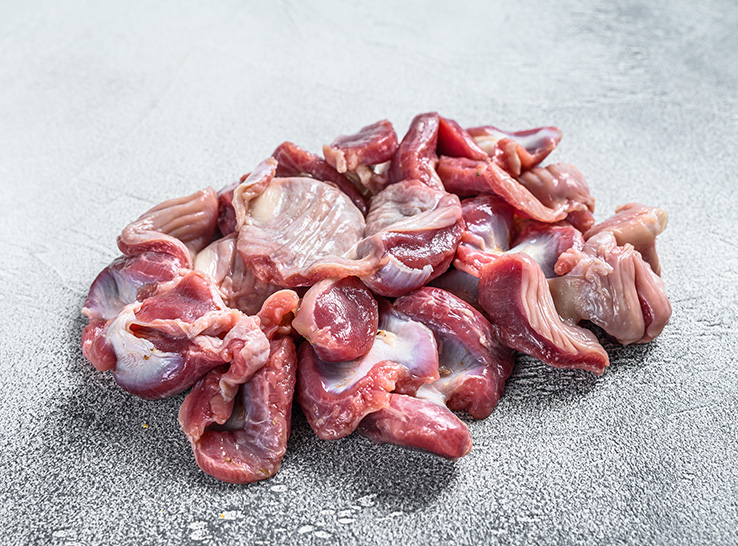
Study suggests copper link to regional rise in broiler gizzard lesions
Levels of copper in broiler diets may be contributing to an increased incidence of gizzard lesions in the southeastern US.



Levels of copper in broiler diets may be contributing to an increased incidence of gizzard lesions in the southeastern US.
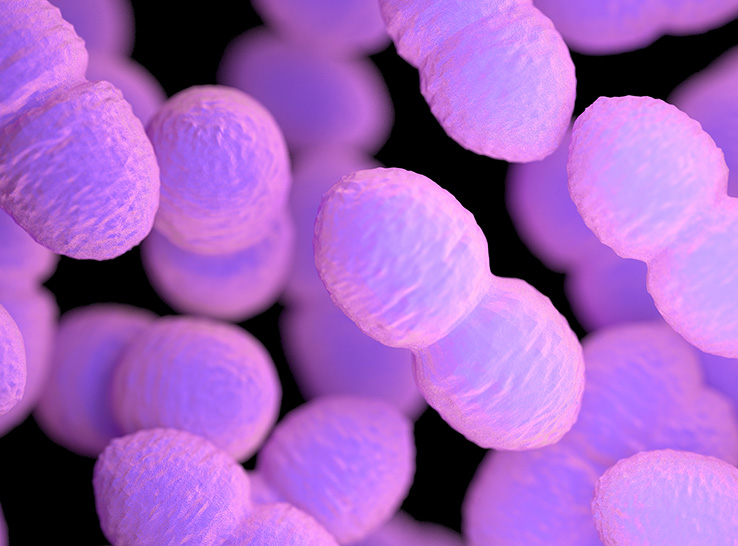
Pathogenic Enterococcus cecorum continues to plague the broiler industry, causing mortality from pericarditis and sepsis early in the growing period and lameness and paralysis late in the growing period.
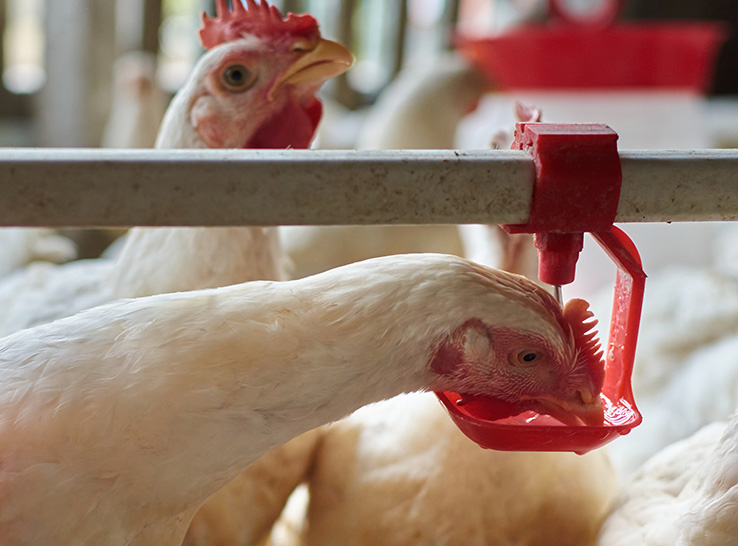
Selecting broilers for water-conversion ratio has no effect on other economically important traits, potentially paving the way for a route to greater sustainability in production.
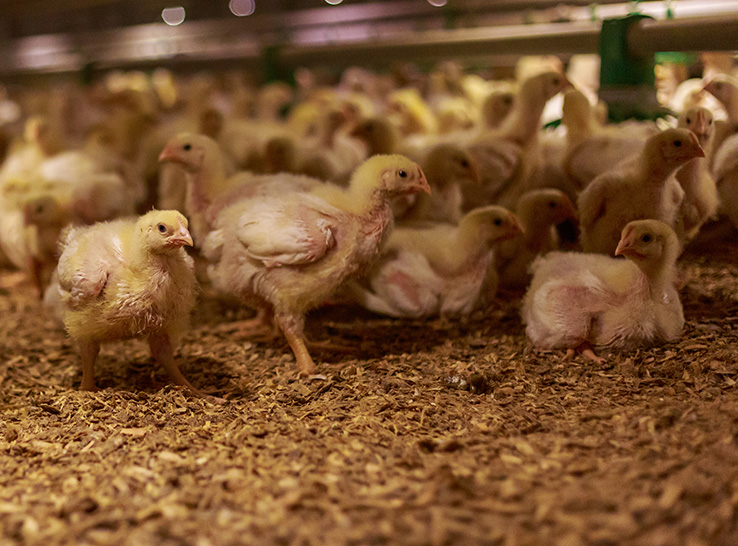
Broiler chicks can be provided between 1 to 4 hours of darkness a day without negative consequences, according to a recent study.
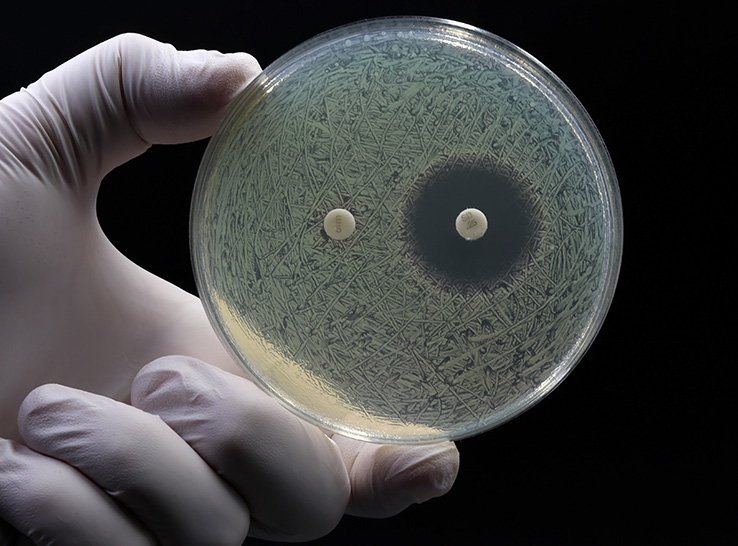
Help may be on the way for broiler flocks suffering from lameness caused by bacterial disease, with a new vaccine being developed and tested at the University of Arkansas as part of a project led by Adnan Alrubaye, PhD.

A drop in USDA’s broiler chicken hatchability rates from 85% to less than 80% in the past decade runs counter to the poultry industry’s improvements in production efficiency, but making just a small improvement in hatchability can create significant economic benefits.

Researchers from Spain and the Netherlands performed a study to determine if adding a mineral and vitamin mix (AHS and Vitamin C) would have an effect on broiler performance in heat-stressed conditions.
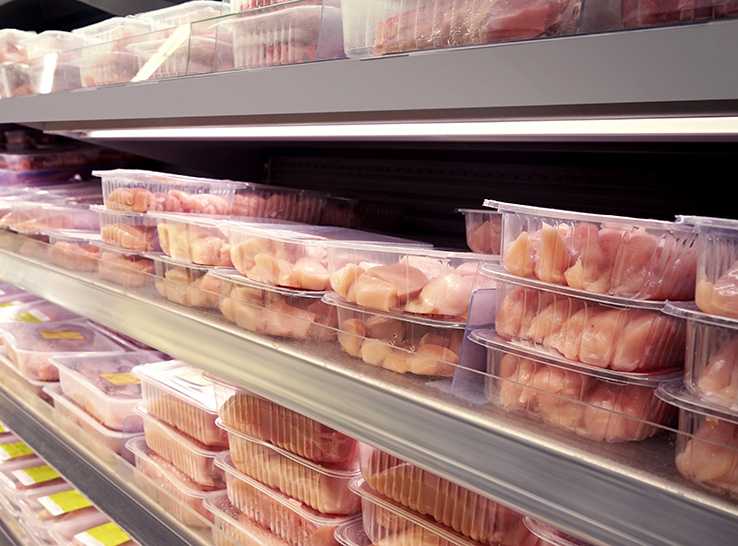
Campylobacter jejuni is a leading cause of bacterial-derived gastroenteritis in the US, due to its ability to asymptomatically reside within the intestinal tracts of poultry.
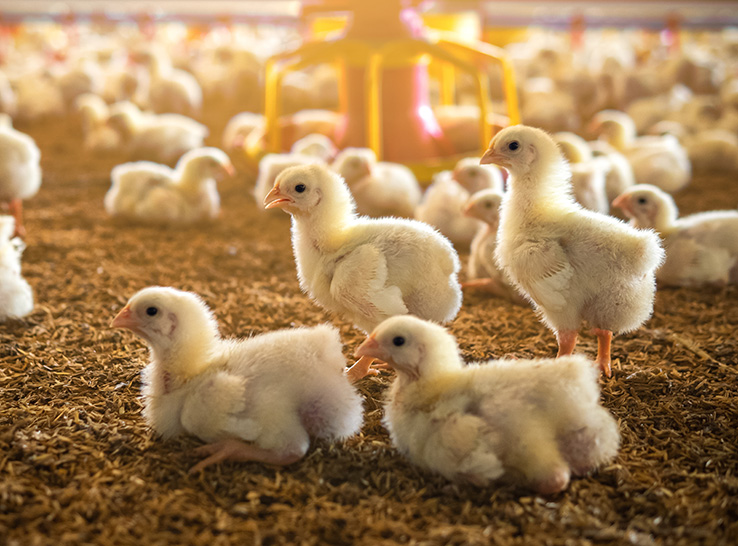
A smartphone app that can identify and classify disease from pictures of chicken feces has been developed to aid poultry veterinarians and farmers in making accurate and swift disease diagnoses.

Modern Poultry editor Joseph Feeks sat down with coccidiosis guru Greg Mathis, PhD, Southern Poultry Research, Inc., at the 2023 PSA conference to talk about Tyson Foods’ plans to drop the NAE label and its potential impact on the industry’s use of ionophores.
By Philip A. Stayer, DVM, MS, ACPV
Independent Consultant
Laurel, MS
By Michael Czarick
Extension Specialist – Engineering
University of Georgia
Department of Poultry Science