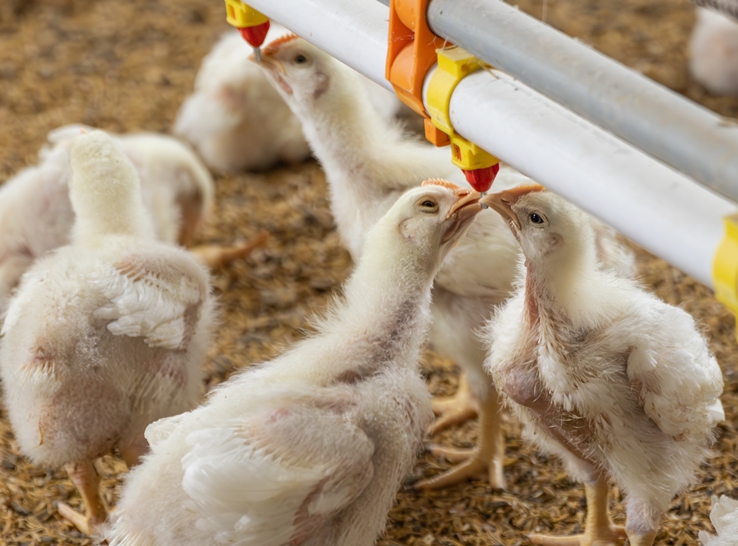


Collaboration needed to combat Enterococcus in broilers
A “Viewpoints” article
by Autumn Gregg, DVM
Poultry resident
Mississippi State University



A “Viewpoints” article
by Autumn Gregg, DVM
Poultry resident
Mississippi State University

Post-mortem exams help determine mortality causes and which health challenges birds are encountering. But conducting necropsies on healthy birds can also provide the perspective needed to distinguish between what’s normal and abnormal for a particular flock.

Pathogenic Enterococcus cecorum is proving to be a growing problem on broiler farms, and infection extends beyond bird-to-bird contact to the farm environment, according to a study led by Martine Boulianne, DMV, PhD, DACPV, at the University of Montreal.

A “Rising Stars” article
by Emmanuel Alagbe, MS
PhD Candidate
Graduate Research and Teaching Assistant
Purdue University, West Lafayette, Indiana
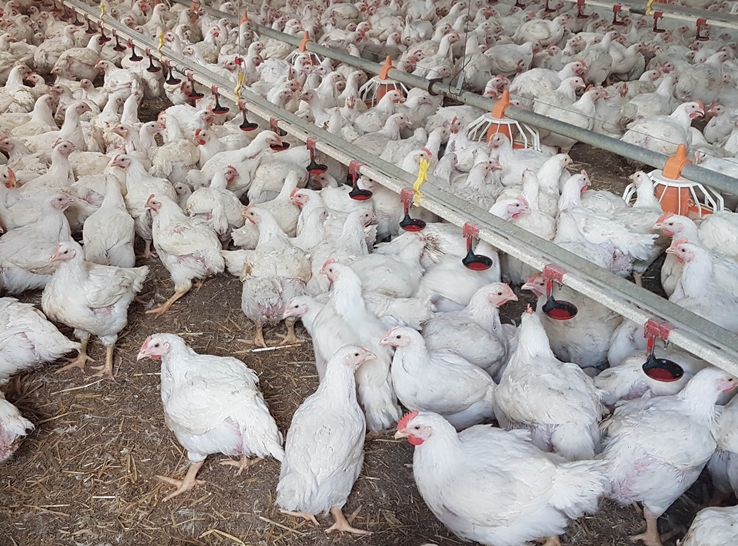
Currently, 38.7% of laying hen housing systems in the United States are cage-free and this transition continues to increase. However, little attention has been given to pullet housing systems. In this article, Richard Blatchford, PhD, University of California, Davis, provides important considerations for pullet management.

Susan Watkins, PhD, has spent much of her 30-year poultry career studying water problems and how to solve them. A consultant and distinguished professor emeritus at the University of Arkansas, Watkins discussed ways to sanitize poultry water systems and correct mineral damage during the Devenish Symposium at the 2025 PEAK conference.

Avian metapneumovirus has not been detected in the US since the 1990s. So, it was a surprise in 2023 when cases began surfacing in Virginia, West Virginia and North Carolina. By January 31, 2024, the Georgia Poultry Laboratory Network received its first suspect case. Here’s what they did.
Merck Animal Health announced the US Food and Drug Administration (FDA) approval of EXZOLT™ (fluralaner oral solution), a parasiticide for chickens that treats and controls northern fowl mites (Ornithinyssus sylviarum) in production houses.
An experimental gut treatment led by molecular microbiologist Melha Mellata, PhD, Iowa State University, demonstrated that using host-specific bacteria improved overall immunity and resistance to bacteria in young chicks.

Data is playing a growing role in helping producers manage risk, optimize health and justify production decisions. From digitizing information to store it securely to using it to guide real-time decision-making, for Dan Wilson, DVM, founder of Wilson Veterinary Co., it has become integral to the way he works with producers to improve flock performance.

By Matthew J. Hardy, MSc
AgriNerds – Co-owner, Waterfowl Biologist and Co-director of Ecological Modeling
Chester County, Pennsylvania
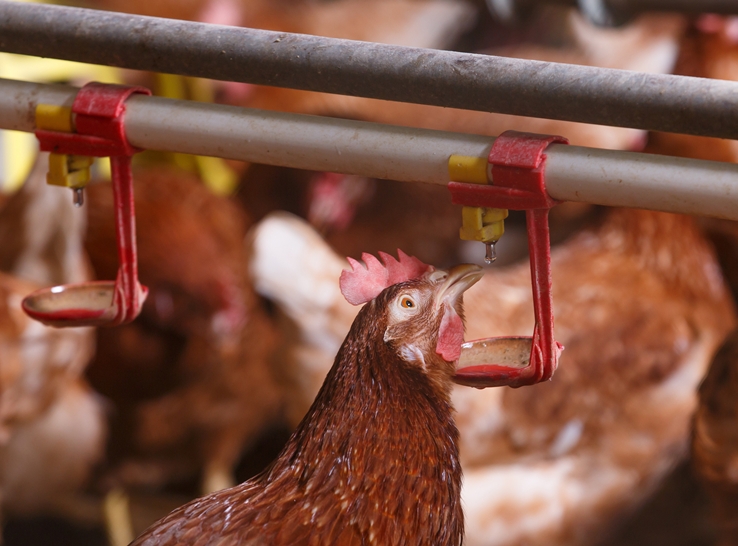
Conducting in-lay boosting of adult, organic, free-range laying hens with a Pasteurella multocida vaccine protected against fowl cholera with minimal impacts on production, according to a study conducted by Luke Trimble, DVM, Wilson Vet Co.