

Russo: Six strategies to get ahead of H5N1 outbreak
By Kay Russo, DVM, MAHM, DACPV
RSM Consulting

By Kay Russo, DVM, MAHM, DACPV
RSM Consulting

Faced with the emerging disease threat posed by avian metapneumovirus (aMPV), the USDA is allowing the importation of three vaccines from Boehringer Ingelheim: the live virus products NEMOVAC™ for use in chickens and AVIFFA RTI for use in turkeys and chickens, as well as the TUR-3 inactivated vaccine for primary vaccination of both turkey and chicken flocks against aMPV subtype B.

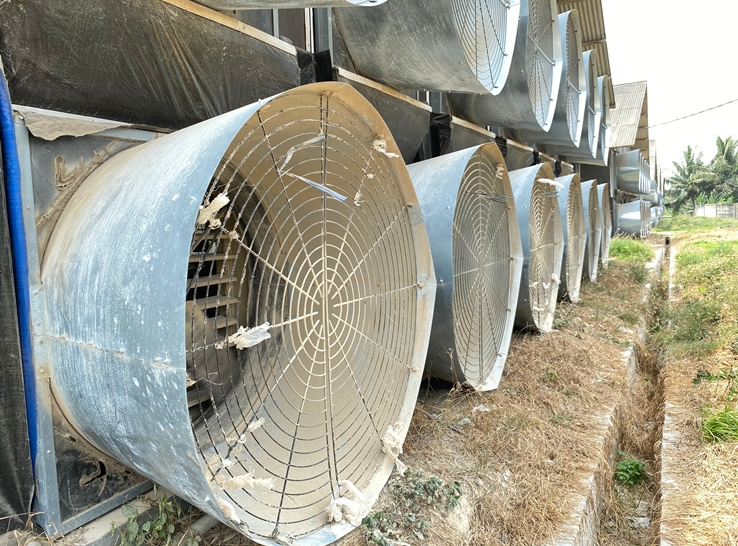
Bird health and production are significantly impacted by air quality, humidity and temperature. Mechanical ventilation systems play a crucial role in maintaining indoor air quality and disease control, but the current systems have limitations, particularly in caged-layer facilities. Researchers from The Ohio State University have designed an innovative ventilation system that addresses health and heat concerns.

In the highly automated world of poultry production, precision livestock farming (PLF) technology to monitor birds in real time can be used to improve their health, welfare and efficiency. But there are limitations to this technology.

Dust particles in poultry houses can exacerbate the spread of highly pathogenic avian influenza (HPAI), with the virus on dust particles remaining infectious for up to 17 hours. By the birds’ activity, it can easily be aerosolized into the environment and, by the ventilation system’s airflow, can be transmitted within the barn and from barn to barn.

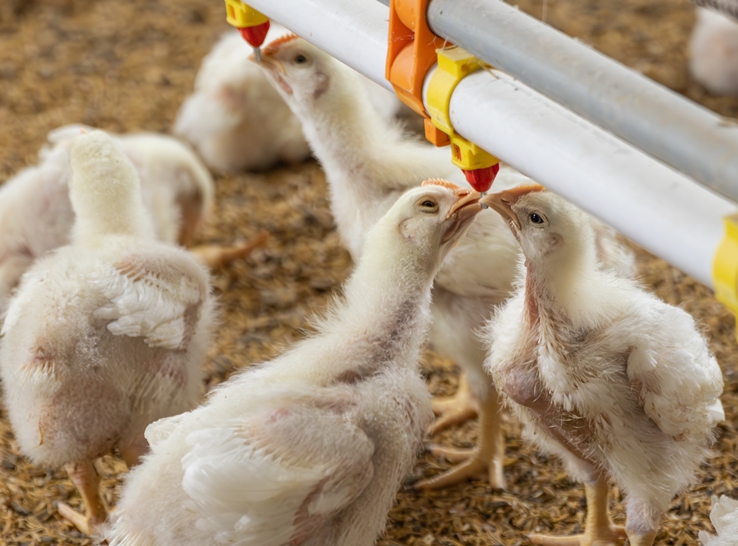
Regular monitoring of broiler drinking-water consumption helps track flock health and performance. A sudden dip or downward trend can alert the producer to potentially serious health or production problems.

Studying genetic material from the air in layer poultry-production facilities has shed new light on potential opportunistic pathogens with antibiotic-resistance genes.

The poultry gut is more than just a digestive organ — it’s a dynamic ecosystem that plays a critical role in bird health, disease resistance and overall performance. As the industry continues moving beyond blanket antibiotic use, producers and researchers alike are zooming in on the gut microbiome and how to manage it more effectively.

By Matthew J. Hardy, MSc
AgriNerds – Co-owner, Waterfowl Biologist and Co-director of Ecological Modeling
Chester County, Pennsylvania

Airborne bacteria and viruses that cling to the dust in poultry houses pose substantial health risks. Lingying Zhao, PhD, agriculture air quality specialist and Extension educator at The Ohio State University, discussed her insights on dust mitigation and collection during a May 2025 webinar sponsored by the University of Georgia.

Questions remain around the transmission of highly pathogenic avian influenza into and within poultry houses, but the infectious nature of the virus is its biggest weapon, according to a USDA expert.

Controlling IBV through vaccination requires knowledge of the circulating field strains. For this reason, surveillance is critical. Mark W. Jackwood, PhD, and Jose Linares, DVM, describe Ceva’s Scientific Support and Investigation Unit that uses real-time quantitative RT-PCR panels to rapidly detect multiple IBV types.