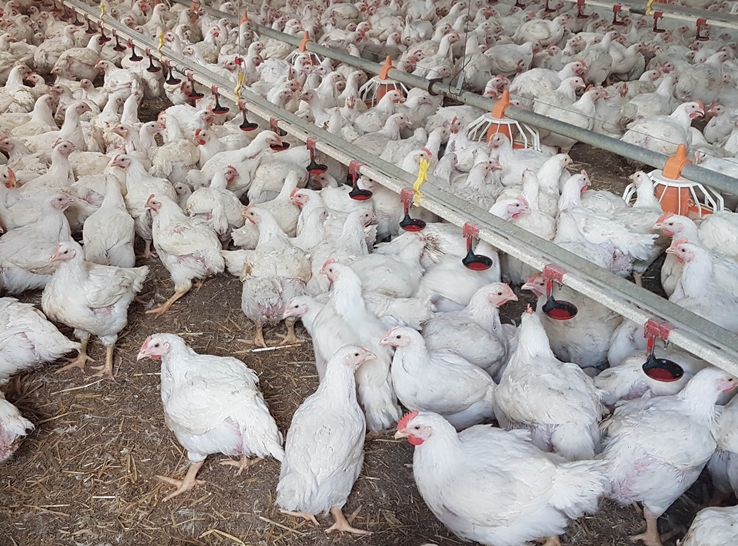


Why measuring emotion in poultry matters

As animal welfare science has evolved, the importance of using animal-based measures to study welfare has become apparent. Birds may have needs and feelings that aren’t immediately obvious to humans, and their priorities are influenced by an evolutionary history that is vastly different than our own.

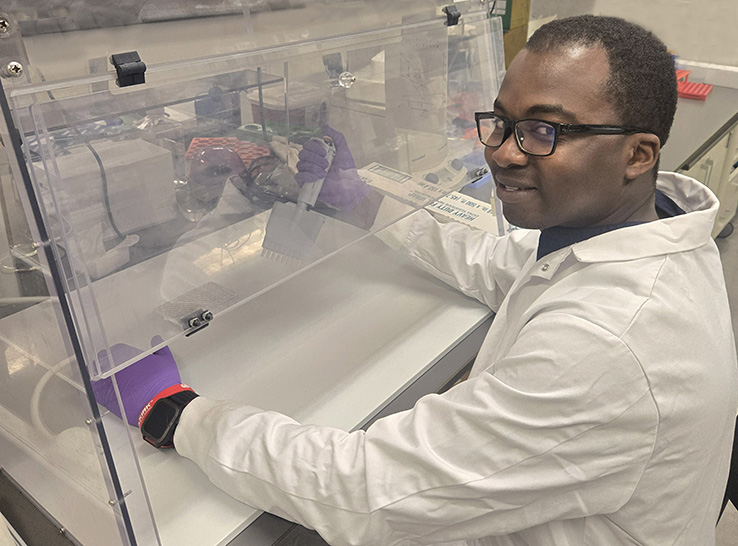
Beyond protection: How vaccines are shaping the poultry microbiome

The poultry gut is more than just a digestive organ — it’s a dynamic ecosystem that plays a critical role in bird health, disease resistance and overall performance. As the industry continues moving beyond blanket antibiotic use, producers and researchers alike are zooming in on the gut microbiome and how to manage it more effectively.

Unwanted roosters: Is in-ovo sexing the answer?

For every laying hen that is hatched, approximately one male counterpart also hatches. However, as roosters do not produce eggs, they are typically culled, or euthanized, at hatch. However, the culling of these day-old male chicks raises ethical concerns.

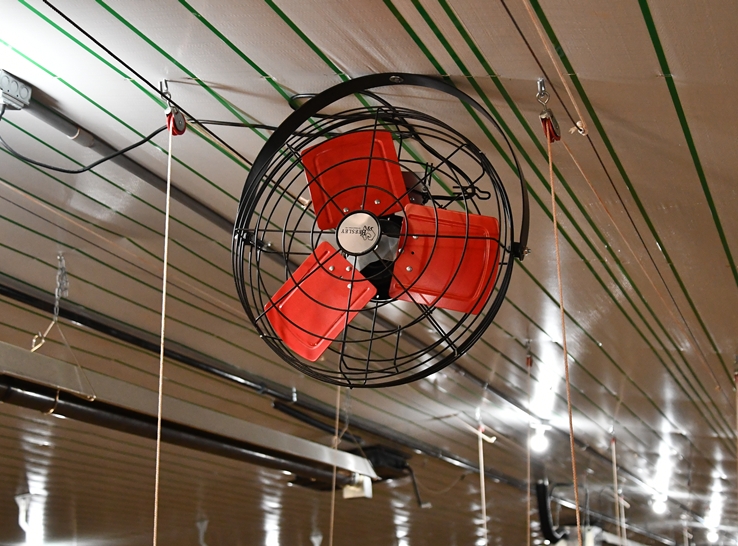
Using technology to address the triple threat of dust in poultry houses

Airborne bacteria and viruses that cling to the dust in poultry houses pose substantial health risks. Lingying Zhao, PhD, agriculture air quality specialist and Extension educator at The Ohio State University, discussed her insights on dust mitigation and collection during a May 2025 webinar sponsored by the University of Georgia.

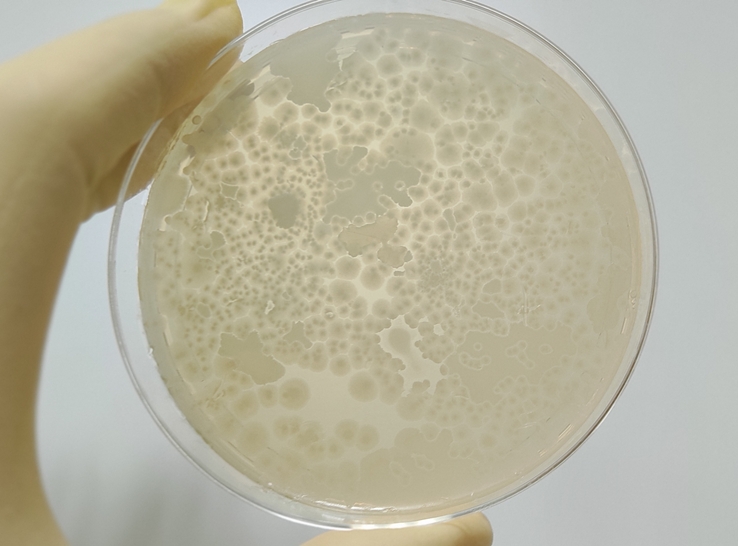
IBV types in the Americas and the next threat to commercial poultry in the US

Controlling IBV through vaccination requires knowledge of the circulating field strains. For this reason, surveillance is critical. Mark W. Jackwood, PhD, and Jose Linares, DVM, describe Ceva’s Scientific Support and Investigation Unit that uses real-time quantitative RT-PCR panels to rapidly detect multiple IBV types.