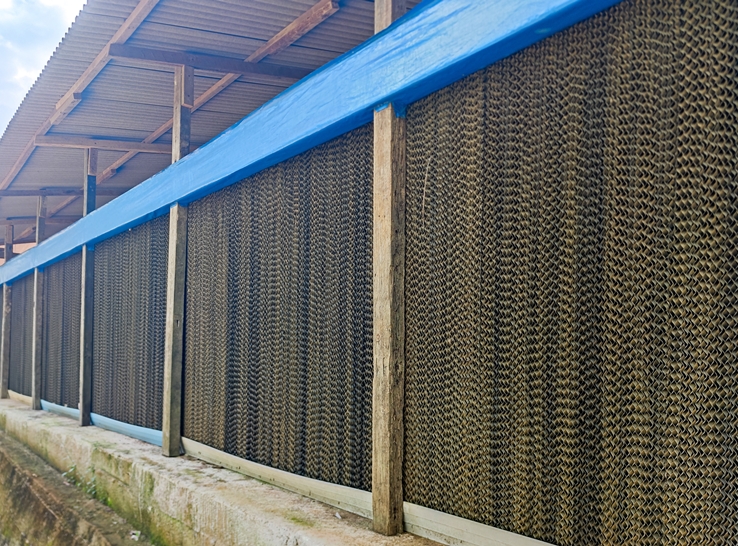

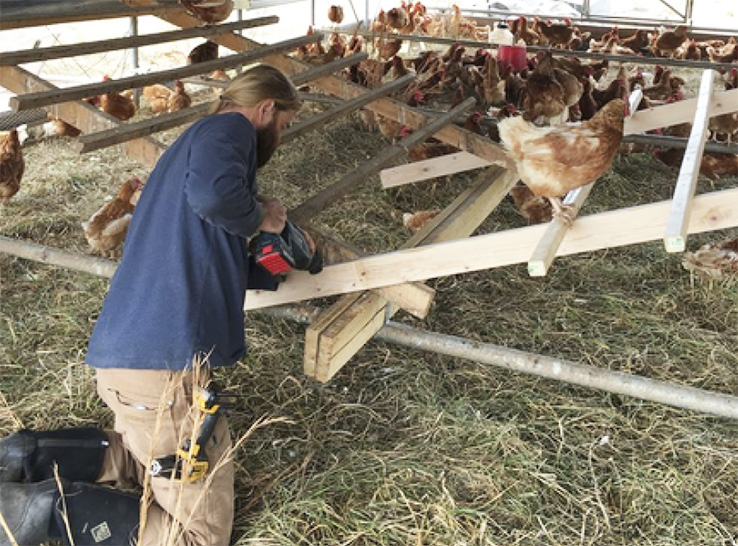
Alternative housing for laying hens: Access to outside
Housing systems for laying hens in the United States (and more broadly across the world) are transitioning away from conventional cages to cage-free systems.



Housing systems for laying hens in the United States (and more broadly across the world) are transitioning away from conventional cages to cage-free systems.
Alternative lighting strategies that allow hens additional feeding opportunities during scotophase, or dark periods, can go a long way toward improving egg quality and bird welfare.

When we think of flickering light, our minds conjure images of candles casting fitful shadows or perhaps the occasional power outage dimming our surroundings. Yet, in the realm of lighting technology, this phenomenon goes by a more precise name: temporal light modulation (TLM).
Anxiety is the most common mental health disorder in people. Chickens may also experience anxiety, but it is difficult to measure and research has been mainly focused on assessing fear. However, we can get insight into their mental state based on observations of behaviors.
Light and dark cycles within a 24-hour period play a crucial role in maintaining physiological and behavioral rhythms in animals.
A “Viewpoints” article
by Ken Opengart, DVM, PhD, DACPV
3 Birds Consulting
Signal Mountain, Tennessee
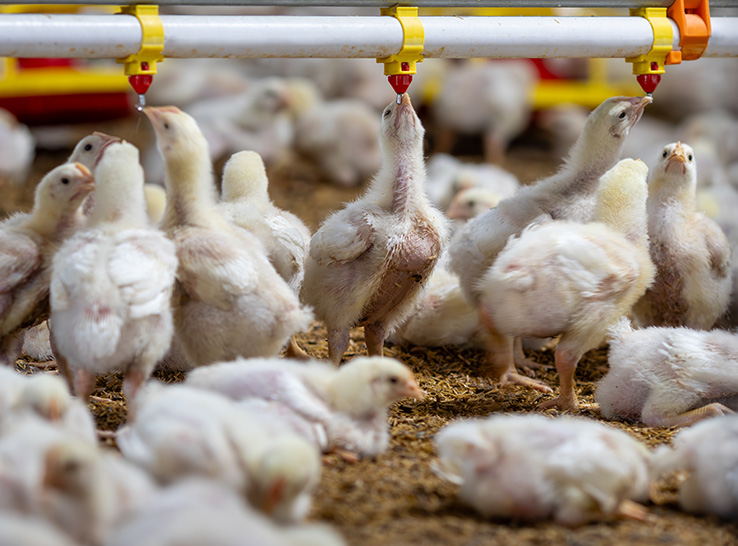
Drinker management is a key aspect of poultry welfare, as water is a crucial resource involved in thermal regulation, nutrient absorption, digestion, waste elimination and overall homeostatic balance in birds.
Animal welfare audits are performed to evaluate whether a hatchery, farm, or processing plant is meeting the specific animal welfare standards of a certification program.
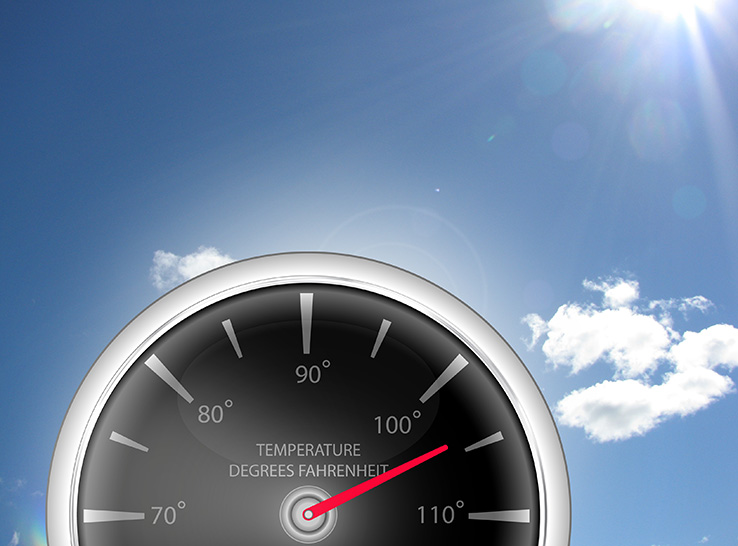
Prolonged exposure to heat stress can lead to respiratory injury in broiler chickens, according to a recent study in China.
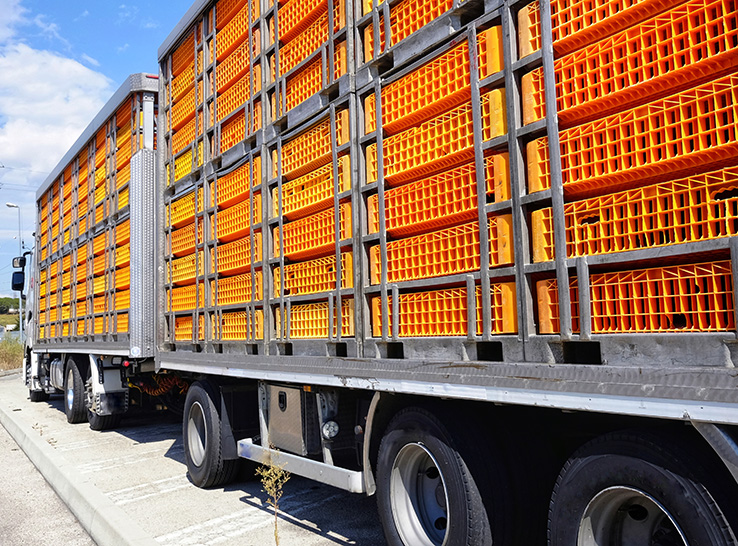
Without other stressors to skew results, altering stocking density (SD) within common ranges does not affect the well-being of layer chicks being transported from hatcheries to pullet-rearing operations.
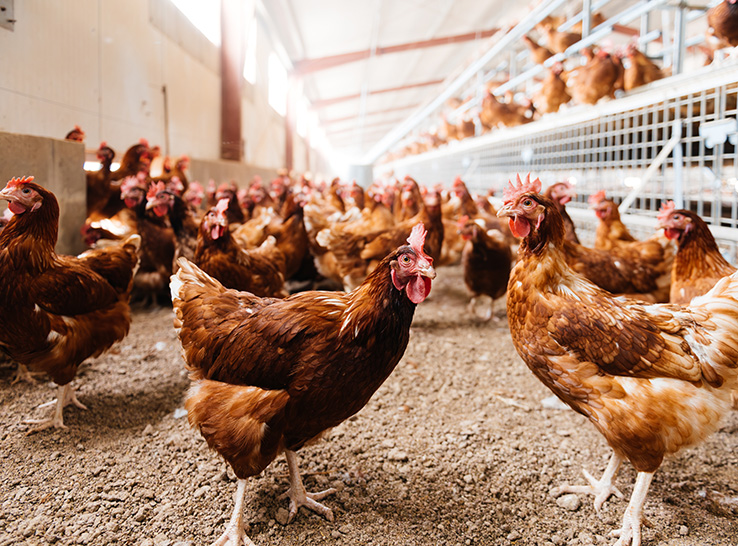
Bird welfare is improved in cage-free layer systems compared to cage systems, but indoor air quality suffers in a cage-free environment due to higher bird activity.
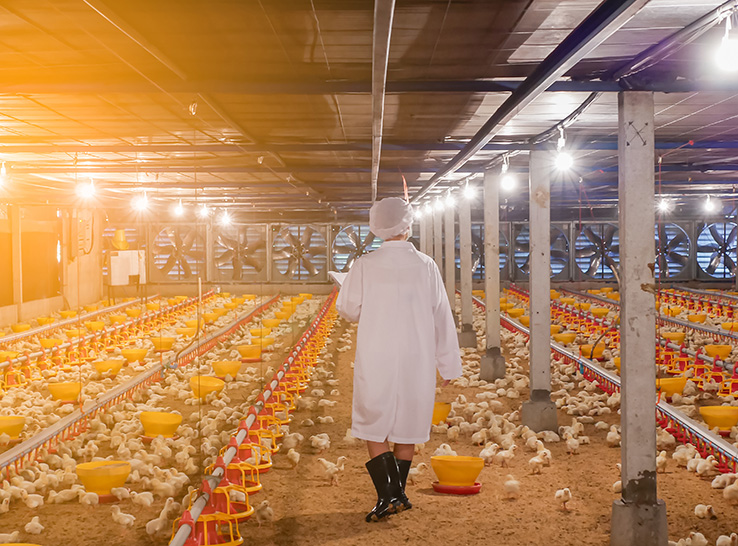
Continuous lighting is commonplace in commercial broiler houses, but is that what’s best for the birds?