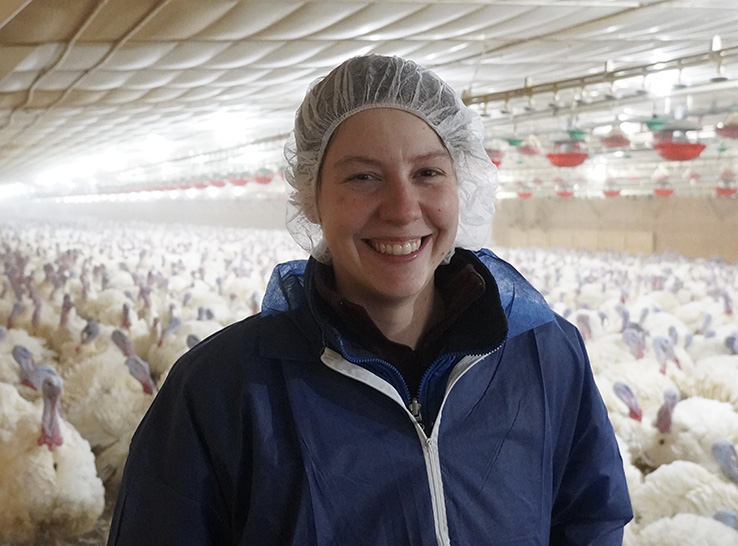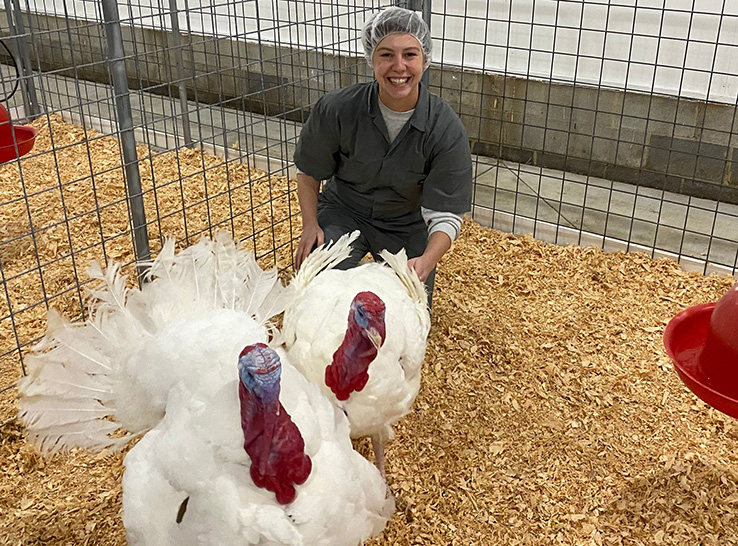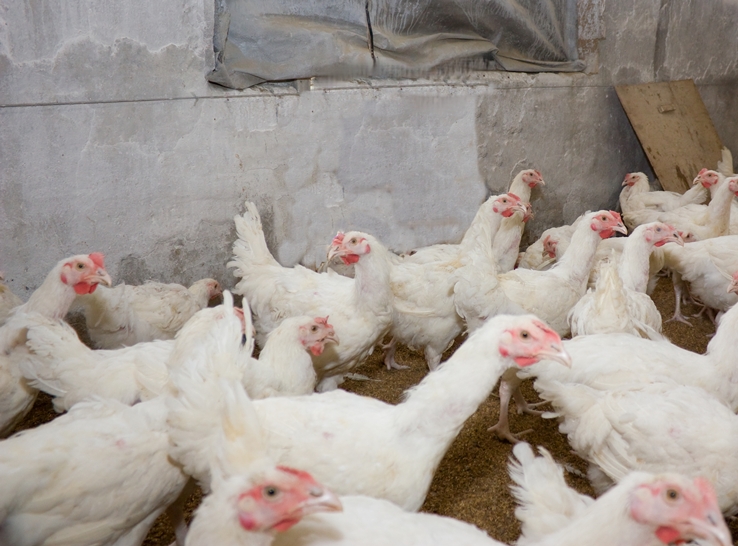






Effective herding, handling and loading of market-ready turkeys depends on many factors, and how best to accomplish the task is not always clear-cut. Farms, flocks and loading crews all differ, making it challenging to ensure the birds reach market alive and free of carcass defects.
“Herding, loading and hauling live turkeys to the processing plant is a critical part of the production process where animal handling can be a significant source of risk for animal welfare, economics and public perception,” says Allison Pullin, PhD, assistant professor of animal welfare, Prestage Department of Poultry Science at North Carolina State University (NC State).
Among those risks are birds that are dead on arrival or carcasses with defects such as bruises, broken bones and skin tears, which downgrade the carcass and remove it from the whole-bird market. Although turkey data are hard to come by, past studies from France and Canada and anecdotal observations in the US reveal that 12% of turkey carcasses receive downgrades.
“You can tell if a bruise was recent — within 24 hours — or older by its color,” she notes. “The limited data we have show the majority of bruises can be associated with the last 24 hours, or the live-haul process.”
In searching for how best to address live-haul turkey handling, Pullin reviewed other livestock sectors that have created training programs, such as those from the National Pork Board and the National Dairy FARM Program.
“These are valuable materials to train employees, but they also present an opportunity for us as an industry to standardize some procedures and best practices,” she says. “It can help the industry manage risks.”
Go to the source
Because the available market-turkey handling information is limited, Pullin and her team wanted to update the materials and make them more accessible across the industry. They also wanted to learn what challenges loading crews are facing and how they’re addressing them.
“The best way to do that is to talk to people who actually do the job,” she says, “and we wanted a representation of what’s occurring across the industry.”
They worked with four commercial turkey companies to set up six in-person focus groups. Four were in English and two were in Spanish, for 38 total participants, including loading crew members and crew leads.
Of the participants, more than 25% had 20+ years of experience, and another 25% had less than a year. “That helps us understand that a new person can have a different perspective than someone who has done the job for a long time,” Pullin points out. “We can learn from both.”
The team recorded the focus groups and used a social-science qualitative analysis to identify themes across the discussions. They identified three major areas, which they later used to develop the training modules: farm factors, human factors and animal factors.
Influencing factors
Under animal factors, for example, the birds’ sex was often cited as influencing the loading process. Toms are more curious, confrontational, aggressive, stronger and heavier than the hens.
“Hens are easier to handle, but they’re flightier and more reactive, so there’s a higher risk of wing flapping and piling,” Pullin says. “Still, hens can be easier to load because they’ll move away from you and go forward. So, in our first training module we talk about differences in tom and hen behavior.”
On the farm side, litter quality frequently presents a challenge. Wet litter can cause foot-pad dermatitis and lameness. Caked litter can create uneven surfaces where birds can trip, causing piling and injury. “This isn’t something the load crew can fix; the growers control the barn environment,” she points out. “Litter quality varies so much from farm to farm.”
If the barn temperature is too hot or too cold, or the lighting is dim, that also creates problems because birds won’t want to move.
The animal factor includes such things as disease issues the flock has faced. Even if the disease was early in the production process, the birds may be more lethargic and less mobile, leading to more loading challenges.
“I often heard crews say, ‘we have no idea what we’re going to walk into when we get to a farm,’” Pullin adds. Exchanging this kind of information would be helpful, but communication often breaks down across all parties — growers, veterinarians and load crews.
The training tool
Pullin’s team was motivated to develop a live-haul training tool that ensured standardized market-ready turkey-handling methods that could be uniformly passed down. “The focus groups told us that they largely rely on informal training or shadowing other crew members,” Pullin says. “Experience is always valuable, but as Temple Grandin has said, ‘We don’t want to let bad become normal.’ Just because someone has done things a certain way, does it convey the message we want for the industry?”
The researchers used the panel discussions to create a bilingual training tool that is housed online at NC State. Individuals or company representatives create a free Brickyard account online on NC State’s Reporter platform to access the English and Spanish versions. Originally designed for individuals, some companies have had their load-crew managers register and then use the program to train their full crew in a group setting, Pullin notes.
The program is set up as a virtual, 1-hour, on-demand session, so no scheduling or third-party is required. Each of the three modules takes about 20 minutes and includes interactive knowledge checks that test the participant along the way versus only at the end.
To further ensure accessibility, the program uses abundant visual and audio instructions. “We received feedback that literacy rates can vary across crew members, so we wanted the tool to be accessible to them,” she says. “All of the photos and videos are from a commercial farm, so the images are current and relevant.”
Notably, the program is compliant with the industry’s welfare-audit training requirements, with a certificate upon completion. Crew members must recertify after a year.
Impressive response
Pullin shared the test results of 52 program participants, 45 of whom had no experience loading turkeys. Approximately 66% of those with no experience reported improvements in their perceived knowledge and confidence after completing the training (Figure 1). Nearly 60% indicated that the program helped them identify diseases or stressors that affect market-ready turkey handling.
“We also tested them with factual questions and saw improved scores there too,” she adds.
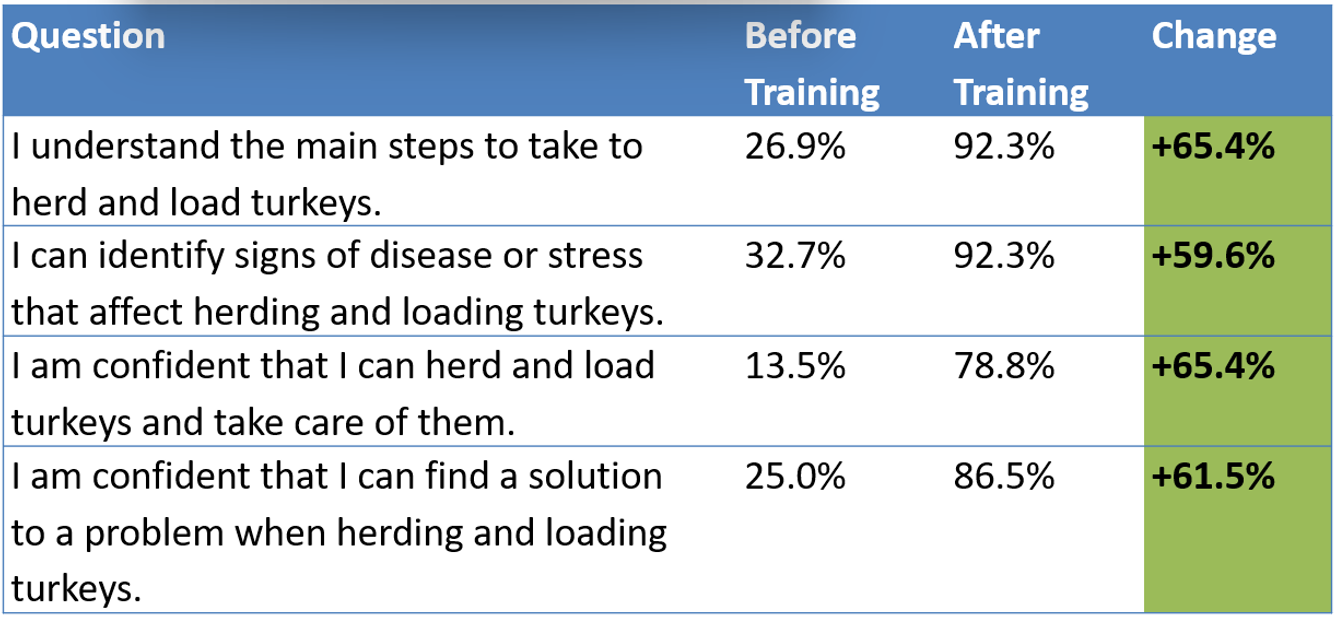
Figure 1. Source: North Carolina State University
The participants gave this specific live-haul training program generally positive reviews (Figure 2).
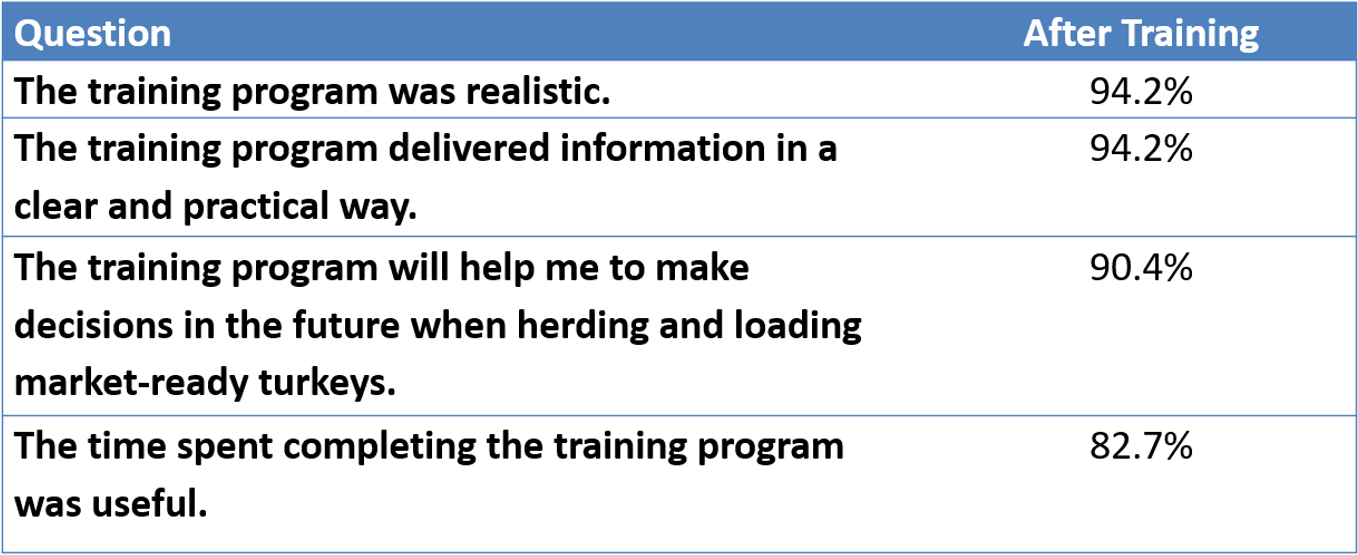
Figure 2. Source: North Carolina State University
Next steps
Pullin hopes the live-haul, market-ready turkey-handling training program will be utilized across the industry for onboarding loading crews as well as annual training.
“I recognize the risks for turkey carcass downgrades during live-haul are multi-factorial,” she notes. “But having employee training is one more tool in our toolbelt for the industry to minimize those risks.”
Standardizing the proper handling methods also helps maintain animal welfare and keep costs down.
Looking ahead, Pullin would like to see more training modules for various turkey production sectors, such as turkey poult placement methods and how to move birds from brood to the grow barn. “It’s exciting to think about creating other modules for handling turkeys, as well as branching out to other poultry,” she says.
Another area she has her eye on is to standardize farm rearing conditions.
Finally, she would like to pursue how to improve communications between live-haul crews and the production side. “The goal would be to figure out how do we set crews up for success with things they don’t control but that affect their job? That is an important question to answer for the industry.”