


Minimum recommended ventilation rates alone are insufficient
By Michael Czarick
Extension Specialist – Engineering
University of Georgia
Department of Poultry Science



By Michael Czarick
Extension Specialist – Engineering
University of Georgia
Department of Poultry Science

Transporting poultry from grow farms to processing plants can be stressful for birds, even more so in humid weather or during a brisk cold snap when stress levels can increase enough to contribute to weight loss and reduced meat quality.
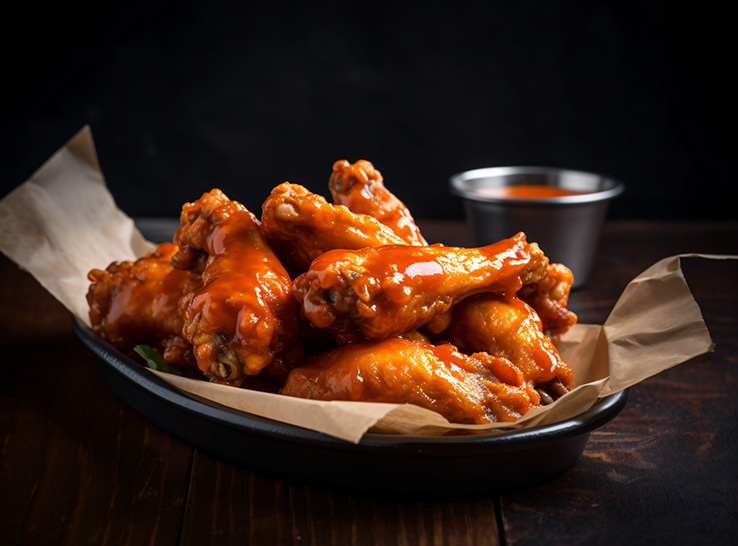
Every year the National Chicken Council issues its annual Wing Report projecting the volume of seasoned chicken wings that will be consumed by ravenous, party-going Americans while watching the biggest football game of the year on TV.
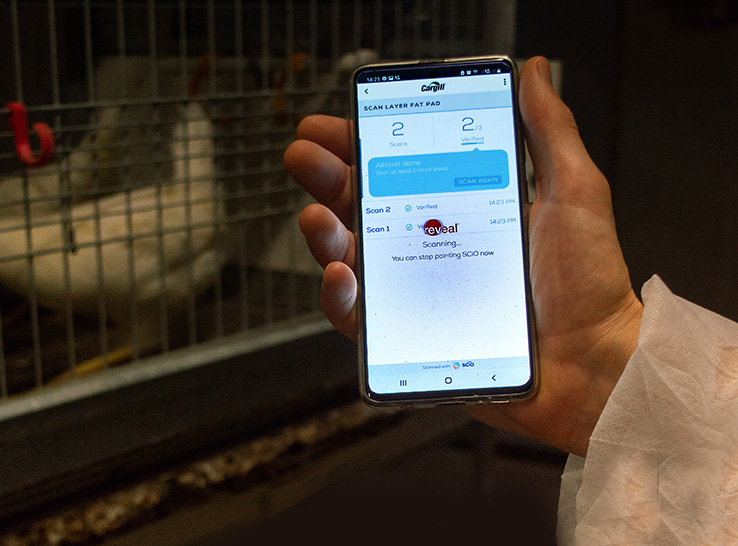
Cargill has introduced REVEAL™ Layers, a non-invasive near-infrared (NIR) technology that helps producers and nutritionists make real-time decisions regarding hens’ diets to support their flocks’ long-term production and performance.

Evidence that airborne spread of highly pathogenic avian influenza (HPAI) is possible near flocks of wild birds underlines that even extreme biosecurity won’t completely protect egg-production flocks, according to an industry commentator.
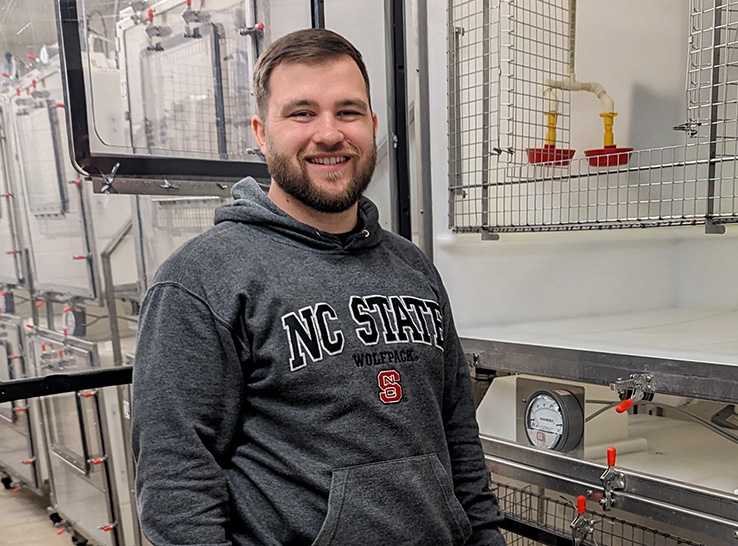
By Justin Lowery, MS
North Carolina State University
Raleigh, North Carolina, USA

Modern Poultry has introduced “Rising Stars,” a new editorial section featuring work, insights and opinions from graduate research assistants focused on poultry science.
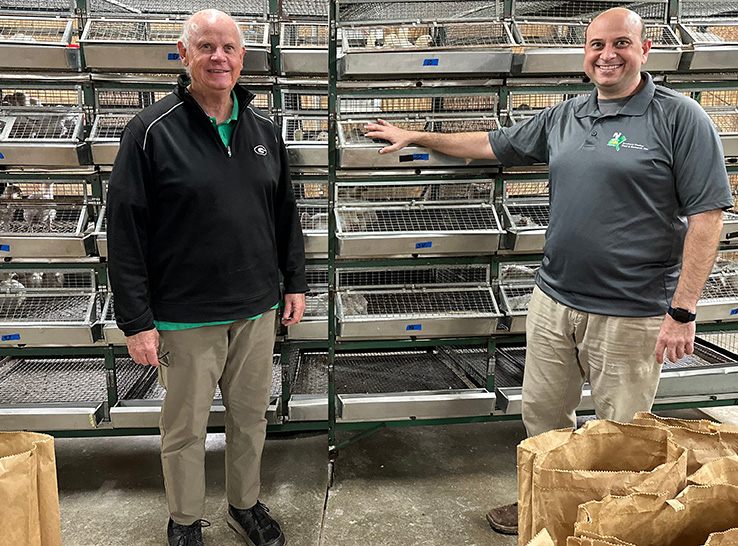
By Brett Lumpkins, PhD, and Greg Mathis, PhD
Southern Poultry Feed & Research, Inc.
Athens, Georgia USA

By Don Ritter, DVM
Poultry Business Solutions LLC
Norfolk, Virginia

The importance of maintaining good gut health is well-known in the poultry industry, but the gut’s microbiome and its role in health and performance remain a mystery.
USDA’s Agricultural Marketing Service estimates that two-thirds of laying hens in the US will need to be in cage-free production by 2026 to meet the projected demand, but the practice requires considerable planning by producers.
Tightened-up feed-processing practices along with new hygienic feed options can help reduce salmonellosis outbreaks linked to poultry products, according to Tim Boltz, PhD, assistant professor of poultry nutrition and feed hygienics, Mississippi State University.