
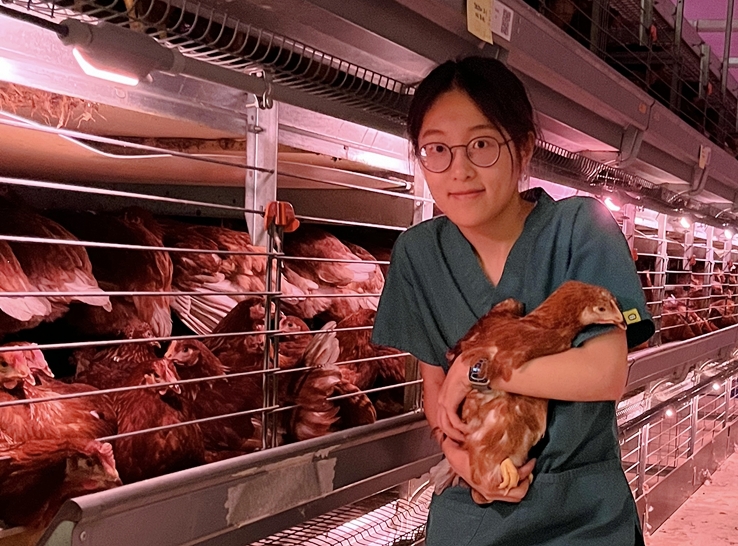
Reading the hens’ behavior: What activity and play tell us about welfare in cage-free aviaries
A “Rising Stars” article
by Xiaowen Ma, MS
Department of Animal Science
Michigan State University



A “Rising Stars” article
by Xiaowen Ma, MS
Department of Animal Science
Michigan State University
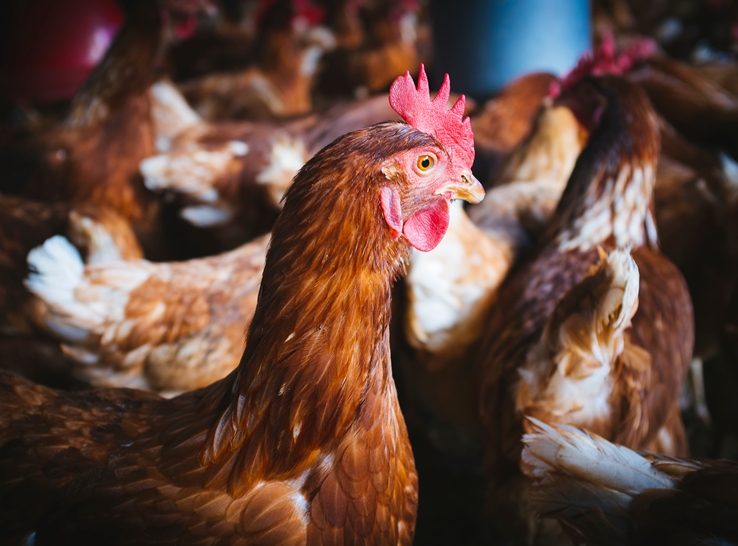
Salmonella exposure to consumers from eggs has been a decades-long concern. Richard Gast, poultry research microbiologist at USDA’s US National Poultry Research Center in Athens, Georgia, has developed two research projects to gain more perspective on Salmonella Enteritidis in cage-free layer housing.

A “Viewpoints” article
By Ken Opengart, DVM, PhD, DACPV
3 Birds Consulting
Signal Mountain, Tennessee
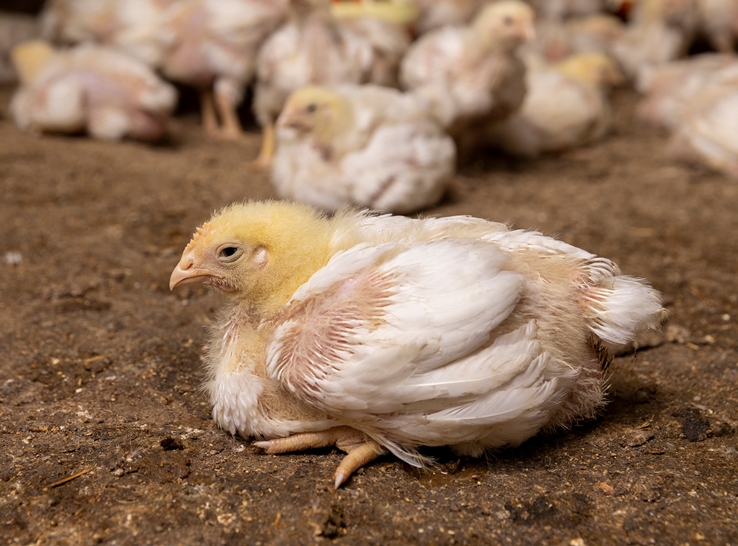
Bone and leg health issues are among the top five common concerns for broilers, noted Gigi Lin, DVM, DACPV, adding that “Lameness can indicate not only a potential disease issue but is a welfare and economic concern.” Lin, a veterinary consultant with Canadian Poultry Consultants, Ltd, was featured in the 2025 Canadian Poultry’s Broiler School Series webinar presentation, “Understanding and Managing Lameness in Broilers.”

Alternatives to antibiotic growth promoters can maintain broiler performance. But replacing antibiotics is not a simple matter of like-for-like replacements, according to Doug Korver, PhD, professor of poultry nutrition at the University of Alberta.

A “Viewpoints” article by
Sara Throne, DVM, MAM, Dipl. ACPV
Simmons Foods, Inc.
Siloam Springs, Arkansas, USA
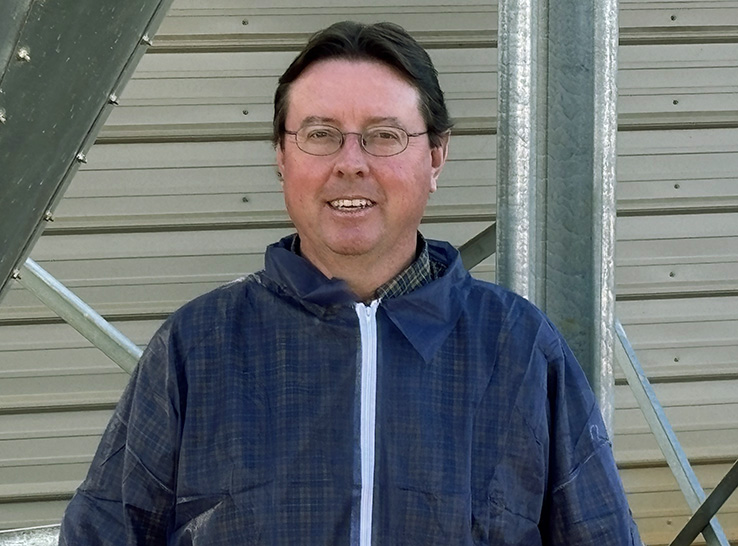
Good composting procedures eliminate odors and reduce the number of flies, rodents, predators and scavengers attracted to the bins. Additionally, when done properly, composting is a cost-effective method of biosecurity.

Post-mortem exams help determine mortality causes and which health challenges birds are encountering. But conducting necropsies on healthy birds can also provide the perspective needed to distinguish between what’s normal and abnormal for a particular flock.

Pathogenic Enterococcus cecorum is proving to be a growing problem on broiler farms, and infection extends beyond bird-to-bird contact to the farm environment, according to a study led by Martine Boulianne, DMV, PhD, DACPV, at the University of Montreal.
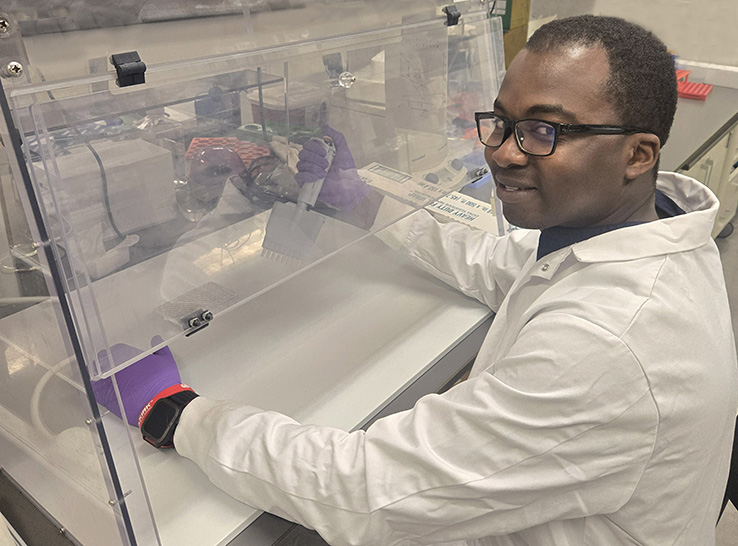
A “Rising Stars” article
by Emmanuel Alagbe, MS
PhD Candidate
Graduate Research and Teaching Assistant
Purdue University, West Lafayette, Indiana
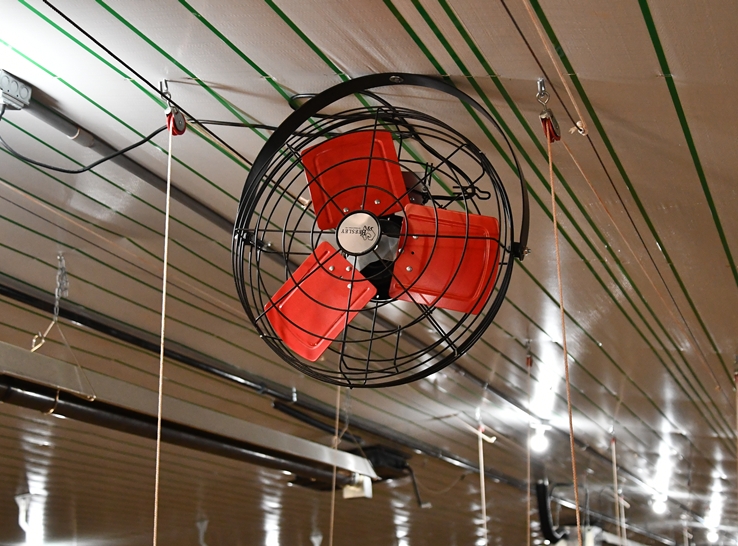
A “Viewpoints” article
by Michael Czarick
Extension Engineer – Poultry
University of Georgia
Department of Poultry Science

Susan Watkins, PhD, has spent much of her 30-year poultry career studying water problems and how to solve them. A consultant and distinguished professor emeritus at the University of Arkansas, Watkins discussed ways to sanitize poultry water systems and correct mineral damage during the Devenish Symposium at the 2025 PEAK conference.