



Clostridium load in broiler houses not indicative of necrotic enteritis risk
Abstract: A field study of Clostridium perfringens enumeration methods in the broiler house environment


Abstract: A field study of Clostridium perfringens enumeration methods in the broiler house environment

Abstract: Comparative effects of ionophore anticoccidials with or without the addition of a QY phytogenic on performance and coccidia lesion scores in broilers challenged with contemporary coccidia strains.
Abstract: Evaluation of the development of resistance following prolonged use of synthetic anticoccidials in a high challenge floor pen model

Abstract: Effect of MDV-1 vaccines administered alone or with HVT on the development of the chicken embryo immune system

A joint research study conducted by the USDA and North Carolina State University researchers demonstrated that the type of housing system used for laying hens can influence levels of human pathogenic Salmonella in their organs.
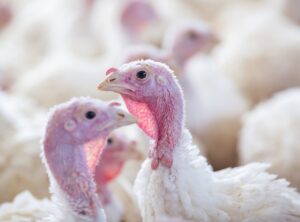
When enteritis strikes, the challenge is identifying the exact cause. In February 2023, Huvepharma’s research and development personnel received a call about enteritis symptoms in two commercial antibiotic-free turkey houses. A team went out to conduct a thorough field investigation to determine precisely what was going on with the flocks.
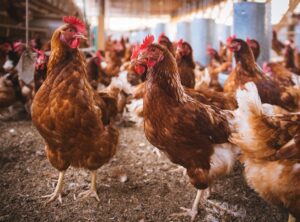
While some mortality is expected in all layer flocks, regardless of the housing type or breed, the rate and causes can vary depending on the production system. Cage-free systems may not inherently have higher mortality than cages and experience in managing birds in cage-free systems plays a big role in maintaining low mortality.

Coccidiosis guru Steve Fitz-Coy, PhD, started his career in the early 1980s. Some 40 years later, coccidiosis continues to be one of the most common and costly diseases of poultry worldwide. And Fitz-Coy, a poultry scientist at Merck for the past 24 years, is still the go-to guy when an outbreak is suspected.
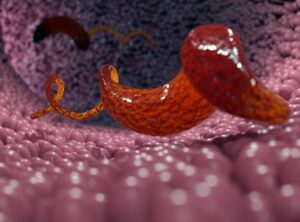
Recently, Campylobacter hepaticus was identified as the causative agent for chicken spotty liver disease (SLD), an illness which manifests as acute infectious hepatitis and causes a significant drop in egg production and high mortality in layer chickens. Researchers from Iowa State University, led by Orhan Sahin, DVM, PhD, are studying Campylobacter bacterins in the control of SLD.
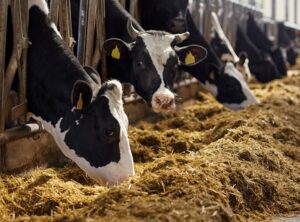
Waiting for the H5 influenza outbreak to slow down in dairy cattle is no longer enough for the AAAP and PSA. The two groups teamed up to push for more action to help the dairy industry address its growing outbreak of highly pathogenic avian influenza. In PSA’s Unplucked podcast “H5 Influenza Uncovered” veterinarians from both organizations discussed this topic.

Nearly 1,200 poultry scientists, researchers, students and professionals from academia, industry and government agencies across the US, Canada, Mexico, Brazil and beyond will gather in Raleigh, North Carolina, for the 2025 PSA Annual Meeting, taking place from July 14 to 17.
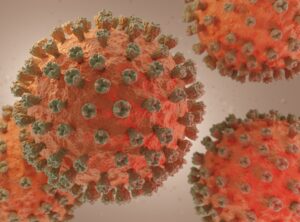
In response to the ongoing H5N1 avian influenza outbreak and questions surrounding the use of vaccination to control the disease, several experts from the American Association of Avian Pathologists (AAAP) created a fact sheet on H5N1.