
Category: Bronze

Research sheds light on how chicks develop immunity after DOA vaccination

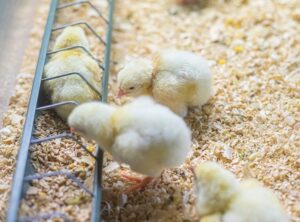
Hatchery day-of-age vaccination has been a cornerstone of broiler health for decades, but new research is shedding light on the mechanisms that help it protect chicks despite the immaturity of their immune systems. The findings are significant because it is widely used throughout the poultry industry, yet relatively little is known about how newly hatched chicks develop protection following vaccination.

Edible enrichments for commercial poultry

Chickens are highly motivated to peck, forage, and explore their environment. Providing opportunities for birds to express these motivated behaviors, is a key component of animal welfare, and edible enrichments can be an effective way to encourage engagement with the environment.

Taking out the guesswork to cut winter infectious bronchitis virus outbreaks

Jose Linares, DVM, a diagnostician and technical services veterinarian at Ceva Animal Health, said pre-winter surveillance – including reverse transcription quantitative polymerase chain reaction (RT-qPCR) testing, sequencing and processing-age serology – can help veterinarians and producers validate current IBV immunization strategies and ensure they are relevant and effective.

Improving poultry vaccine supply: Inside the manufacturing process

Behind every successful poultry operation is a dependable vaccine supply chain. But producing vaccines is no small feat — it requires precision, foresight and the ability to adapt to biological and regulatory challenges. Daniel Hamby, senior associate director of manufacturing science and technology at Boehringer Ingelheim, gives a behind-the-scenes look at vaccine production and explains what it takes to deliver consistent, high-quality products to the industry.

Novel PCR assay differentiates among aMPV subtypes in single test

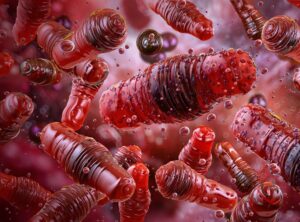
In the poultry sector, avian metapneumovirus (aMPV) infections can lead to severe economic repercussions, manifesting as drops in egg production and increased mortality, which lead to costly veterinary interventions and biosecurity measures. Researchers described the development of an assay, which was found to be capable of concurrently detecting and distinguishing among aMPV-A, aMPV-B and aMPV-C.

An introduction to domestic quail management and welfare

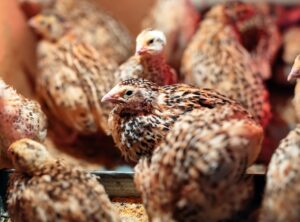
Japanese quail (Corturnix corturnix japonica) are the smallest farmed birds and contribute to approximately 10% and 0.2% of the global table egg and meat markets. Rosie Whittle, PhD, discusses housing, management and key welfare issues associated with farming these birds.

[random-sponsor]