

Dozier: Feed management of broiler breeder males in the lay cycle
By W. A. Dozier, III, PhD
Department of Poultry Science
Auburn University and
Alabama Cooperative Extension System



By W. A. Dozier, III, PhD
Department of Poultry Science
Auburn University and
Alabama Cooperative Extension System
A broiler-immunization program centered on a live monovalent vaccine containing the Georgia 08 (GA08) serotype of infectious bronchitis virus (IBV) is showing benefits to protect broilers against the Delmarva/1639 (DMV/1639) serotype of IBV.

A study evaluated whether Eimeria oocysts are present in the fecal material in feed lids and if the oocysts serve as an infection source to chicks.
USDA has given Boehringer Ingelheim the green light to import TUR-3, a killed vaccine currently licensed for use throughout Europe for Newcastle disease, avian paramyxovirosis type 3 and turkey rhinotracheitis.

Blue light reduces fear and stress in birds while also improving their vision yet it does not appear to significantly affect production parameters, according to researchers. But will farmers be interested in using blue light?
Artificial intelligence is rapidly becoming widely used across various fields and could be a transformative tool for enhancing poultry management practices.

At the 2024 Poultry Science Association meeting, Molly Lobel, PhD, and her team at the University of Kentucky presented their findings from a study involving feeding mycotoxin-contaminated corn fines to broilers and exposing the birds to heat stress.

By Tom Tabler, PhD
Professor, Extension Poultry Specialist
University of Tennessee Extension Service/Animal Science Department
Middle Tennessee AgResearch and Education Center
Spring Hill, Tennessee

The trend toward reducing or eliminating antimicrobial use in broiler production has led to an increased incidence of necrotic enteritis, resulting in the need for alternative intervention strategies, such as vaccination, to control NE.
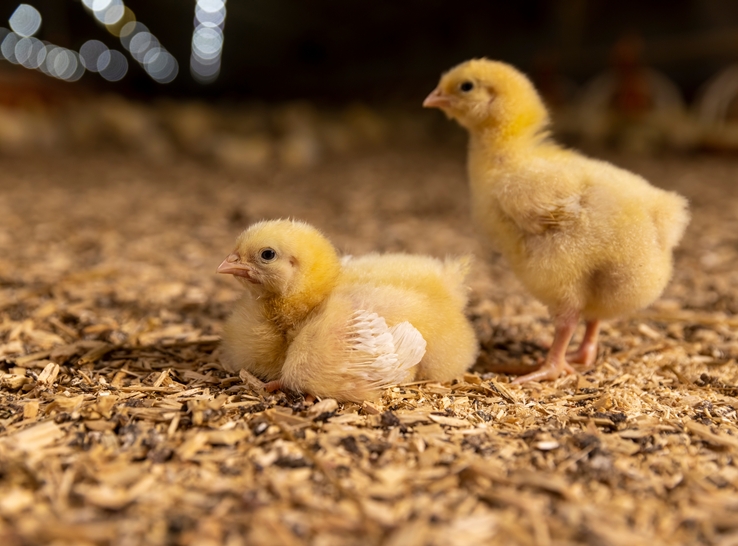
Providing chicks a dark period from the time of placement in the broiler house is practical and affordable for broiler producers and has no apparent negative effects on broiler performance, according to research conducted by Garret Ashabranner, PhD; Brian Fairchild, PhD; and Michael Czarick, engineer at the University of Georgia.

Advanced microbiome analysis using non-lethal sampling and machine learning can guide changes on broiler farms that lead to earlier gut maturation in birds and performance gains, according to research using the technology with multiple flocks.
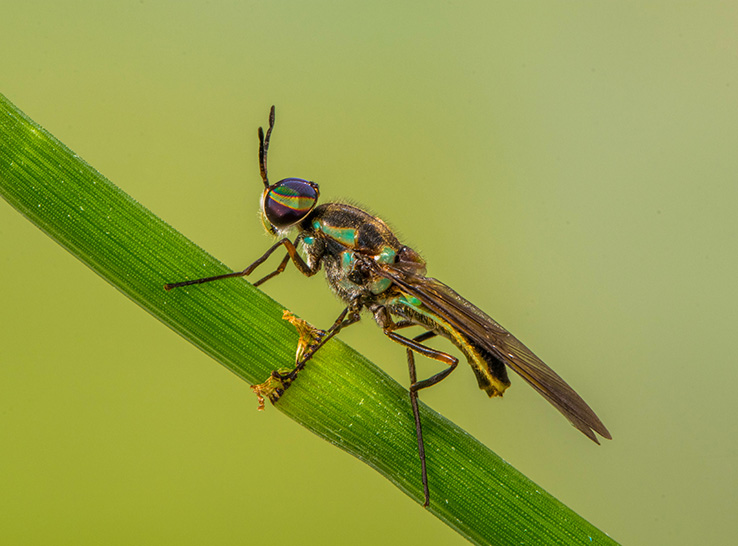
Black soldier fly is increasingly well-known as a sustainable alternative protein. But frass, a byproduct of producing meal from the insect, could also offer an option for feeding growing broilers.