


Schat: Add the thymus to post-mortems for a thorough exam
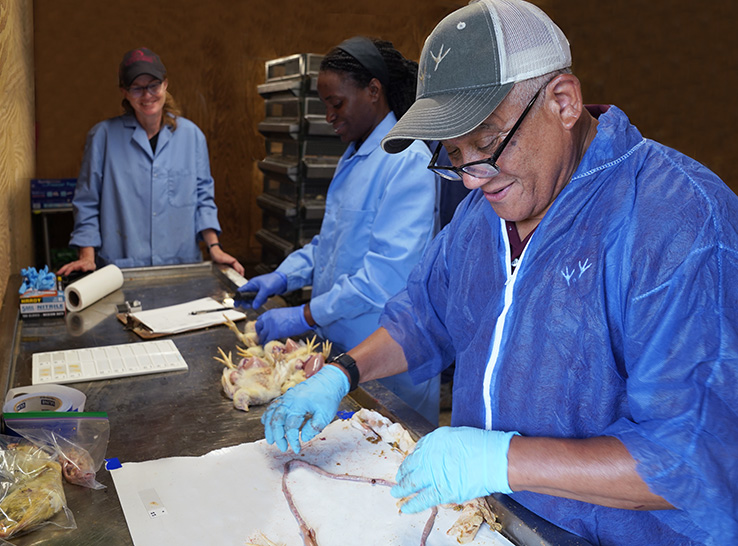
Post-mortem examinations are essential for maintaining a comprehensive, targeted flock-health program. But when it comes to managing viral diseases, is it enough to look at the bursa?



Post-mortem examinations are essential for maintaining a comprehensive, targeted flock-health program. But when it comes to managing viral diseases, is it enough to look at the bursa?

Novel disinfection strategies — electrostatic disinfection (ED) and cold fog (CF) disinfection — could help improve hatchability, reduce chronic respiratory disease (CRD) incidence and improve overall health outcomes for poultry, according to a recent Poultry Science report.
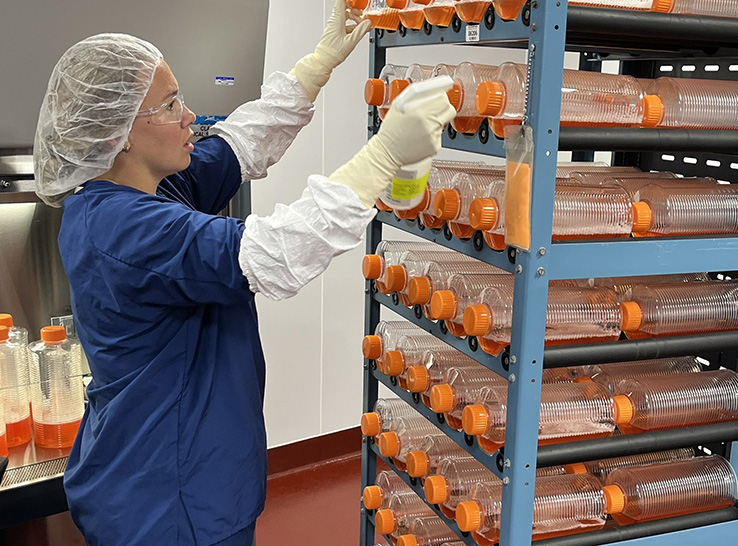
Ceva Animal Health has started antigen production for an experimental autogenous vaccine to fight the emerging avian metapneumovirus (aMPV) disease.
The global poultry industry spends billions of dollars annually to help ensure flock health, welfare, efficiency and performance. Faced with rising costs, a major US poultry company recently partnered with Ancera to monitor the effectiveness of its program for controlling coccidiosis.
Merck Animal Health reports that the USDA has approved the manufacturing and sale of Cambridge Technologies’ experimental autogenous vaccine in the US for the emerging and deadly avian metapneumovirus type B, impacting broilers, broiler breeders, layers and turkey breeders.

When weekly mortality rates in layer flocks older than 50 weeks start creeping up over 0.3%, producers and veterinarians should be suspicious. According to Eric Gingerich, DVM, Cargill’s Diamond V, these numbers could indicate the presence of Escherichia coli.

Coccidiosis and histomoniasis are ubiquitous problems for poultry producers. Recent studies have suggested that using a blend of plant extracts could help reduce symptoms of infection and improve production outcomes.

The message is clear and one that Daral Jackwood, PhD, The Ohio State University, has delivered for years: Young chickens need maternal immunity to protect them from immunosuppression and secondary diseases caused by infectious bursal disease.
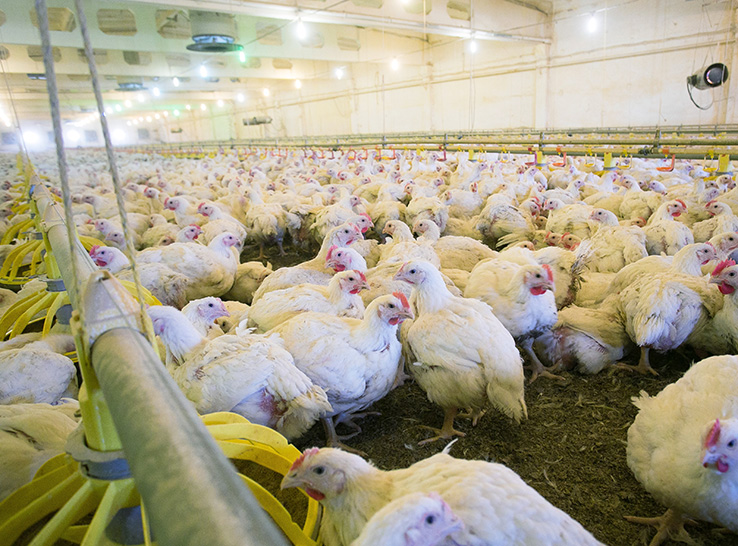
With a price tag of over $1 billion for indemnity payments, the current outbreak of highly pathogenic avian influenza (HPAI) is expensive. Is premise depopulation still the way to manage HPAI?

A dual case of Mycoplasma gallisepticum and Mycoplasma synoviae in a broiler breeder flock in northeast Georgia exposed expensive biosecurity shortfalls of which producers should take heed.
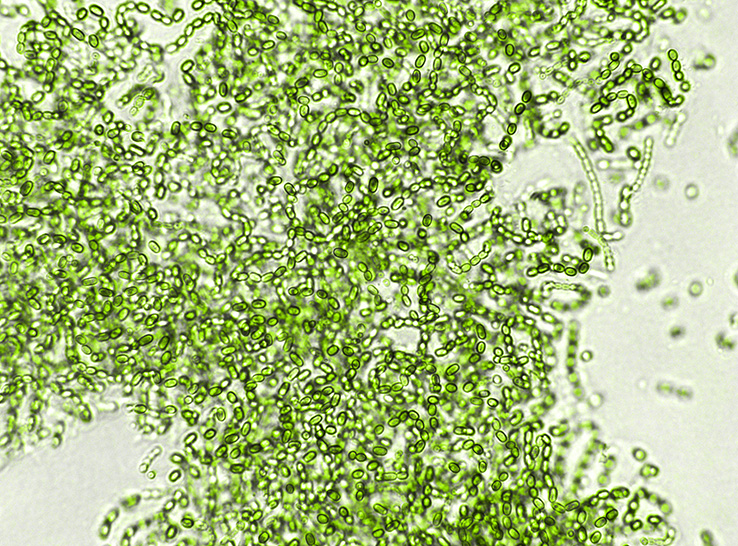
Broilers fed a microbial supplement of four probiotic strains had a lower incidence of Salmonella and higher expression of proteins associated with immunity, according to research presented at the 2024 IPSF by Kevin Bolek, PhD, microbials innovation director for Phibro Animal Health.
A sharper focus on minor coccidiosis species may be the key to improving management of this persistent parasitic disease and improving gut health, feed conversion and flock performance.