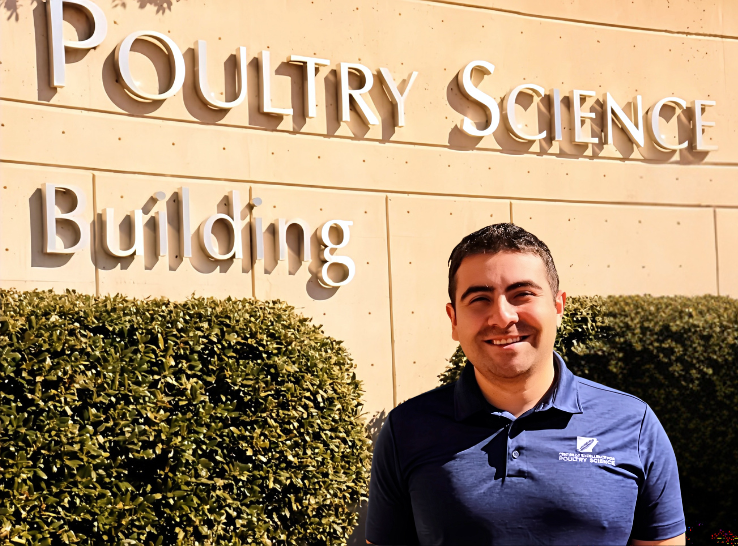


Purdue scientist: ‘Putting the pieces together’ on hen welfare
Increased attention on animal welfare is driving the US poultry industry to innovate and work collaboratively to meet rising expectations of caring for laying hens.



Increased attention on animal welfare is driving the US poultry industry to innovate and work collaboratively to meet rising expectations of caring for laying hens.
By Michael Czarick
Extension Engineer – Poultry
University of Georgia
Department of Poultry Science

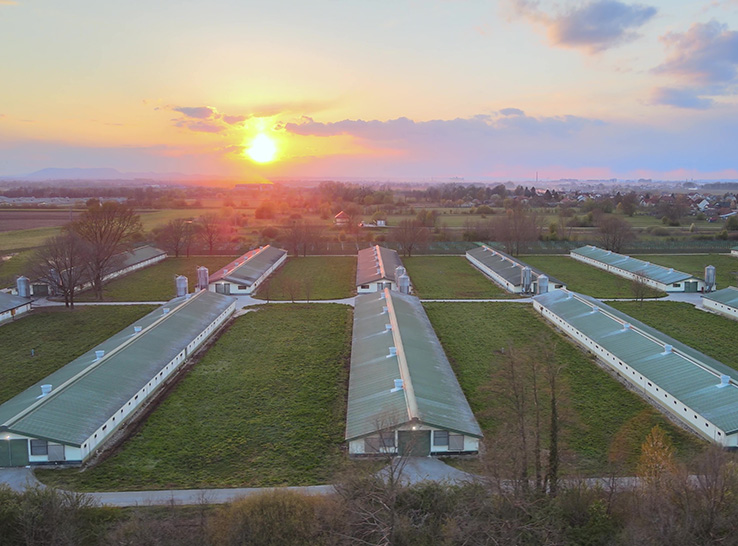
The move to cage-free egg production has spawned a new generation of aviary systems available for hen housing. The question now is how well the new systems perform when balancing egg production and profitability with bird welfare.
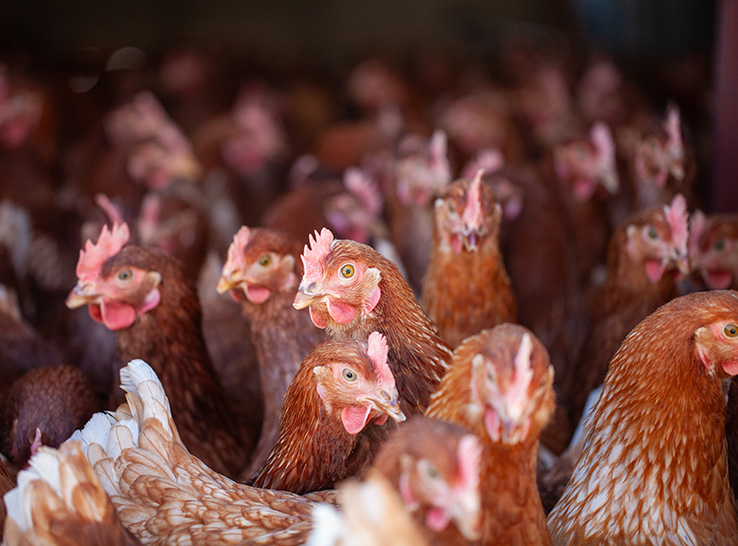
Lighting has emerged as one of the most powerful tools to manage and optimize layer performance. It profoundly impacts production, health and overall welfare.
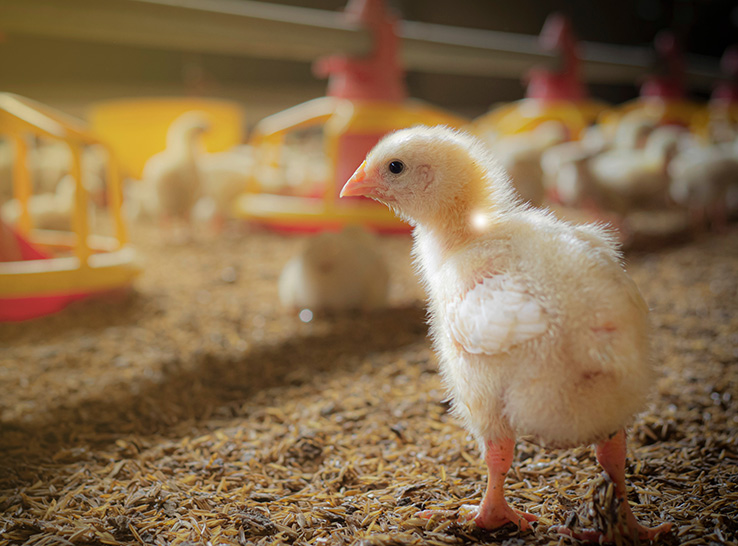
Litter and its management are an essential part of bird management and ensuring bird welfare. Dr. Bethany Baker-Cook discusses the importance of managing litter properly throughout the production cycle.

A study evaluated whether Eimeria oocysts are present in the fecal material in feed lids and if the oocysts serve as an infection source to chicks.
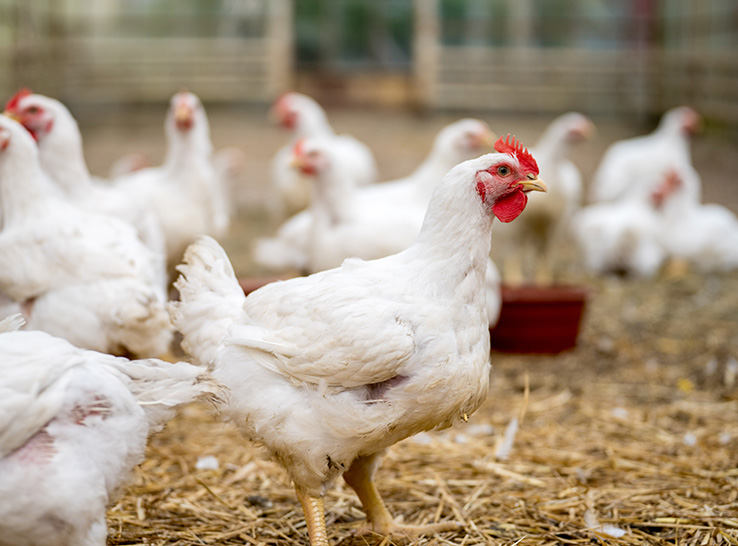
The recent shift to cage-free production has led to more problems with internal parasites and coccidiosis, explains Kenneth Anderson, MS, PhD, North Carolina State University, in a Q&A sponsored by Cargill Animal Health.

Blue light reduces fear and stress in birds while also improving their vision yet it does not appear to significantly affect production parameters, according to researchers. But will farmers be interested in using blue light?
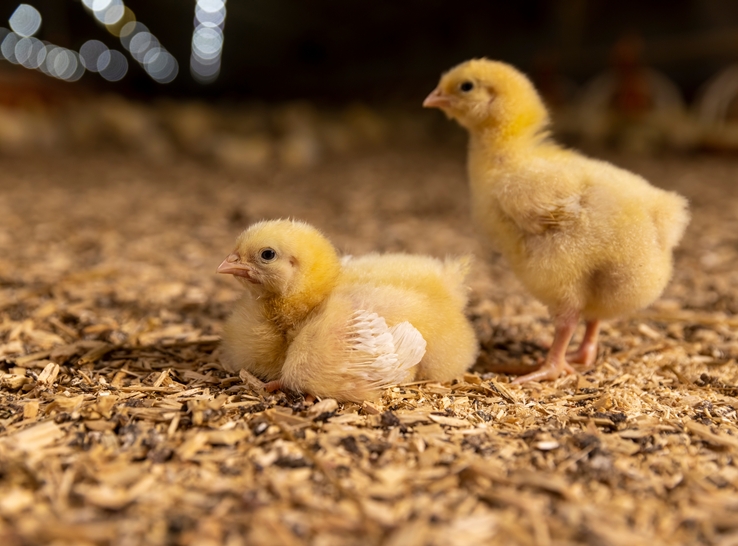
Providing chicks a dark period from the time of placement in the broiler house is practical and affordable for broiler producers and has no apparent negative effects on broiler performance, according to research conducted by Garret Ashabranner, PhD; Brian Fairchild, PhD; and Michael Czarick, engineer at the University of Georgia.
By Michael Czarick
Extension Engineer – Poultry
University of Georgia
Department of Poultry Science

Lighting, among other factors like feeding and ventilation, plays a critical role in the growth and behavior of poultry and should be given careful consideration. Gabrielle House, PhD, ONCE by Signify, discusses the four main factors to consider when selecting which light source is best for your poultry house.
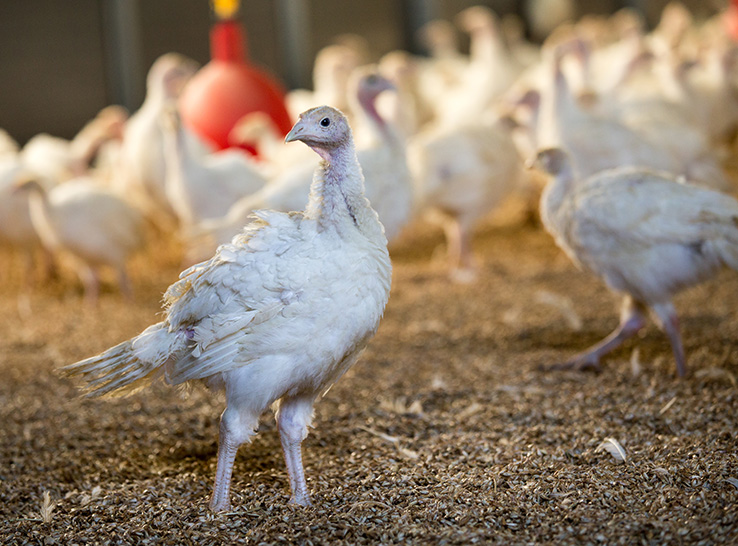
Gangrenous dermatitis is a major commercial turkey-production disease, causing significant economic losses annually from increased bird deaths and condemnations at the processing plant. Can a litter amendment impact the spread of this bacteria?