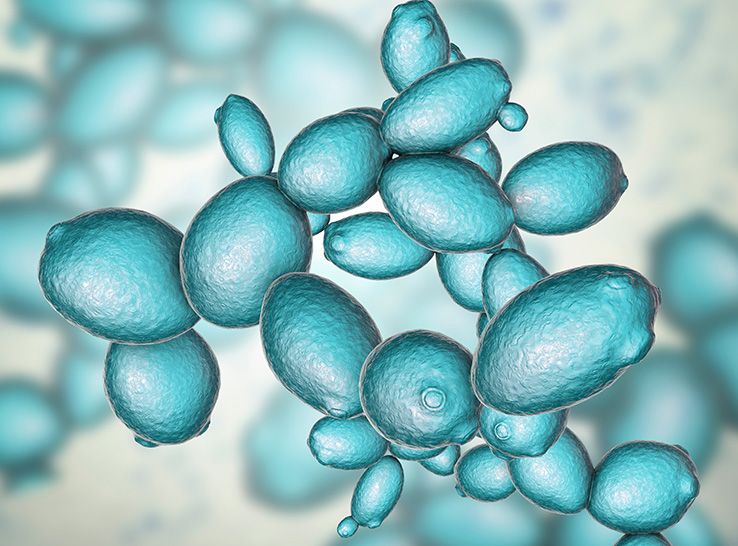

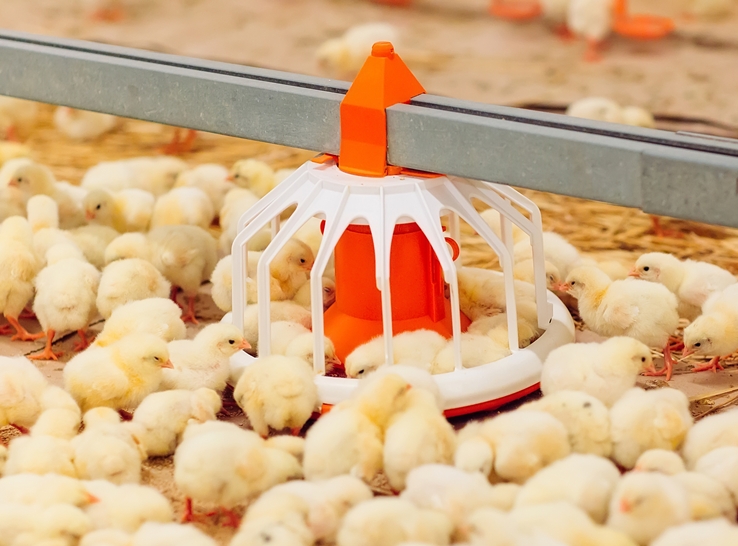
Probiotics have the power to boost chick immunity before hatch
By Shreeya Sharma
Graduate research assistant
Department of Animal and Veterinary Sciences
Clemson University

By Shreeya Sharma
Graduate research assistant
Department of Animal and Veterinary Sciences
Clemson University

Feed additives, which facilitate nutrient transport in birds, can help producers counter the rising costs of energy sources in poultry diets and loss of resources resulting from the competition for these ingredients. Emulsifiers could be a promising option here.

By Jennifer Irwin
North Carolina State University College of Veterinary Medicine

By Matthew J. Hardy, MSc
AgriNerds – Co-owner, Waterfowl Biologist and Co-director of Ecological Modeling
Chester County, Pennsylvania

A new in ovo sexing technique with a modified genetic trait to hatch only female chicks may someday help eliminate the culling of day-old male chicks. According to developer and embryologist Yuval Cinnamon, PhD, the genetically based solution offers many benefits over the other technologies currently on the market.

A joint research study conducted by the USDA and North Carolina State University researchers demonstrated that the type of housing system used for laying hens can influence levels of human pathogenic Salmonella in their organs.

Beak trimming is common in the management of laying hens, involving the removal of a portion of a bird’s beak to minimize harmful behaviors. While beak trimming helps reduce injuries among birds, the technique has also raised animal welfare concerns. Thus, farmers and researchers are continuing to explore ways to manage hens without the need to trim their beaks.

By Matthew J. Hardy, MSc
AgriNerds – Co-owner, Waterfowl Biologist and Co-director of Ecological Modeling
Chester County, Pennsylvania

Coccidiosis doesn’t just lurk in poultry houses — it thrives there. For decades, producers have relied on synthetic anticoccidials and ionophores to keep it in check. But with growing resistance and increasing pressure to reduce antibiotic use, more operations are turning to vaccination as a sustainable, effective alternative.

Campylobacter hepaticus has been identified as the causative agent in spotty liver disease, so when Roel Becerra, DVM, received a phone call from a producer that had free-range, antibiotic-free, brown layer hens with SLD, he and fellow investigators decided to study chlorine as a possible treatment.

Providing the proper stocking density to maximize broiler productivity, welfare and profitability is a balancing act. Because the birds grow dramatically in just a few weeks, space and environmental demands continuously evolve.

Reducing dietary calcium concentrations in broiler diets can increase calcium and phosphorus digestibility, but deviating from recommended levels can come with costs, according to the results of an Auburn University study.