
Salmonella framework withdrawn! Now what?
By Douglas L. Fulnechek, DVM
Senior public health veterinarian
GTS Health (formerly Gaydos Technical Services)



By Douglas L. Fulnechek, DVM
Senior public health veterinarian
GTS Health (formerly Gaydos Technical Services)

What are the top priorities when it comes to poultry management? Brian Fairchild, PhD, professor and Extension poultry specialist at the University of Georgia, discussed his top seven considerations for effective poultry management during a recent Poultry Science Association webinar.
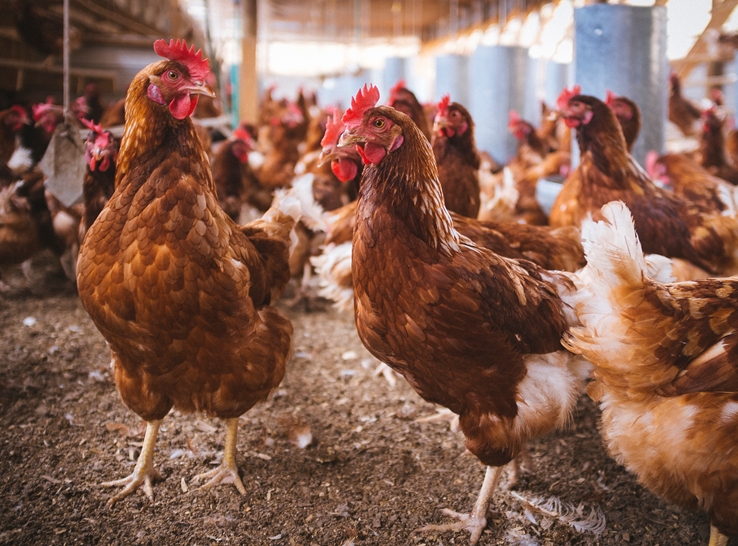
While some mortality is expected in all layer flocks, regardless of the housing type or breed, the rate and causes can vary depending on the production system. Cage-free systems may not inherently have higher mortality than cages and experience in managing birds in cage-free systems plays a big role in maintaining low mortality.
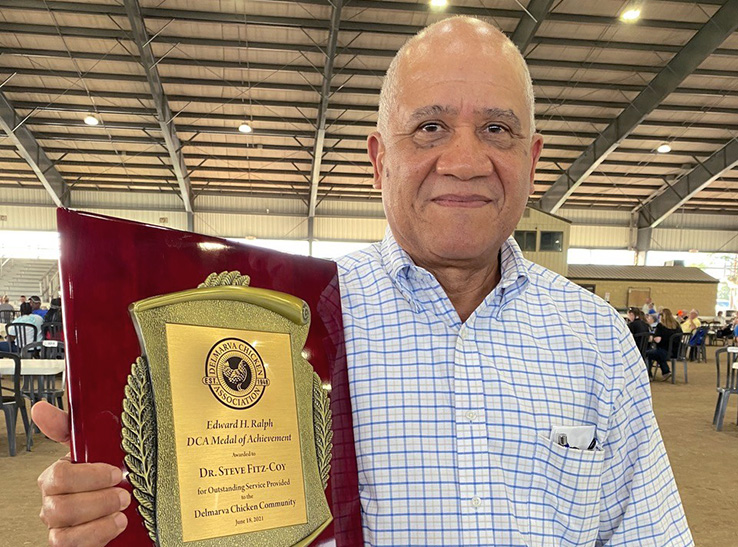
Coccidiosis guru Steve Fitz-Coy, PhD, started his career in the early 1980s. Some 40 years later, coccidiosis continues to be one of the most common and costly diseases of poultry worldwide. And Fitz-Coy, a poultry scientist at Merck for the past 24 years, is still the go-to guy when an outbreak is suspected.

Recently, Campylobacter hepaticus was identified as the causative agent for chicken spotty liver disease (SLD), an illness which manifests as acute infectious hepatitis and causes a significant drop in egg production and high mortality in layer chickens. Researchers from Iowa State University, led by Orhan Sahin, DVM, PhD, are studying Campylobacter bacterins in the control of SLD.

Poultry farmers face major challenges finding and disposing of mortalities on the farm, but a commercial manufacturer has created a mobile robotic system equipped with multiple cameras that traverses the ceiling to identify mortalities in the barn. Tanner Thornton, University of Tennessee, described a test of the system at the 2025 IPPE.
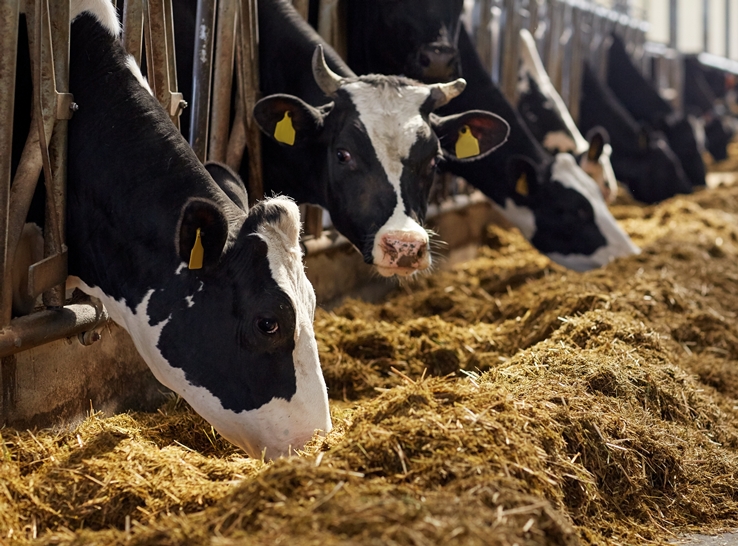
Waiting for the H5 influenza outbreak to slow down in dairy cattle is no longer enough for the AAAP and PSA. The two groups teamed up to push for more action to help the dairy industry address its growing outbreak of highly pathogenic avian influenza. In PSA’s Unplucked podcast “H5 Influenza Uncovered” veterinarians from both organizations discussed this topic.

Culling day-old male chicks from egg-laying hens is an on-going dilemma for the global poultry industry, resulting in the culling of 7 billion male chicks annually. At the 2025 International Poultry Scientific Forum, Yuval Cinnamon, PhD, outlined the work his research team has done on the Golda hen and optogenetics — a blue-light treatment — to halt the development of male chicks and thereby the need for culling.
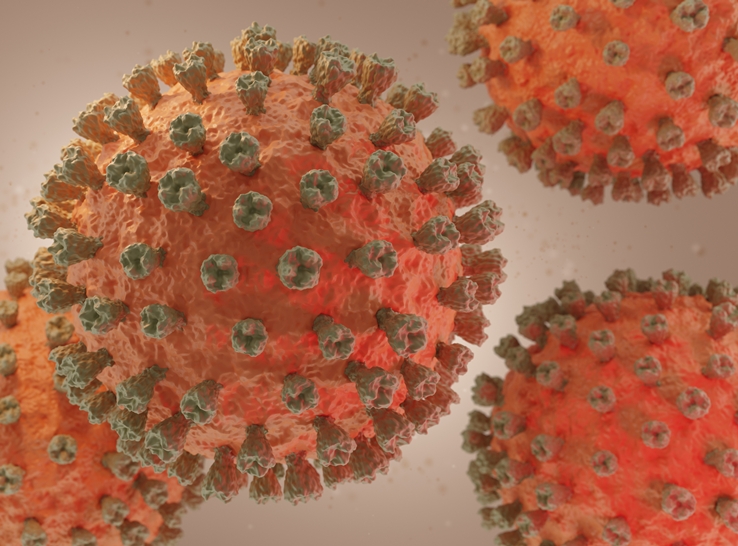
In response to the ongoing H5N1 avian influenza outbreak and questions surrounding the use of vaccination to control the disease, several experts from the American Association of Avian Pathologists (AAAP) created a fact sheet on H5N1.
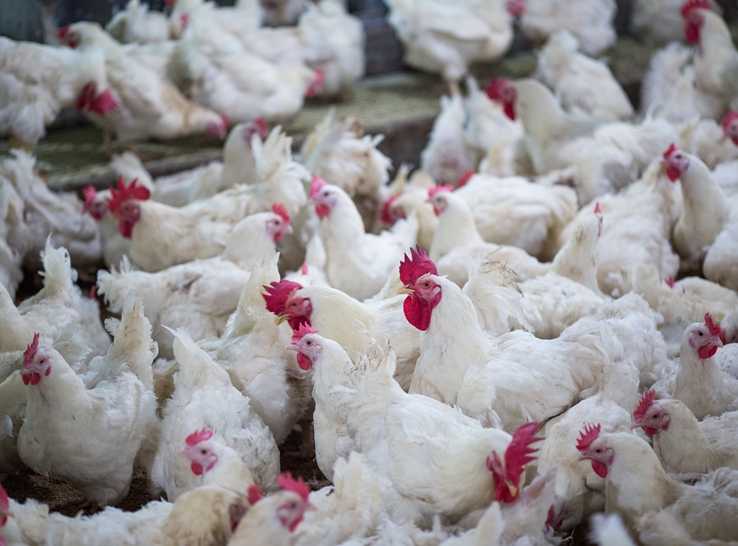
As poultry companies weigh cost and efficiency with higher animal welfare standards, research comparing conventional and slow-growing broiler breeds showed that the slow-growing chickens displayed behaviors more closely associated with positive welfare.

University of Georgia researchers, led by Maricarmen Garcia, PhD, have developed a new genotyping assay for analyzing clinical samples of infectious laryngotracheitis virus (ILTV). Identifying the genotype of the outbreak-related virus and determining its genetic relationship to field or vaccine strains is key to diagnosing ILTV.

Coccidiosis ranks in the top 10 poultry health concerns worldwide, and the cost of its control can be significant. Kayla Price, PhD, poultry technical manager, outlined points to consider and how to build an arsenal of alternative products to manage coccidiosis in poultry flocks.