
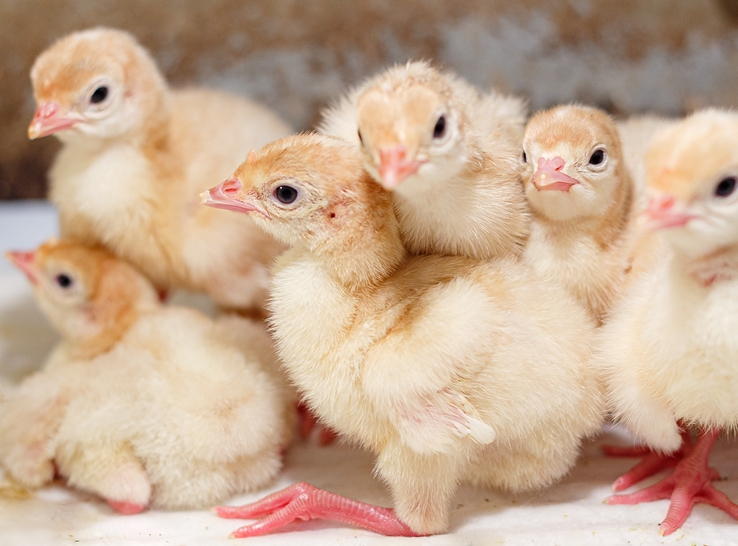
Access to feed, water in hatchery improves poult cocci shedding

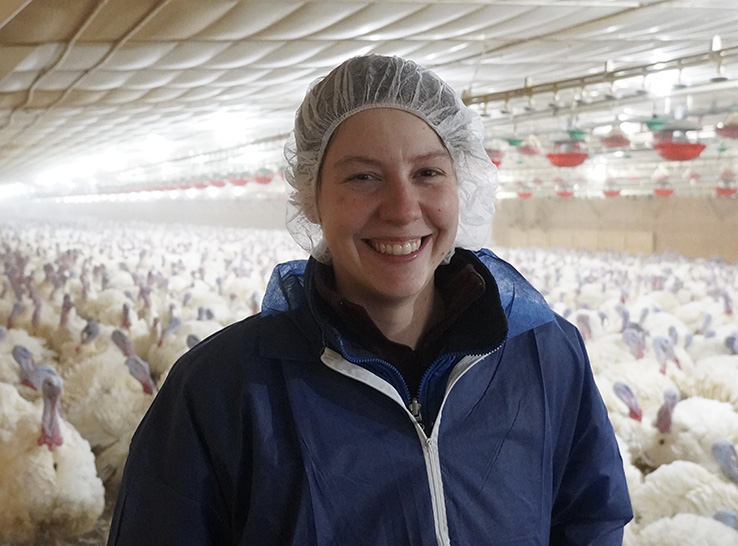
The latest technology providing access to feed and water in hatcheries could change how vaccinations and other general practices are conducted. Katherine Schaefbauer, Jennie-O Turkey Store, led a research trial with a coccidiosis vaccine administered to fed and non-fed turkey poults in the hatchery, and presented the results at the 2025 AAAP Meeting.

Credit: W. Dier

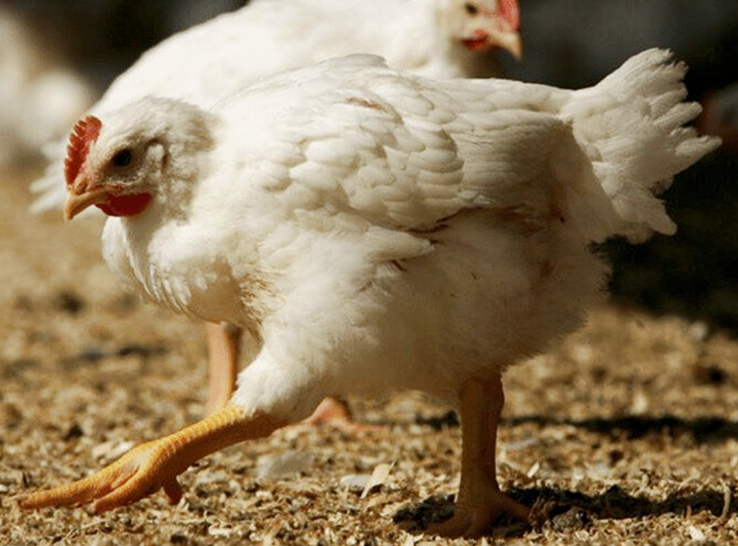
Lameness and gait assessment of poultry

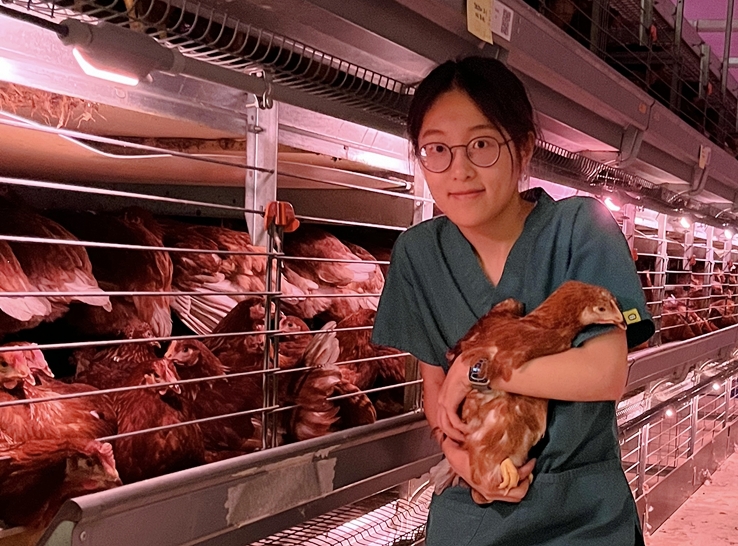
Lameness in poultry, characterized by impaired mobility or abnormal gait, is a major concern in fast-growing birds such as broilers and turkeys. Intensive genetic selection for rapid body weight gain and increased breast muscle mass can result in disproportionate growth between the muscular and skeletal systems, predisposing birds to locomotor problems. Stephanie Kulbacki, University of Georgia, provides an overview of lameness and ways to assess gait.

Vaccination improves livability and performance in commercial flocks affected by necrotic enteritis

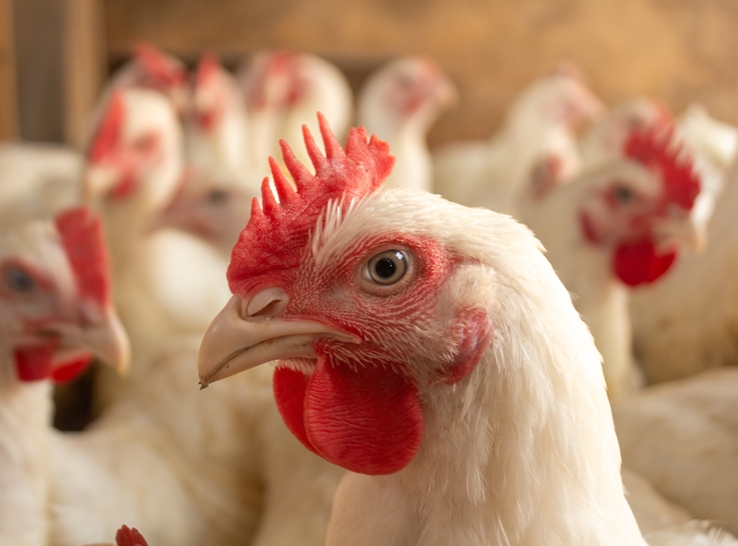
Commercial trials have demonstrated the efficacy of Avert® NE from Huvepharma against necrotic enteritis in commercial broiler facilities. David Smith, DVM, MS, director of poultry technical services at Huvepharma discussed these trials, which evaluated livability and zootechnical performance of birds given the vaccine, pointing to improvements in vaccinated flocks compared to unvaccinated birds.

Addressing mycotoxins in poultry feed requires a broad approach

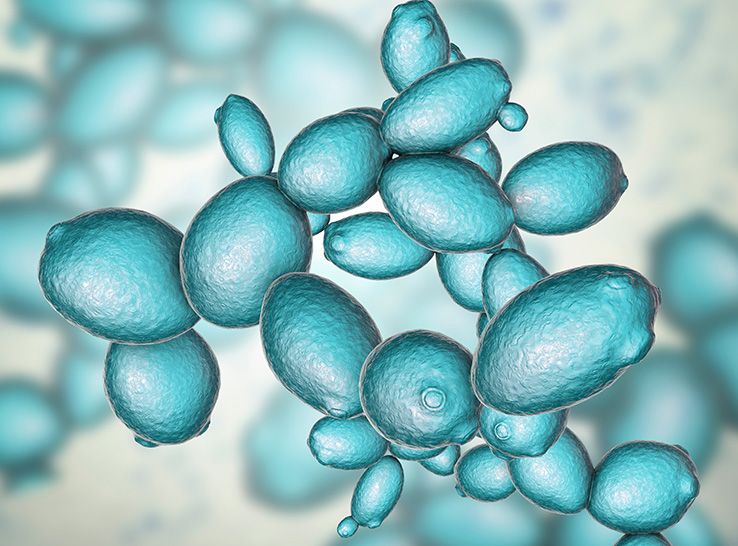
In a Poultry Science Association webinar, Todd Applegate, PhD, assistant dean for international programs and department head of poultry science at the University of Georgia, shared his findings of a literature review on mycotoxins and discussed future research needs.

Taking out the guesswork to cut winter infectious bronchitis virus outbreaks

Jose Linares, DVM, a diagnostician and technical services veterinarian at Ceva Animal Health, said pre-winter surveillance – including reverse transcription quantitative polymerase chain reaction (RT-qPCR) testing, sequencing and processing-age serology – can help veterinarians and producers validate current IBV immunization strategies and ensure they are relevant and effective.