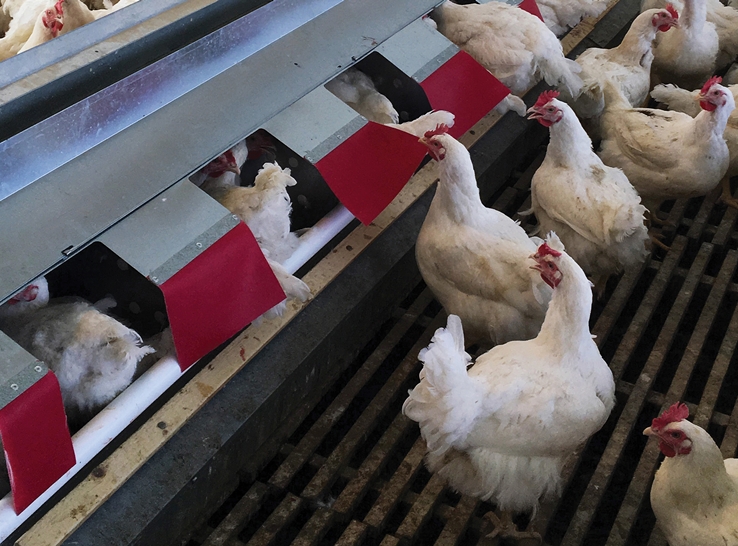





Enterococcus faecalis, alone or in combination with other bacteria such as Escherichia coli, is responsible for up to 50% of embryo and early chick losses in commercial poultry production. Complicating this challenge is the fact that Enterococci exhibit significant multidrug resistance, making conventional antibiotic treatment problematic.
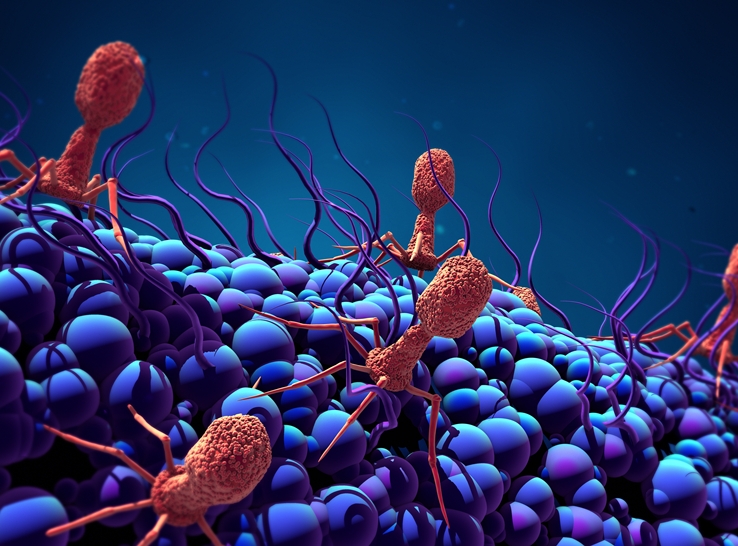
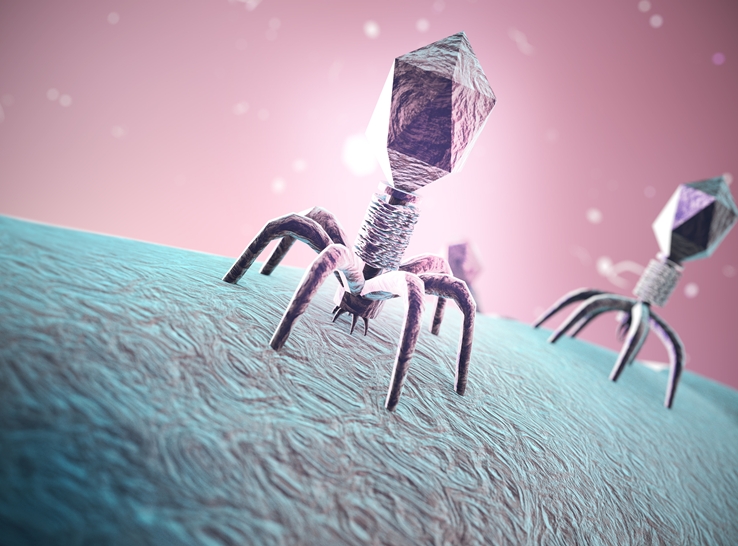
“Bacteriophage therapy offers a promising alternative, using viruses as biocontrol agents to target and destroy specific pathogenic bacteria,” said Alba Frias-De-Diego, PhD, assistant biology professor at Tennessee Technological University. “Enterococcal phages have been used for more than 70 years, particularly to treat infections caused by highly resistant bacteria.”
Among other advantages, phages are incredibly specific, beyond species to the point of a strain, and they are quantifiable. “Once you know which section of your phage the specific bacteria recognize, it will target that bacteria,” Frias-De-Diego noted.
She presented the preliminary findings of a study conducted in cooperation with North Carolina State University at the 2026 International Poultry Scientific Forum.
Isolating and evaluating phages
Frias-De-Diego and the team focused on two questions:
- Can strain-specific phages against faecalis be isolated from poultry bedding?
- Do the genomes of those phages differ from those of other phages that have been isolated against the same bacteria?
The research team collected litter samples from five broiler houses and used a phage assay to isolate strain-specific bacteriophages from 24 samples. The isolated phages demonstrated high lytic activity, she pointed out.
Lytic activity involves taking over the host bacterium’s machinery to produce new phage particles. This process culminates in the lysis, or destruction, of the host cell by rupturing the cell wall or membrane.
Testing showed no cross-reactivity between the isolated E. faecalis phages and other bacteria such as Staphylococcus aureus, E.coli or Pseudomonas, indicating a narrow host range, Frias-De-Diego said.
“We didn’t see that our particular cocktail caused any lysis whatsoever against all the species or against other strains,” she added.
The researchers also screened each isolated phage against different strains of E. faecalis to ensure specificity. They sequenced the whole genomes of the phages and compared them to other sequences in the National Center for Biotechnology Information to classify and identify variant regions with the previously described phages.
More to come
Although the study provided some insights into the application of phages against E. faecalis, there is more to come.
“Unfortunately, the sequencing is taking longer than expected, so I cannot offer the final results yet,” Frias-De-Diego said. “We plan to keep isolating bacteriophages from E. faecalis from different strains and continue the whole-genome sequencing to isolate and identify genomic differences that make phages specific for the targeted strain.
“Hopefully, we will be able to modify that section of the phage to further target specific strains.”
The team is also trying to isolate phages against E. cecorum. “We just started this, so it’s a work in progress. But we are optimistic that we will be able to find something,” she added.
So far, the team has concluded that the data indicate high-titer, lytic activity of phages isolated from poultry litter against E. faecalis.
“These findings provide a strong basis for further investigation into the therapeutic use of these phages to control E. faecalis and potentially lead to reduced bird mortality in commercial poultry operations,” Frias-De-Diego noted.