

Swans and poultry disease: tracking migration timing, HPAI risk
By Matthew J. Hardy, MSc
AgriNerds – Co-owner, Waterfowl Biologist and Co-director of Ecological Modeling
Chester County, Pennsylvania

By Matthew J. Hardy, MSc
AgriNerds – Co-owner, Waterfowl Biologist and Co-director of Ecological Modeling
Chester County, Pennsylvania

Conducting in-lay boosting of adult, organic, free-range laying hens with a Pasteurella multocida vaccine protected against fowl cholera with minimal impacts on production, according to a study conducted by Luke Trimble, DVM, Wilson Vet Co.

Known for high mortality and low morbidity, gangrenous dermatitis (GD) continues to evade answers as researchers investigate potential stressors that trigger an outbreak. Matthew Jones, DVM, Southern Poultry Research Group led a panel of poultry professionals that included Don Ritter, DVM, Chuck Hofacre, DVM, Mark Burleson, DVM, and Carrie Cremers, DVM, to discuss field experiences that helped control GD.

Eric Shepherd, DVM, MS, MAM, DACPV, poultry veterinarian, and Brian Fairchild, PhD, Extension Poultry Scientist and Professor, University of Georgia Department of Poultry Science, recently offered practical advice for reducing disease risk in poultry environments. Both spoke in a webinar sponsored by the Poultry Science Association and American Association of Avian Pathologists.

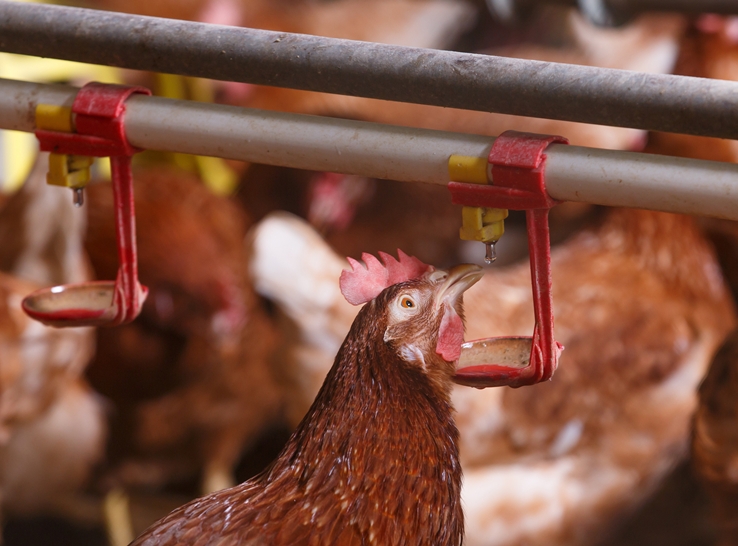
When it comes to drinking water for poultry, Susan Watkins, PhD, has a lot to say. Most important: Don’t neglect it. At the Devenish Symposium held during the 2025 PEAK conference, Watkins, a consultant and distinguished professor emeritus at the University of Arkansas, offered practical advice for keeping poultry water clean.

The shift to cage-free layer housing opened the door to poultry diseases that disappeared during the years of cage housing. At the Devenish Symposium held during the 2025 PEAK conference, Dan Wilson, DVM, Wilson Vet Co., discussed the return of several diseases from the past that affect today’s egg layers.

Abstracts & Posters, a new editorial section on Modern Poultry featuring research presented by industry scientists at major poultry conferences, is now available to readers.

Layer hens in cage-free housing systems have freedom of movement, but they also encounter high levels of dust and airborne bacteria. Feed, litter, manure and bodily shedding all contribute to dust within the rooms, which challenges the hens’ health and well-being. Could spraying acidic electrolyte water on the litter floor be a solution?

By Kay Russo, DVM, MAHM, DACPV
RSM Consulting

Bird health and production are significantly impacted by air quality, humidity and temperature. Mechanical ventilation systems play a crucial role in maintaining indoor air quality and disease control, but the current systems have limitations, particularly in caged-layer facilities. Researchers from The Ohio State University have designed an innovative ventilation system that addresses health and heat concerns.

By Tanner Thornton, MS
Graduate Research Assistant, University of Tennessee
Knoxville, Tennessee

In the highly automated world of poultry production, precision livestock farming (PLF) technology to monitor birds in real time can be used to improve their health, welfare and efficiency. But there are limitations to this technology.