
Managing feed, water critical for coccidiosis vaccination success

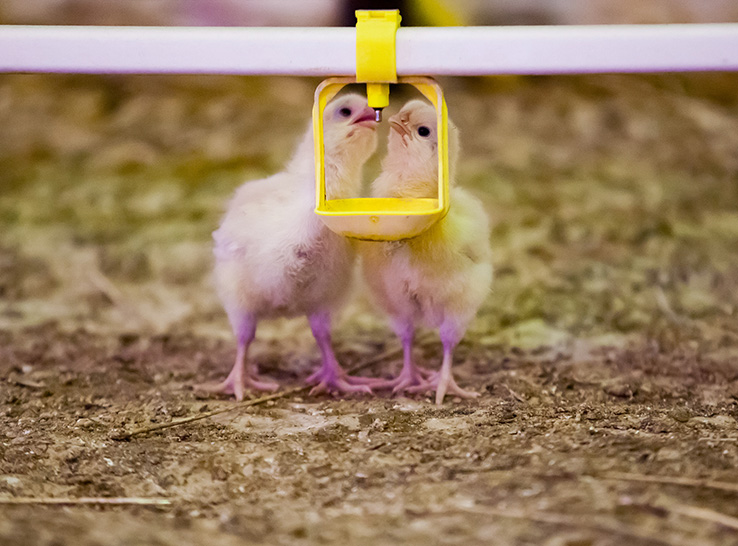
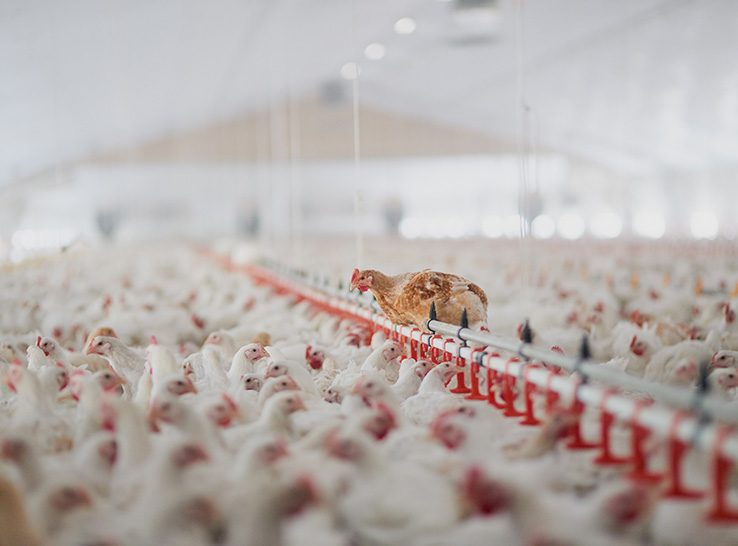
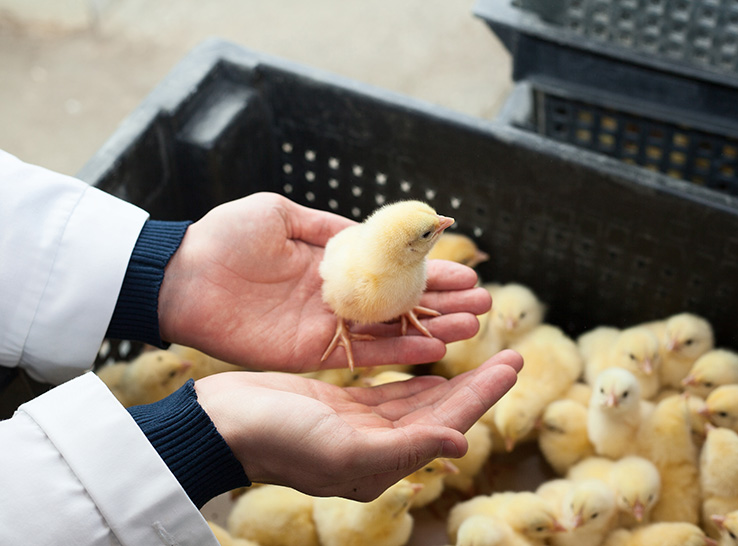
Getting chicks off to a quick start in the brooder house is always a priority, but it is especially critical when birds have been vaccinated for coccidiosis.


Getting chicks off to a quick start in the brooder house is always a priority, but it is especially critical when birds have been vaccinated for coccidiosis.
While most chicks are vaccinated for coccidiosis at the hatchery, it’s the first few weeks in the grower barn that determine coccidia exposure, cycling and eventual immunity.
Developing a recombinant vaccine that protects against infectious bursal disease plus two other viral bugs – infectious laryngotracheitis and Marek’s disease – may sound simple on paper. But in the world of vaccine development, 1 + 1 doesn’t necessarily equal 2.
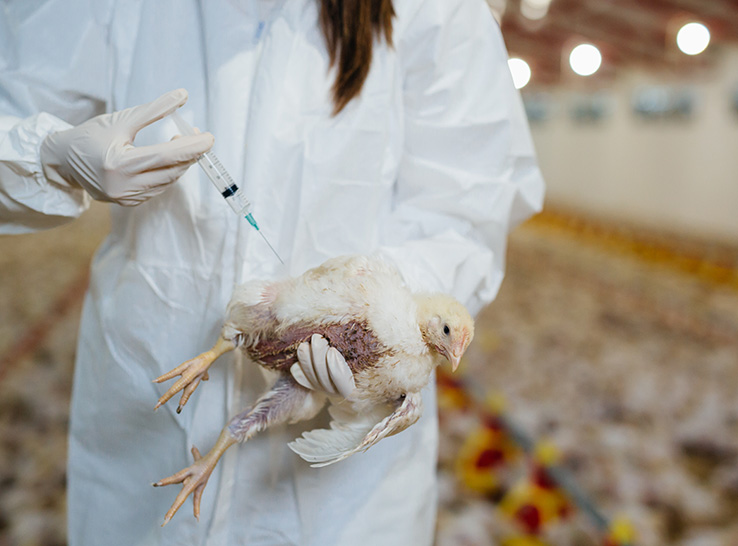
Most poultry producers today use vaccines to help manage coccidiosis. Live coccidial vaccines are designed to uniformly infect birds with a controlled number of Eimeria oocysts to stimulate a protective immune response, but not all vaccines are the same.
Poultry farms seeking protection against infectious laryngotracheitis (ILT) outbreaks may find the best defense for layers and broiler-breeder replacement birds is a dual ILT vaccination program.
Merck Animal Health has entered into an agreement with Cambridge Technologies, an independent custom vaccine company based in Worthington, Minnesota, to sell and market its innovative autogenous poultry vaccines in the US.
Merck Animal Health has introduced FLOCKSECURE™ poultry health portal, an innovative web-based platform solution designed to capture, maintain, distribute and analyze data from post-mortem sessions.
Fowl cholera is a bacterial disease of poultry that commonly affects chickens around 15 weeks of age and older, but it can impact birds as young as 6 weeks, cautions Charlie Broussard, DVM, Merck Animal Health.
Merck Animal Health has introduced Innovax®-ILT-IBD, a vaccine that provides combined protection and immunization against Marek’s disease (MD), infectious laryngotracheitis (ILT) and infectious bursal disease (IBD) in a single injection.
Vaccination is key to managing fowl cholera in poultry. For a program to be successful, however, it’s critical to train vaccination crews to monitor vaccine “takes” or major cutaneous reactions within a flock — no easy task with today’s employee shortages and rotating vaccination crews.
Since it was first isolated in broiler flocks on the Delmarva Peninsula, the latest mutation of infectious bronchitis virus (IBV), DMV/1639, has spread through the eastern seaboard of the US and west toward Mississippi and Texas.
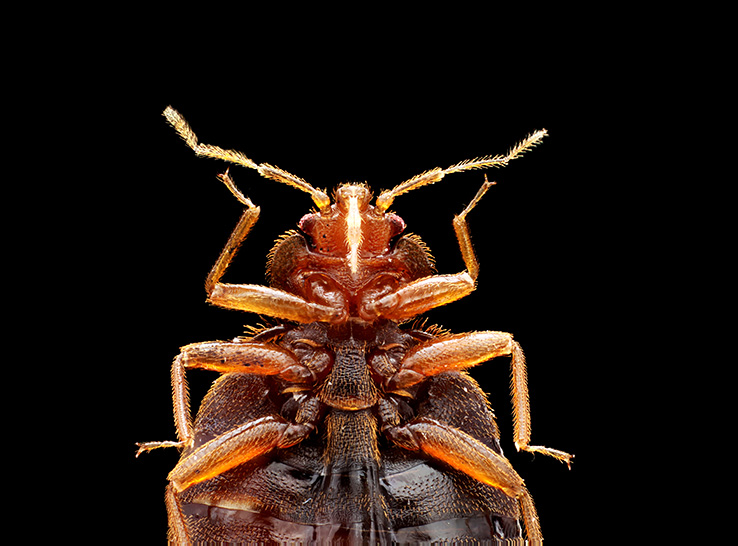
There are many pests and pathogens to monitor on poultry farms, but bed bugs typically aren’t top of mind. Nevertheless, bed bug infestations have been resurfacing in US poultry farms. Does that present a health, performance or welfare problem for flocks?