

Smart use of chemical anticoccidials means there’s no need to fear resistance

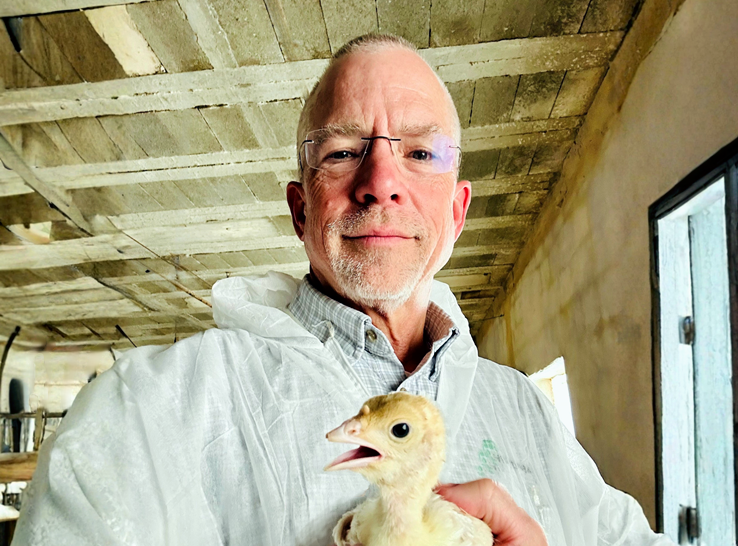
Turkey producers should not avoid using chemical anticoccidial products for fear of resistance, but they do need to use them strategically. In an appearance on the Iowa Turkey Federation’s Turkey Talkshow podcast, Steven Clark, DVM, Huvepharma’s veterinary technical services manager, said new evidence suggests there is “minimal risk” with common products, providing farmers rotate when necessary.

Video: Tips for managing blackhead disease in poultry flocks

Emily Kimminau, PhD, technical service manager at Merck, says the loss of effective in-feed treatments to control blackhead means the disease — which can reduce performance, increase mortality and drive secondary infections — has seen a resurgence in U.S. flocks.

Examining feeding restrictions through a welfare lens

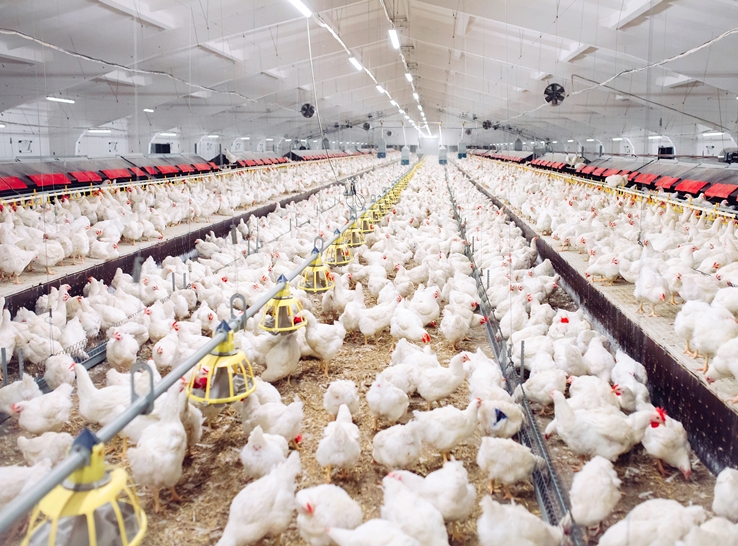
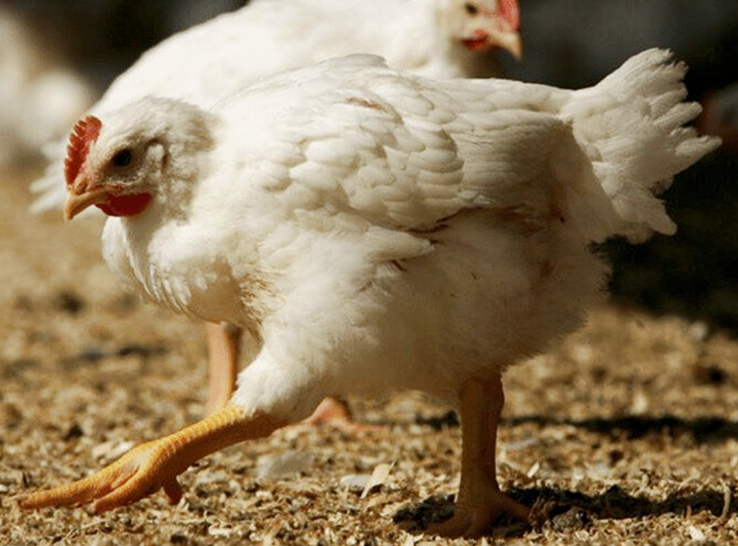
Breeding for increased appetites and fast growth has resulted in meatier birds. But these heavier birds experience health complications and decreased reproduction. Feed restrictions are used to maintain the lower bodyweight required for broiler breeders. University of Arkansas graduate student Allison Weaver is researching how feed restrictions affect bird welfare.

When Newcastle disease virus shows up in diagnostics, what does it mean?

What does it mean when Newcastle disease virus appears in diagnostic testing during respiratory disease investigations? According to Mark Jackwood, PhD, and Jose Linares, DVM, of Ceva Animal Health, the answer often has less to do with Newcastle itself and more to do with the complex mix of pathogens affecting commercial flocks.