
Eggshell translucency helps assess egg quality


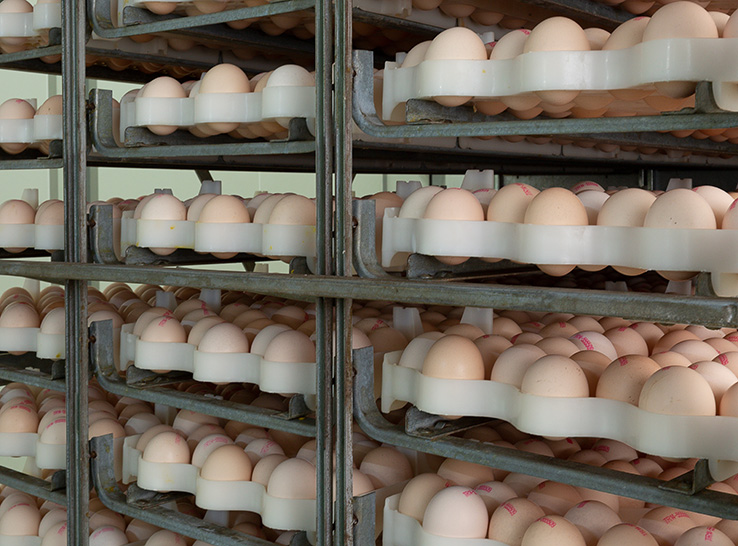
Eggshell translucency is linked to several hatching-egg quality parameters but not egg specific gravity or eggshell color, according to a recent study published in Poultry Science.


Eggshell translucency is linked to several hatching-egg quality parameters but not egg specific gravity or eggshell color, according to a recent study published in Poultry Science.
Novel disinfection strategies — electrostatic disinfection (ED) and cold fog (CF) disinfection — could help improve hatchability, reduce chronic respiratory disease (CRD) incidence and improve overall health outcomes for poultry, according to a recent Poultry Science report.
The first comprehensive literature review in 40 years presents up-to-date research and best practices to prevent floor egg laying.
Prolonged exposure to heat stress can lead to respiratory injury in broiler chickens, according to a recent study in China.
Without other stressors to skew results, altering stocking density (SD) within common ranges does not affect the well-being of layer chicks being transported from hatcheries to pullet-rearing operations.
Feeding olive oil byproducts such as olive pulp and olive pomace to broilers can improve several growth performance parameters, including nutrient digestibility, feed efficiency and growth, according to a review article published recently in Poultry Science.
Steam or steam plus forced air heat may become an approved method to supplement ventilation shutdown during emergency depopulation of cage-free aviary laying operations, according to researchers at Michigan State University and the University of Arkansas.
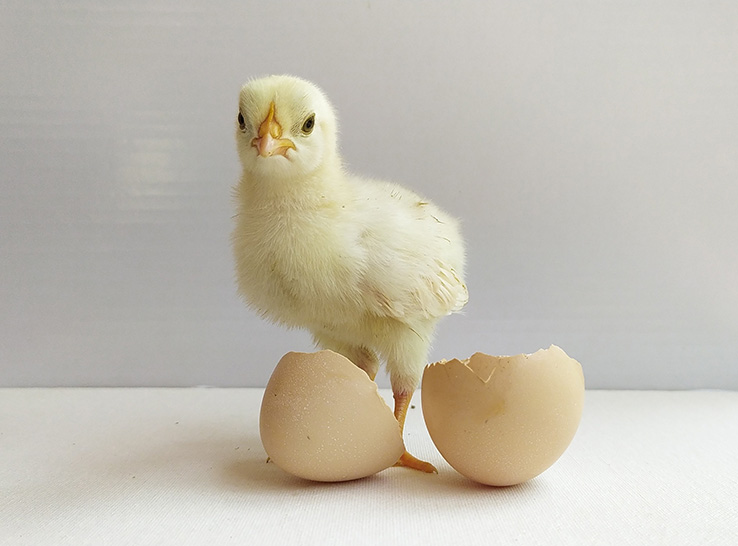
On-farm hatching of broilers may be a viable option to increase efficiency by increasing hatchability and reducing total mortality during rearing, according to scientists in Denmark.
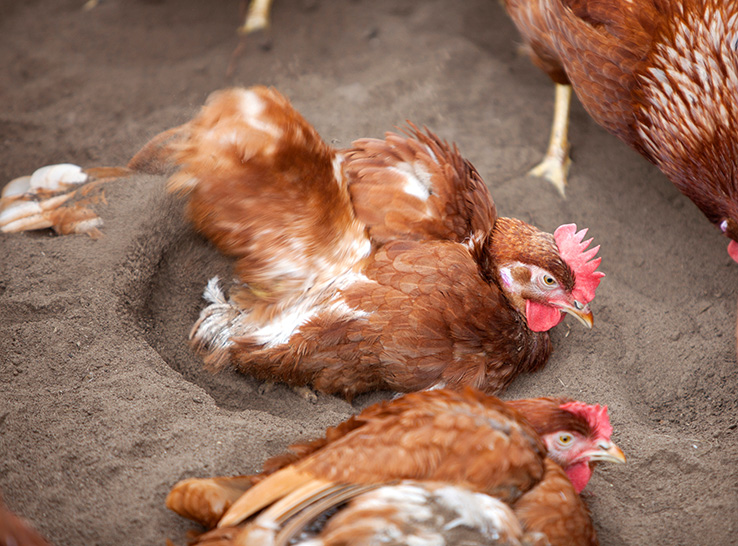
Newer systems for laying hens provide more space for them to express natural behaviors such as scratching, pecking and dustbathing, which could have some biological benefits.
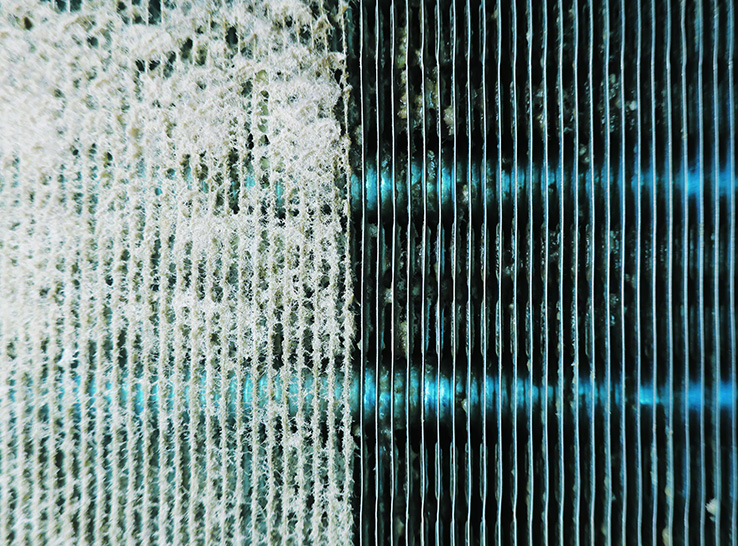
Poultry scientists are working to better understand the impacts of particulate matter (PM) on bird health and production.
Avian influenza outbreaks in the US are rare but, when the virus strikes, the results are devastating. The disease spreads rapidly, forcing producers to rely on quarantine-and-cull to limit the damage. A 2015 outbreak in the US led to an estimated loss of more than 48 million birds.
Commercial egg-laying operations can benefit from more effective and economical ways to depopulate flocks at the end-of-lay while improving worker performance and maintaining or improving animal welfare.