
Scientists call for revisions to EPA’s broiler-emissions models

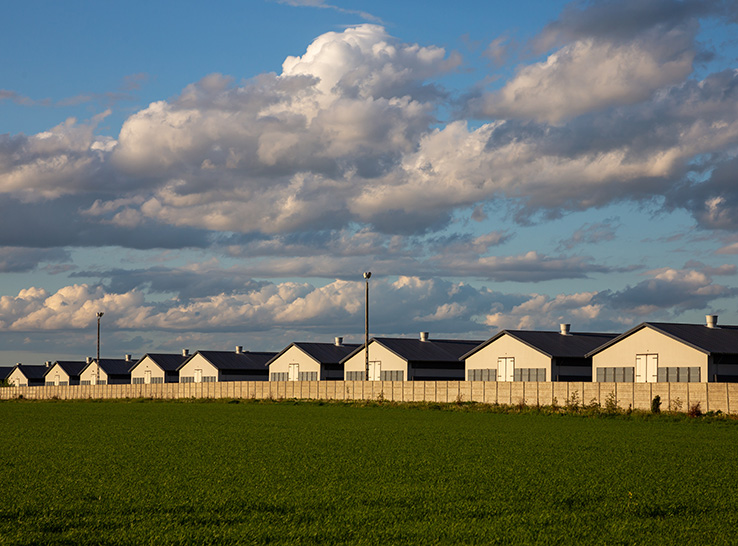
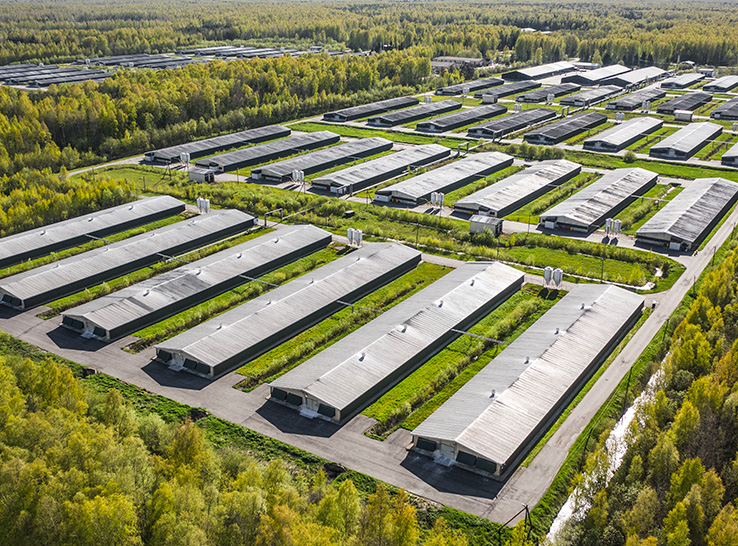
The US Environmental Protection Agency (EPA) wants to use updated computerized models to guide regulation of air pollution by animal feeding operations, including broiler chicken farms.


The US Environmental Protection Agency (EPA) wants to use updated computerized models to guide regulation of air pollution by animal feeding operations, including broiler chicken farms.
Preventing disease transmission between flocks is a major goal of the poultry industry. One threat to bird health is the protozoan Histomonas meleagridis, which causes a disease called histomoniasis.
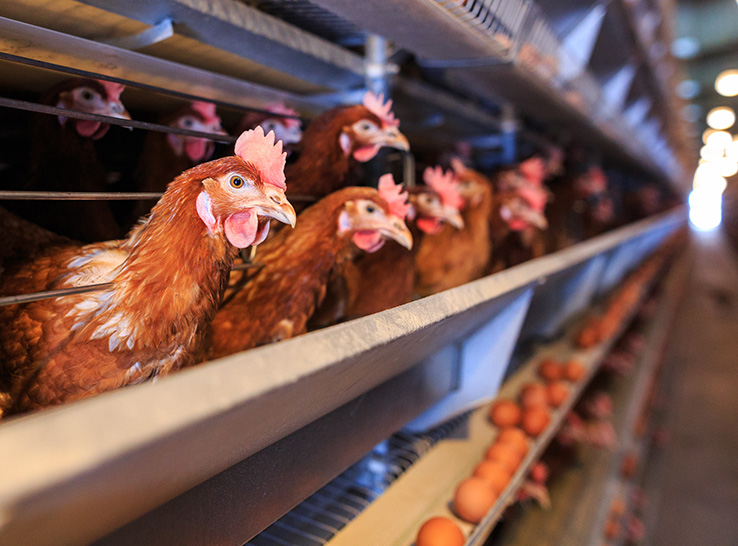
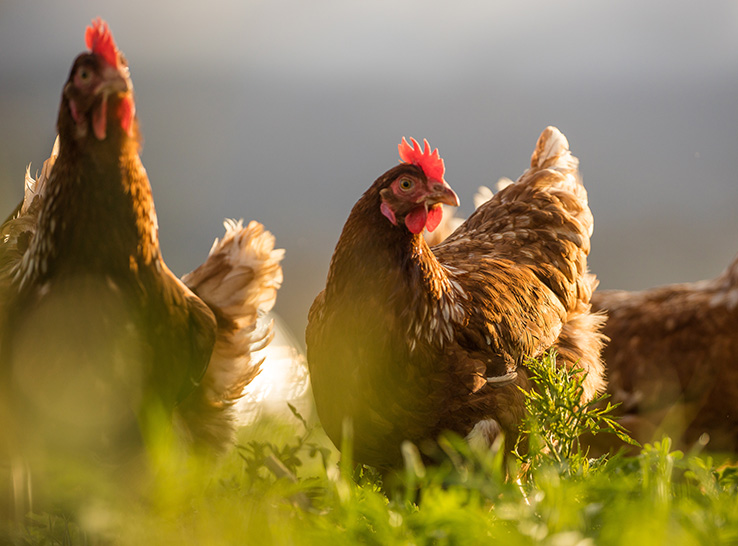
When humans domesticate and breed an animal, they tend to select for a very specific trait. In laying hens, artificial selection for high egg production has led to hens that can produce 320 eggs a year. But could artificial selection have unintentionally altered hen brain morphology?
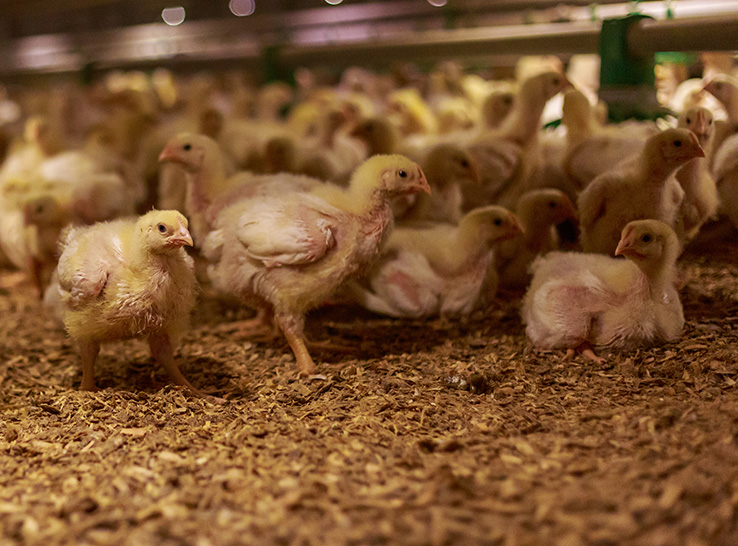
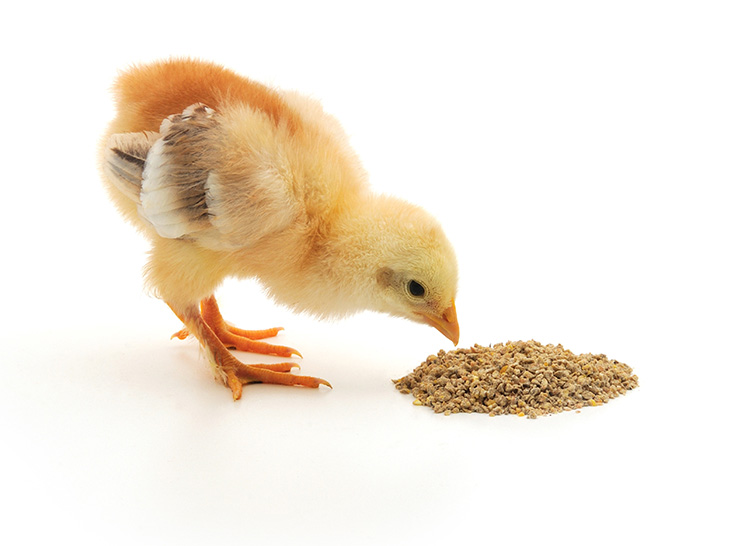
Broiler chicks can be provided between 1 to 4 hours of darkness a day without negative consequences, according to a recent study.
Researchers from Spain and the Netherlands performed a study to determine if adding a mineral and vitamin mix (AHS and Vitamin C) would have an effect on broiler performance in heat-stressed conditions.
As consumer demand for eggs from free-range chickens grows, a big question lingers: what is the best stocking density for chickens in free-range conditions?
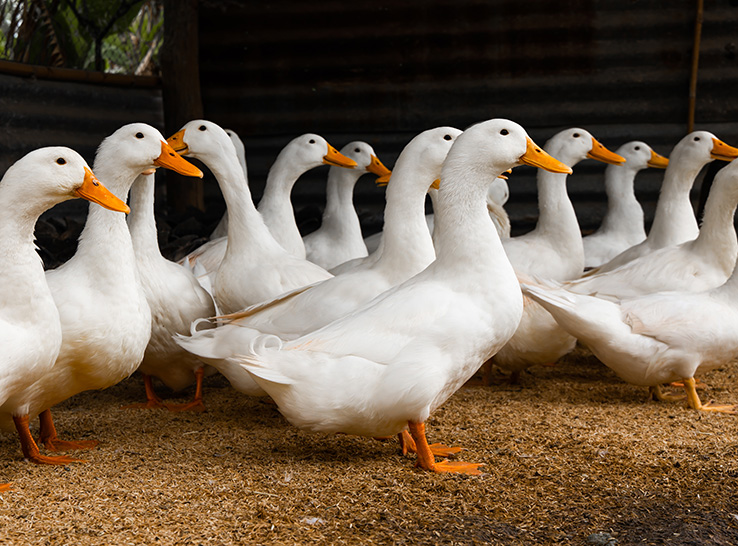
A new study published in Poultry Science shows that body weight, residual feed intake and feeding behavior traits are all highly heritable traits in Pekin ducks.
A new study led by poultry scientists at the University of Hohenheim suggests it is possible to reduce crude protein in broiler diets while still encouraging bird growth.
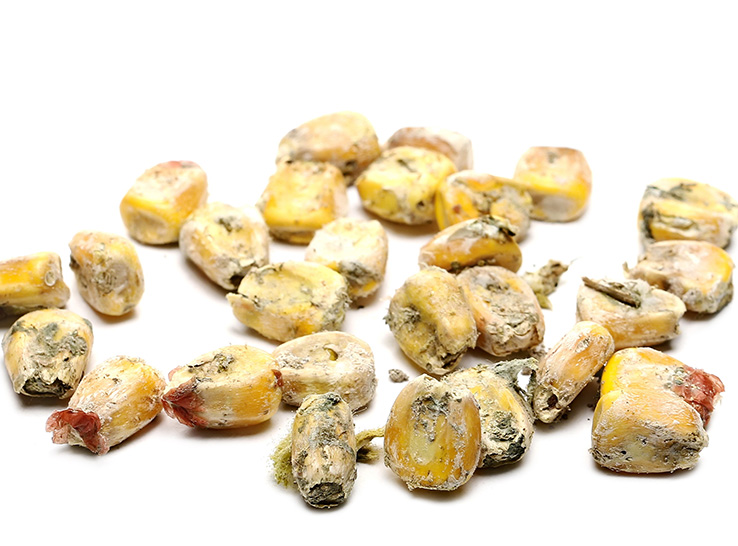
Poultry scientists are taking a close look at moldy corn in an effort to better protect animal and human health.