
Impact of dietary amino acid levels on body fat, laying-hen performance

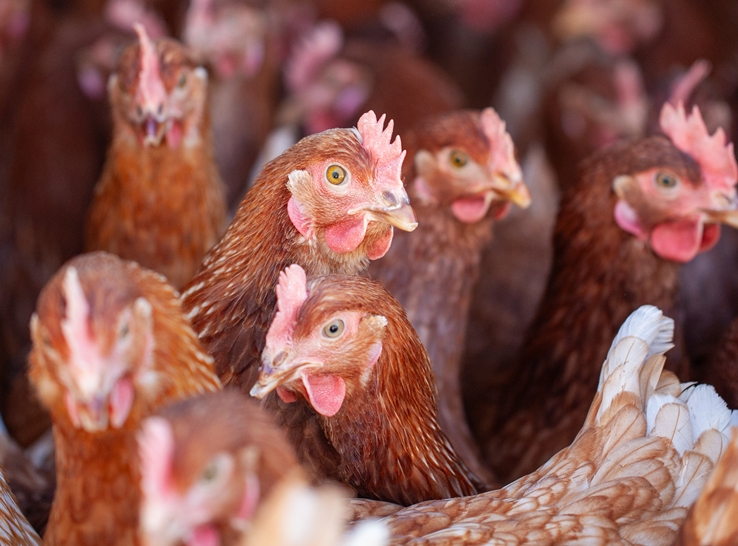
Amino acid requirements for laying hens are not well understood, primarily because data are lacking for the pullet stage. This gap is increasingly important as the table-egg industry wants to extend the hen’s life cycle to 100 weeks or more. Jo Ann Chew, graduate research assistant, University of Alberta, investigated how amino acid levels during rearing might impact body fat and the onset of lay.

Whole plant part phytogenics for inflammation balance

Gut inflammation is common throughout poultry production, but its effects are not always visible. Birds deal with stress every day through changes in environment, feed adjustments, handling and exposure to coccidiosis and other intestinal diseases. All of these changes trigger the immune system to send a response to manage the inflammation.

Chronic stress decreases neurogenesis in poultry

Poultry researchers use ‘affective valence’ — a positive or negative emotional response — as a measure of animal welfare. Tom Smulders, PhD, an evolutionary neurobiology researcher from Newcastle University, has studied whether hippocampal neurogenesis can be a marker of affective valence in poultry.