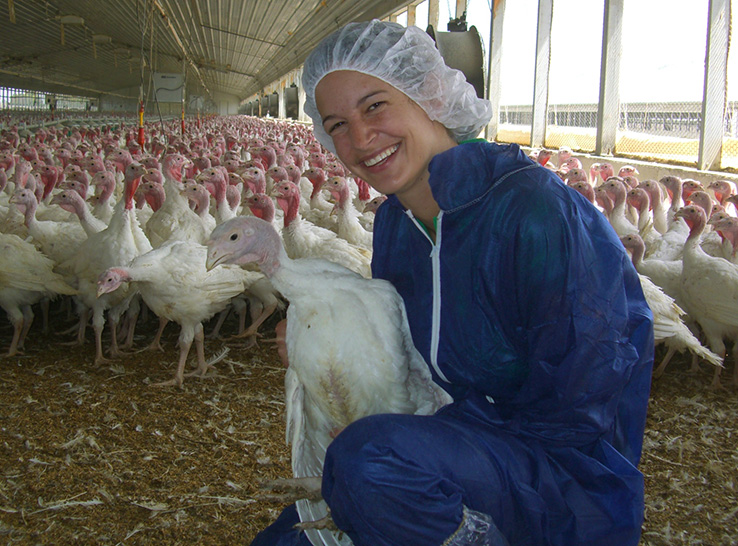




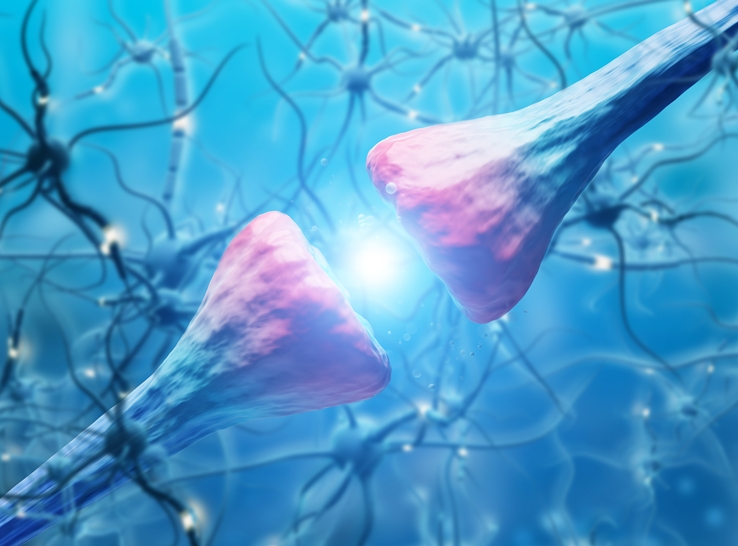
Assessing welfare in poultry is complex and should involve not just behavioral observations but also neurochemical measurements, according to Greg Fraley, PhD, associate professor in the Department of Animal Sciences at Purdue University.
Assessing welfare in poultry is complex and should involve not just behavioral observations but also neurochemical measurements, according to Greg Fraley, PhD, associate professor in the Department of Animal Sciences at Purdue University.
By Douglas L. Fulnechek, DVM
Public Health Veterinarian
GTS Health


By Douglas L. Fulnechek, DVM,
Senior Public Health Veterinarian,
GTS Health
By Ken Opengart, DVM, PhD, DACPV
3 Birds Consulting
Signal Mountain, Tennessee
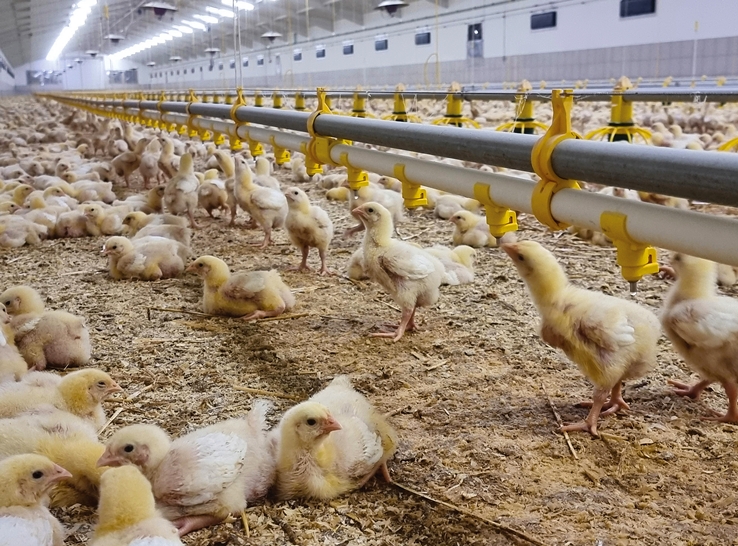
Water is one of the most important resources in broiler production, yet it can be easy to overlook until a problem arises. Birds depend on consistent access to clean, fresh water throughout the flock cycle, and the watering system must deliver the right amount at the right pressure and height.

By Douglas L. Fulnechek, DVM,
Senior Public Health Veterinarian,
GTS Health
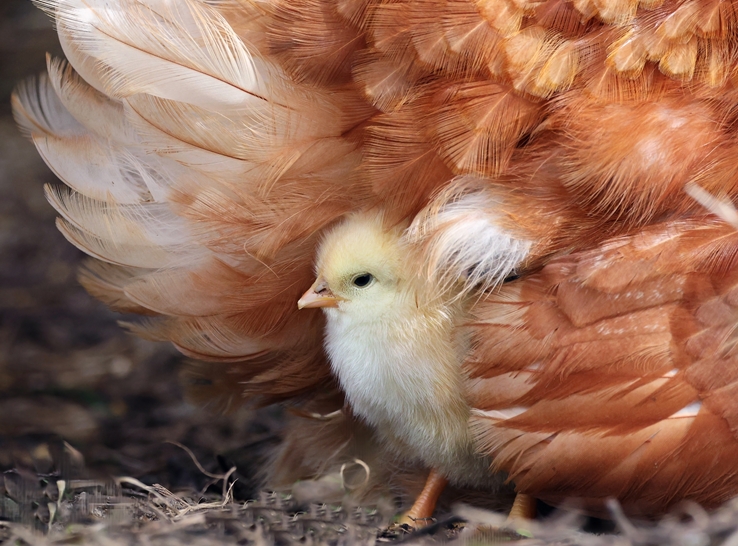
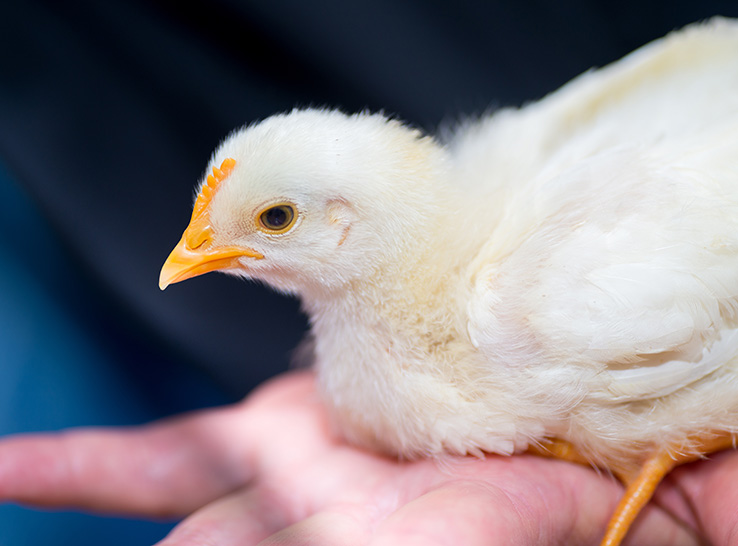
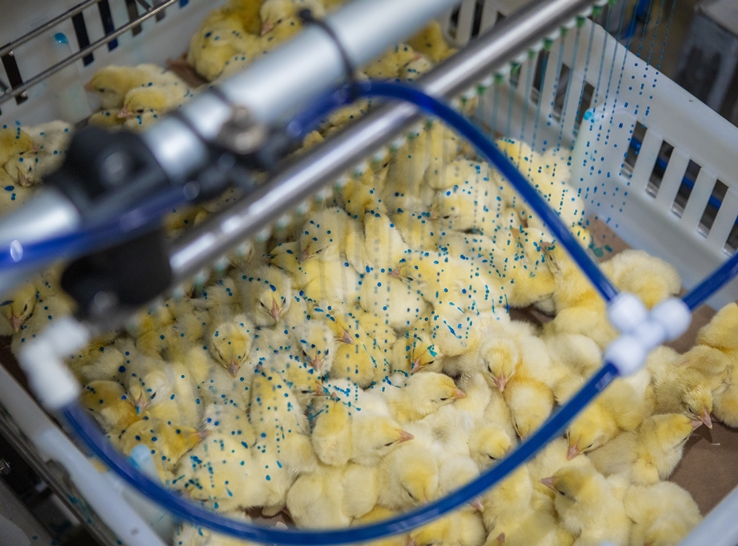
Modern commercial chicks hatch into a very different world than they would under natural conditions. According to Ivan Rychlik, DVM, researcher at the Czech Republic’s Veterinary Research Institute, that difference has major consequences for gut health, disease resistance and antibiotic use.
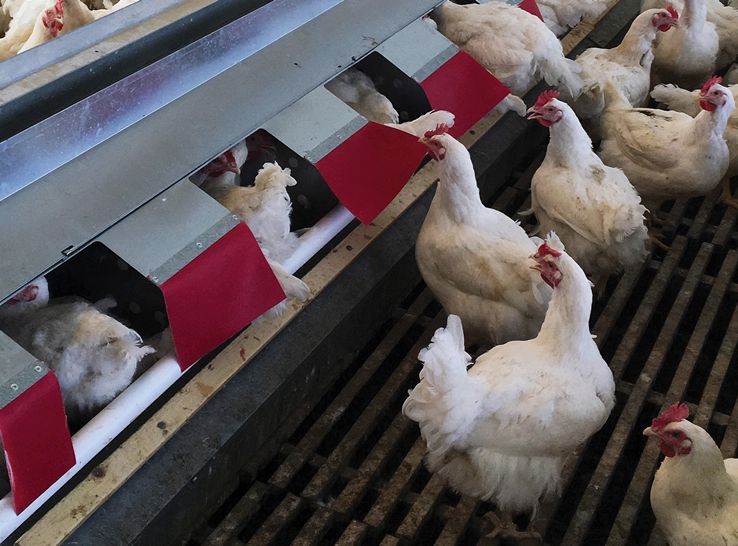
An innovation taking the broiler/breeder industry by storm is Comfort Nest™, a mechanical egg-laying system from VAL-CO that more than doubles the nest size to accommodate high-yield broiler-strain hens.
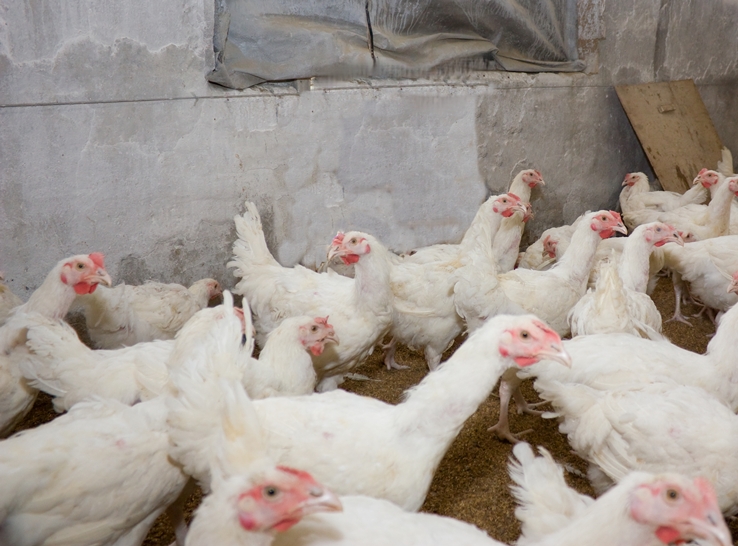
Broilers do not spread evenly across their environment. Some may cluster near a wall, equipment line, or other boundary, while other areas appear relatively unoccupied. Shawna Weimer, PhD, University of Arkansas, explores the behavior of wall hugging and what it means to broiler production.
Today’s cage-free laying systems provide extra vertical space for birds to be physically active, which can lead to variability in feed intake and body composition. If feed was restricted, would chickens change their activity levels, or would a hypothalamic response be triggered to increase feed intake?